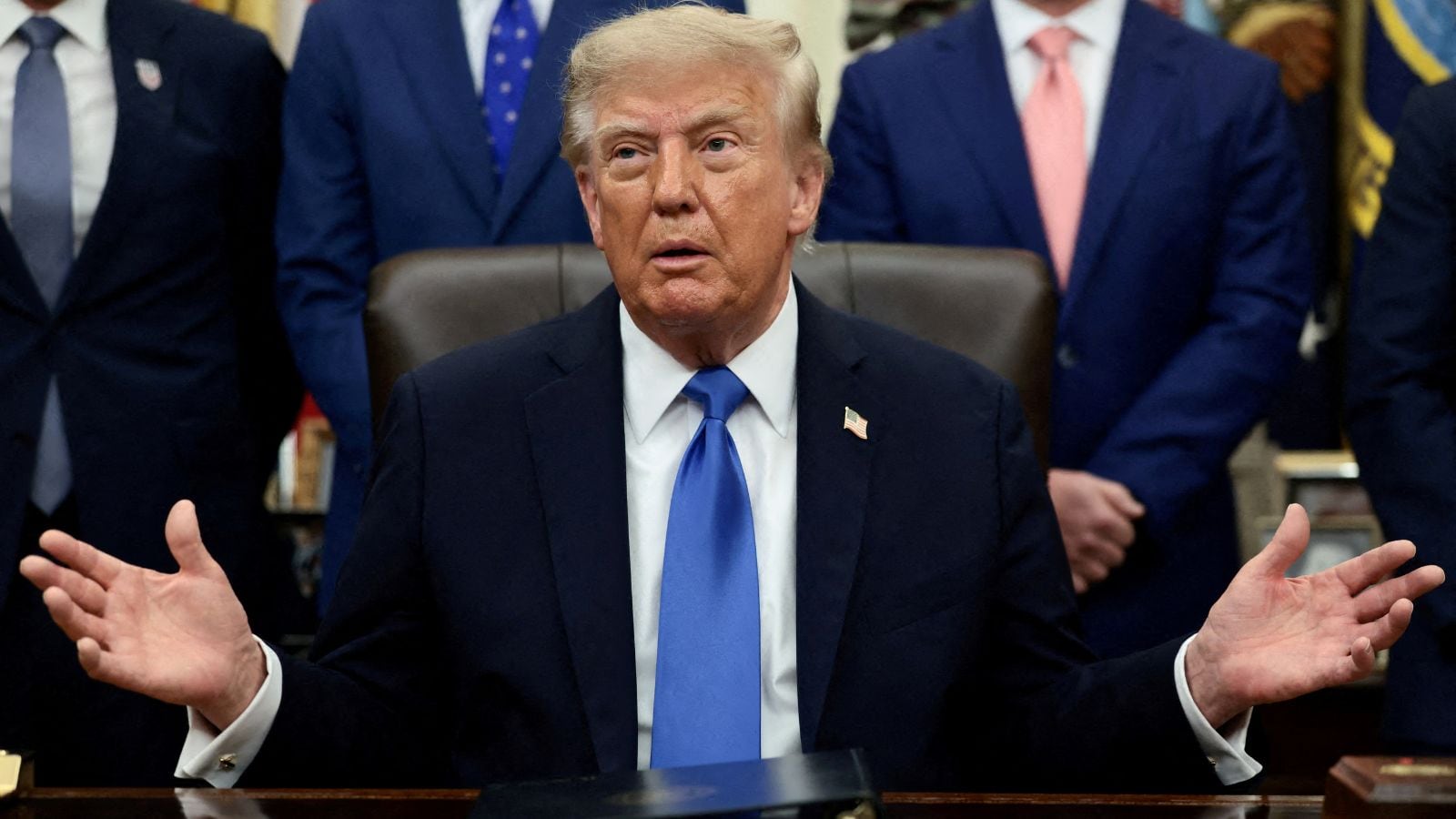
Every headline screams about the optics. Two leaders standing on the South Lawn, red carpets, twenty-one gun salutes, and carefully orchestrated handshakes meant to signal a thaw in the world's most critical bilateral relationship. The lazy consensus among mainstream analysts is that a high-profile state visit cures trade anxieties, sets a predictable baseline for multinational corporations, and signals an era of diplomatic stabilization.
It is a comforting narrative for people who trade on press releases rather than reality.
I have watched executives empty corporate treasuries into supply chain pivots and risk assessments based entirely on ceremonial theater. They mistake pageantry for policy. A White House state visit does not rewrite structural economic friction, nor does it dissolve deep-seated strategic competition. It is diplomatic theater, and treating it as a macroeconomic turning point is financial malpractice.
The Choreography of Complacency
When a summit gets scheduled, markets historically catch a brief tailwind. Tech stocks bounce, logistics firms sigh in relief, and pundits talk about guardrails.
This reaction stems from a fundamental misunderstanding of how modern superpower competition actually operates. Beijing and Washington are locked in a structural techno-economic race. No amount of fine dining or closed-door negotiation in the Oval Office alters the underlying math of semiconductor export controls, industrial subsidies, or national security vetting.
Let us look at the mechanics of these visits. Months of preliminary work by mid-level bureaucrats result in a handful of face-saving communiques. Both sides agree to keep communication channels open. They form a working group on commercial issues that meets twice a year and achieves precisely nothing. Meanwhile, industrial policy remains hawkish, tariffs stay glued to critical imports, and capital decoupling quietly accelerates behind the scenes.
The market treats these summits like a marriage counselor fixing a broken union. In truth, they are two opposing generals shaking hands at a neutral checkpoint before returning to their respective command bunkers.
Dismantling The Convergence Myth
The most pervasive misconception in international relations is that economic interdependence prevents geopolitical conflict. We saw this theory dominate policy circles for three decades. The logic was simple: if two nations buy enough of each other's debt and consumer goods, war becomes too expensive.
That theory died the moment security priorities eclipsed efficiency.
When national security trumps balance sheets, traditional trade logic shatters. Multinationals built sprawling, hyper-efficient global supply chains optimized exclusively for cost reduction. That era is over. The new metric is resilience, redundancy, and national control over critical nodes like advanced logic chips, rare earth processing, and pharmaceutical precursors.
A state visit cannot undo the hard laws of sovereign risk. When a board of directors looks at manufacturing exposure in regions vulnerable to geopolitical flashpoints, a smiling photo-op in Washington does not lower their insurance premiums. They still diversify. They still nearshore or friendshore. They do this because their fiduciary duty requires planning for worst-case scenarios, not betting on diplomatic vibes.
Where Everyone Gets The Leverage Wrong
Commentators love to talk about leverage. Who brings more cards to the table? Does slowing domestic growth force Beijing to compromise? Or does American political polarization give Beijing the upper hand?
Both questions miss the point. Both superpowers operate under heavy internal constraints that make grand bargains impossible.
In Washington, any administration that appears soft on the primary geopolitical competitor faces immediate bipartisan retaliation. The political cost of lifting tariffs or granting meaningful concessions is prohibitively high. In Beijing, the mandate is national self-reliance and technological autonomy. Yielding on core industrial policy to appease a foreign executive branch is a non-starter for a regime whose legitimacy rests on sovereignty and economic rise.
When neither side can afford to blink without looking weak domestically, a state visit becomes an exercise in managing friction rather than resolving it. The deliverables are administrative scraps.
The Playbook For Operators
If you run a business or manage capital based on the assumption that a political summit will reset the operating environment, you are flying blind. Stop waiting for a grand detente. It is not coming.
Instead, build your strategy around permanent friction.
First, bake structural decoupling into your long-term forecasting. Assume that cross-border data flows, technology sharing, and dual-use manufacturing will face tighter restrictions, regardless of who occupies the White House.
Second, reallocate capital toward operational redundancy over cost arbitrage. The pennies you save by keeping a single point of failure in a volatile region will evaporate the moment regulatory or geopolitical shocks hit your sector.
Third, ignore the punditry surrounding diplomatic calendars. When you see breathless coverage of upcoming summits, look at the underlying legislative and regulatory dockets instead. That is where actual policy is forged.
The red carpets will roll out. The cameras will flash. The pundits will declare a new dawn for bilateral relations. And the structural collision course between the world's two largest economies will continue uninterrupted. Plan accordingly. Stop trading the theater. Trade the reality.