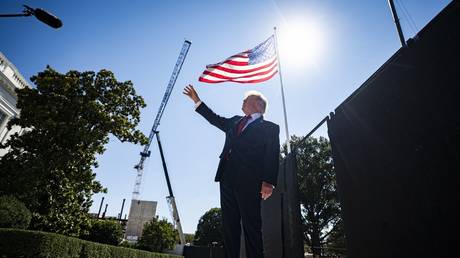
When a sitting president decides to renovate the most famous residence in the country, nobody expects a quiet weekend DIY project. But the legal chaos surrounding a high-profile expansion plan at 1600 Pennsylvania Avenue turned into an institutional showdown. The courts recently cleared a path for the construction to push forward, ignoring last-minute roadblocks thrown up by preservation groups. Most media coverage completely misses the deeper structural precedent this dispute establishes for executive authority and federal property modifications.
You might wonder how a building project sparks a federal lawsuit in the first place. Preservationists and historical watchdog organizations argued that sweeping architectural alterations require extensive public review processes under federal preservation statutes. They wanted an immediate halt to protect the historic integrity of the iconic grounds. The administration countered with arguments anchored in executive control and operational necessity for hosting major international events.
The timeline leading up to this judicial green light shows how fast executive infrastructure plans can move when legal barriers are swept aside. Lower courts wrestled with injunction requests, but appellate decisions quickly favored the White House's broad administrative latitude. When the highest court in the land opted not to block the heavy machinery, it signaled a stark reality. Presidents retain massive leeway when managing internal structural updates on federal grounds, even amid fierce opposition.
Most people misunderstand the actual scope of oversight governing the executive mansion. People assume strict local zoning laws or municipal historic boards dictate every nail driven into the White House. They don't. The federal government exercises unique sovereignty over the property, creating a complex web of exemptions that bypass traditional urban planning hurdles. When push comes to shove, executive privilege often trumps local preservation guidelines.
This dynamic leaves heritage advocates scrambling for new strategies. Relying on emergency injunctions to stop executive construction projects rarely works out the way activists plan. The judiciary usually hesitates to micromanage daily administrative decisions or interior upgrades ordered by the executive branch. If you want to challenge future architectural overhauls, waiting for bulldozers to arrive on site guarantees a losing battle.
Building modern amenities inside a two-century-old historical landmark forces a difficult compromise between past preservation and present utility. Modern heads of state require massive spaces for diplomatic summits that simply didn't exist when the original blueprints were drawn. Balancing structural evolution with historical reverence remains a messy, contested process. The dust might be settling on this specific courtroom drama, but the underlying tension over who controls the physical footprint of the presidency will flare up again soon.
Take a closer look at how federal property laws interact with executive mandates before assuming a lawsuit can halt federal construction. Track ongoing updates through institutional watchdog reports to understand how future administrations might weaponize these exact same legal precedents.