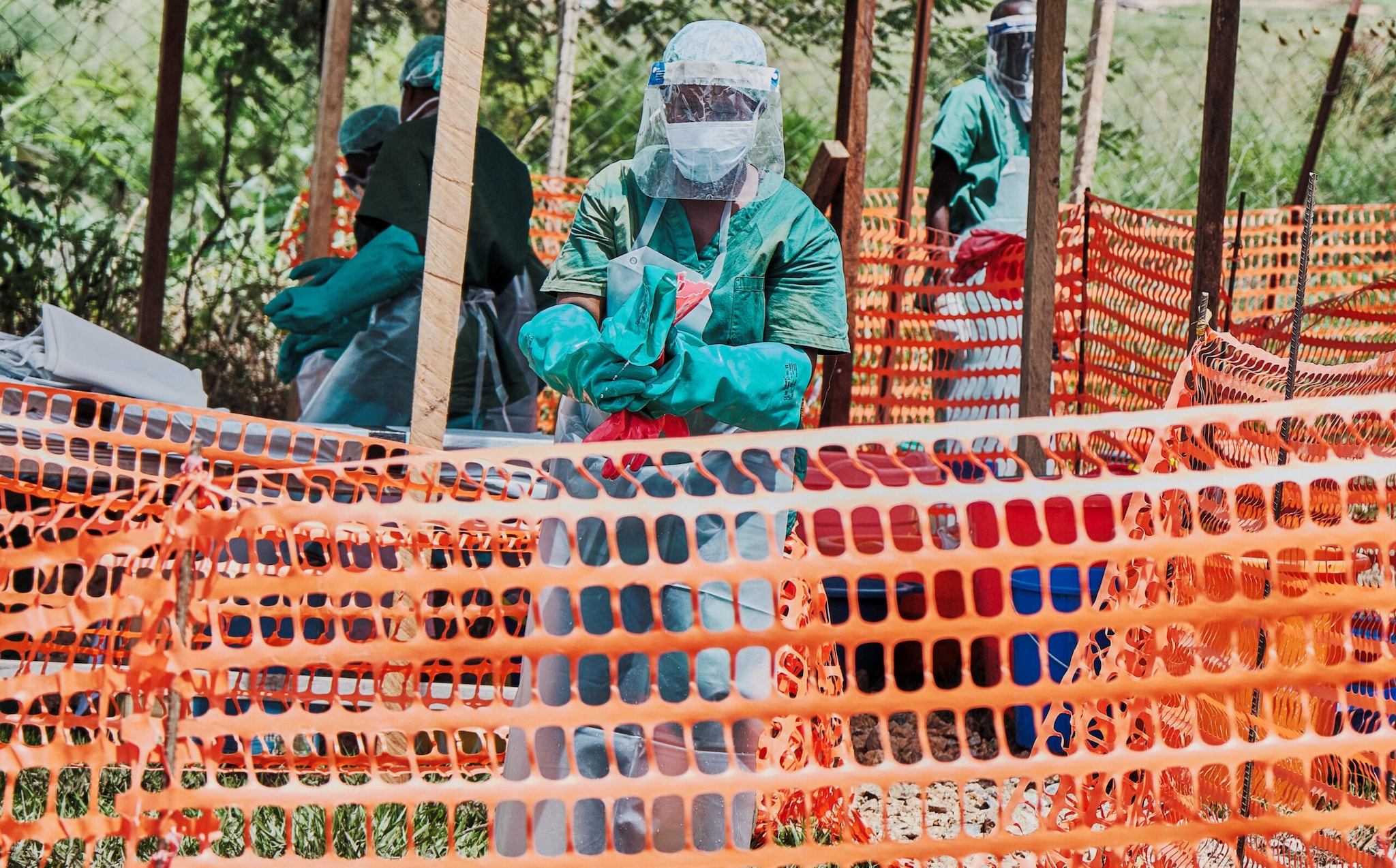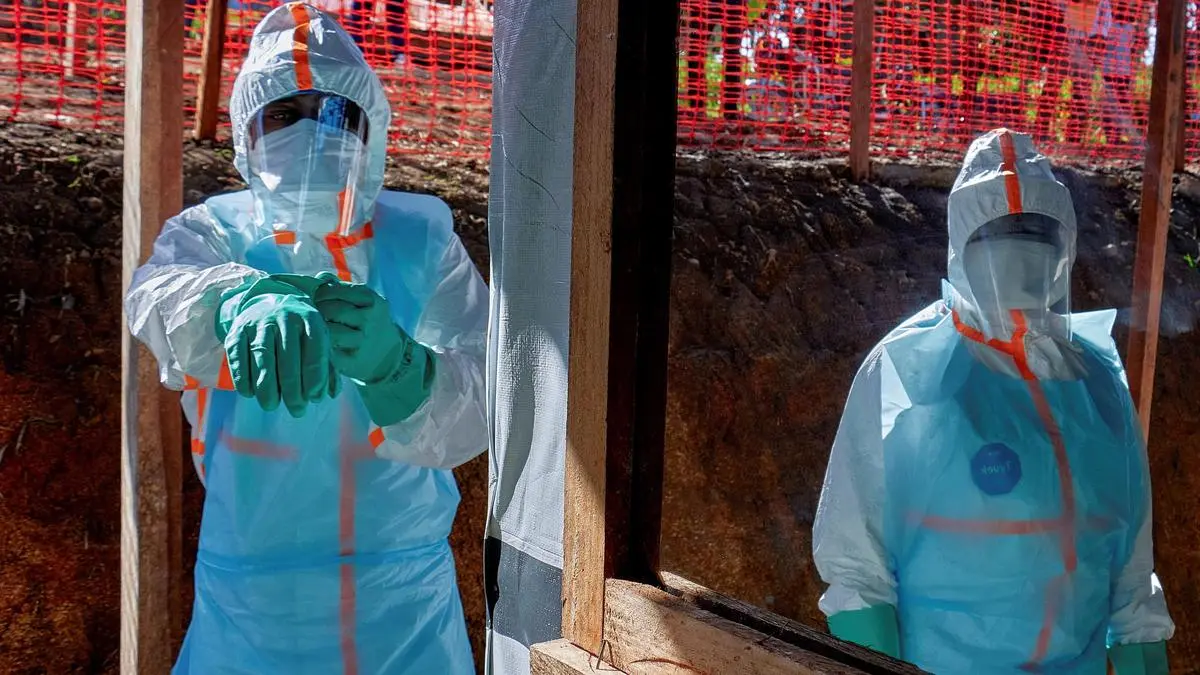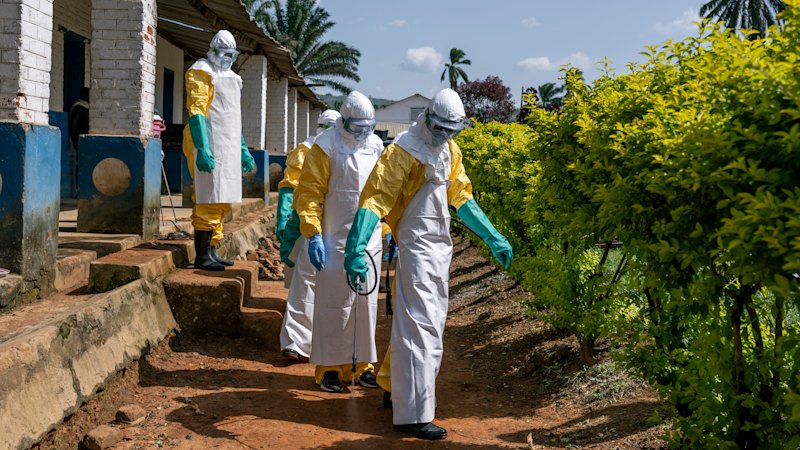
Every time an outbreak hits central Africa, a familiar wave of panic ripples across the globe. The word "Ebola" itself seems to trigger an immediate, visceral fear. When news broke that Brazil and Italy started isolating and monitoring patients arriving from Africa, the internet did what it always does. It jumped straight to the worst-case scenario.
But if you actually talk to infectious disease specialists, you get a completely different story. They aren't panicking. Honestly, you shouldn't be either.
The reality behind these recent scares reveals a massive gap between public perception and actual epidemiological risk. While global health systems must remain vigilant, the chance of a runaway global pandemic from these specific cases is incredibly low. Let's look at what is actually happening on the ground and why our collective anxiety is focused on the wrong things.
The False Alarms in Brazil and Italy
Within a matter of days, border control protocols were triggered on two different continents. In Brazil, health authorities flagged two separate travelers. The first was a 37-year-old man from the Democratic Republic of the Congo (DRC) who arrived in Sao Paulo with a severe fever. He was quickly isolated and intubated due to his serious clinical condition. The second was a traveler in Rio de Janeiro coming from Uganda, suffering from chills, cough, and diarrhea.
Meanwhile, across the Atlantic, Italy activated its emergency protocol in Sardinia's capital, Cagliari. A man who flew back from the DRC on May 30 showed symptoms that matched the broad criteria for an Ebola screening.
The headlines immediately blared warnings about the virus spreading abroad. But look closer at the actual diagnostic results that came back just hours later:
- The Italian patient tested negative almost immediately, and Italy's health ministry confirmed the risk to the public remains very low.
- The Rio de Janeiro patient tested positive for malaria.
- The Sao Paulo patient tested positive for meningitis, and initial tests for Ebola came back negative.
This is exactly how the system is supposed to work. Malaria and meningitis are highly dangerous, but they aren't Ebola. Public health agencies use a wide net. Anyone coming from an active outbreak zone with a fever gets isolated first and asked questions later.
The Reality of the Bundibugyo Strain
The current crisis in the DRC and Uganda isn't caused by the infamous Zaire strain of the virus, which historically carried mortality rates up to 90%. This current 2026 outbreak involves the Bundibugyo virus, a much rarer strain.
World Health Organization (WHO) Director-General Tedros Adhanom Ghebreyesus recently highlighted that patients are successfully recovering in specialized treatment centers, like the newly opened facility in Bunia, Congo. Doctors on the ground report that this strain isn't as complex as those dealt with in the past. Symptomatic, supportive care is yielding real recoveries.
But there's a catch. Unlike the Zaire strain, we don't have an approved vaccine or a specific therapeutic drug for the Bundibugyo virus. The response relies entirely on old-school public health work: isolation, aggressive contact tracing, strict infection prevention, and supportive clinical care.
Why Global Travel Doesn't Equal a Global Outbreak
People often assume that because air travel can move a person across the world in 24 hours, a virus can do the same. With respiratory bugs like influenza or Covid-19, that's true. Those viruses spread through asymptomatic people breathing the same air in a crowded cabin.
Ebola simply doesn't work that way.
An infected person isn't contagious until they show severe symptoms. You cannot catch it from someone who feels fine. Once a patient becomes highly symptomatic, they are usually too weak to travel. If they do manage to board a plane, the transmission requires direct contact with bodily fluids like blood, vomit, or sweat. It's a terrible, messy way for a virus to spread, which makes it exceptionally poor at causing casual infections in an airport terminal or a city subway.
The real danger isn't that a traveler will spark a massive outbreak in Rome or Rio. The danger belongs to the frontline healthcare workers who treat these patients without knowing their diagnosis, or family members performing traditional burial rites in the outbreak zones.
What Governments Are Actually Doing Right Now
The real story isn't the virus itself; it's the intense bureaucratic defensive wall built around international travel. Countries aren't leaving this to chance.
Italy's health ministry implemented a strict mandatory surveillance plan. Any organization employing medical or non-medical personnel in the affected zones must notify the government 48 hours before a worker returns. These workers must carry printed medical questionnaires, track their temperatures during stopovers, and undergo health checks by Maritime, Air, and Border Health Offices (USMAF) immediately upon landing. If a passenger shows symptoms mid-flight, the plane is diverted to specific designated health airports like Fiumicino in Rome or Malpensa in Milan.
The US Centers for Disease Control and Prevention (CDC) similarly implemented enhanced travel screenings and entry restrictions for certain travelers coming from the DRC, Uganda, or South Sudan. Travelers are tracked and monitored for 21 days after arrival.
This level of coordination makes a surprise outbreak in a developed country highly unlikely. The friction in global transit is specifically designed to catch the virus at the gate.
Where Your Attention Should Actually Be
Instead of worrying about isolated travelers testing positive for malaria in Brazil, we should look at the systemic issues keeping the outbreak alive in Central Africa.
The Africa Centres for Disease Control and Prevention noted that hundreds of suspected cases are still being investigated. The virus is moving fast because local health systems are strained, and deep-seated community mistrust has led to attacks on medical centers. People are terrified of the stringent, sterile medical protocols that prevent them from burying their loved ones according to local customs.
If you want to protect global health, the focus must shift from closing borders to funding community-led health interventions in the Ituri province. Containment at the source is the only strategy that actually works.
If you travel frequently, the best thing you can do is stay informed without feeding the panic. Check travel advisories from the WHO or CDC before visiting East or Central Africa. If you return from an affected region, monitor your temperature for 21 days. If you feel sick, don't just walk into a random clinic. Call ahead, state your travel history clearly, and let public health professionals handle the rest safely.