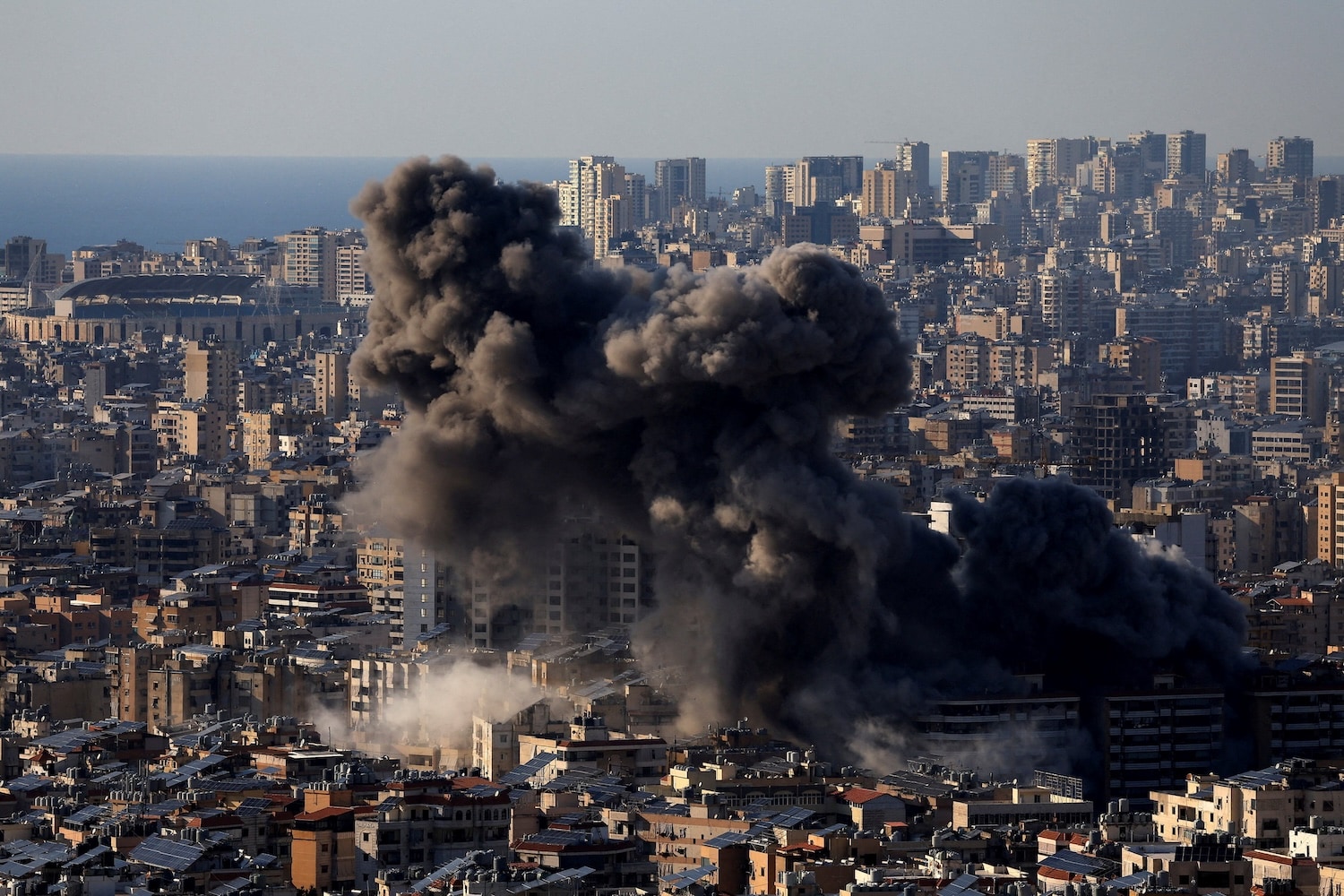
The International Monetary Fund isn't known for being dramatic. They usually talk in spreadsheets and quiet warnings. But right now, the IMF is ringing every alarm bell they've got about the conflict in West Asia. If you think a war thousands of miles away won't touch your bank account, you're wrong. We aren't just looking at a regional tragedy. We're looking at a massive threat to the global economy that could drive up your grocery bills and stall the world's growth just as we were starting to recover from the last few years of chaos.
The numbers are grim. The IMF's latest outlook suggests that a wider escalation could shave significant points off global GDP. That isn't just a statistic. It means fewer jobs, higher interest rates, and a "higher for longer" inflation cycle that none of us want to deal with again.
The Oil Factor is the Real Trigger
Everything starts with energy. West Asia is the heart of global oil production. When things go south there, oil prices don't just "creep up." They jump.
History shows us that even the threat of supply disruptions in the Strait of Hormuz can send Brent crude soaring toward $100 a barrel. We've seen this movie before. High oil prices act like a hidden tax on everyone. You pay more at the pump. Shipping companies pay more to move goods. Farmers pay more for fertilizer and fuel. In the end, you're the one paying $8 for a carton of eggs.
The IMF notes that a 10% increase in oil prices usually leads to a significant spike in global inflation. It's a domino effect. Central banks, like the Federal Reserve or the European Central Bank, respond to that inflation by keeping interest rates high. That makes your mortgage more expensive. It makes it harder for small businesses to get loans. It's a cycle that chokes off growth before it even has a chance to start.
Trade Routes and the Shipping Nightmare
The Red Sea is one of the most vital arteries of global trade. About 12% of all global trade passes through it. Because of the current instability, many of the world's largest shipping firms are diverting vessels around the Cape of Good Hope in South Africa.
This isn't a small detour. It adds about 10 to 14 days to a journey. It burns way more fuel. It ties up ships that could be elsewhere, creating a shortage of available cargo space.
When shipping costs go up, manufacturers don't just eat those costs. They pass them to you. We're seeing "ghosts of the supply chain crisis" return. If the West Asia war escalates, we aren't just looking at delayed electronics. We're looking at a structural increase in the cost of moving everything from grain to car parts. This is exactly what the IMF means when they talk about "derailing" the recovery. We're fragile right now. We don't have the cushion we had five years ago.
Why the IMF is Particularly Worried This Time
Usually, the world can handle one regional shock. But the IMF's concern stems from the fact that this is happening while the global economy is already on shaky ground.
Most countries are still struggling with high debt levels from the pandemic. China's economy isn't the engine of growth it used to be. Europe is barely dodging a recession. If you throw a massive energy shock and trade disruption into that mix, you get stagflation. That's the nightmare scenario where prices keep rising but the economy stops growing.
The IMF points out that low-income countries will be hit the hardest. These nations rely on food imports. When shipping costs rise and the dollar gets stronger—which usually happens during global instability—these countries can't afford to feed their people. It's a recipe for wider social unrest, which only feeds back into global economic instability. It's a nasty loop.
The Misconception About Regional Containment
A lot of people think that as long as the war stays "over there," the rest of us will be fine. That's a dangerous misunderstanding of how the modern world works.
Markets run on sentiment. When investors get scared, they pull money out of "risky" assets and dump it into gold or US Treasuries. This flight to safety sucks capital out of emerging markets. It stops investment in new technologies and infrastructure.
The IMF's managing director, Kristalina Georgieva, has been blunt about this. Uncertainty is the enemy of growth. If businesses don't know what energy prices will look like in six months, they don't hire. They don't expand. They sit on their cash. That hesitation is what drags down global growth. We're seeing it happen in real-time.
Gold and the Strength of the Dollar
During times like this, the US dollar usually gets stronger. While that might sound good if you're traveling abroad, it's actually a problem for the global economy. Most commodities, including oil, are priced in dollars. When the dollar goes up, oil becomes even more expensive for countries using other currencies.
It's a double whammy. You have the price of oil rising because of the war, and then you have the price of oil rising again because the currency used to buy it is getting more expensive. This hits Europe and Asia particularly hard.
Gold has also been hitting record highs. That’s a clear sign that the big money doesn't trust the "stability" we're seeing. They're betting on chaos. When the smartest people in the room are buying gold bars, it's time to pay attention to the IMF's warnings.
Preparing for the Economic Aftershocks
You can't control what happens in West Asia, but you can control how you handle the fallout. The IMF's warning is a signal to stop expecting "easy money" to return anytime soon.
Expect interest rates to stay higher than you'd like. The hope that we'd see a rapid series of rate cuts this year is fading because central banks are terrified of a new inflation spike. If you're planning a big purchase that requires a loan, do the math based on today's rates, not what you hope they'll be in two years.
Diversify where you can. Inflation-resistant assets are becoming more important. This isn't just about stocks and bonds. It's about understanding that the cost of living is likely to stay volatile.
Review your household or business budget for "energy sensitivity." If energy prices jump 20%, what does that do to your bottom line? Having a plan for that scenario isn't being pessimistic; it's being prepared. The IMF is telling us the world is becoming more fragmented and dangerous. Listening to them now is better than being blindsided later. Keep your debt low and your eyes on the news. The era of predictable, cheap global trade is on pause, and we have to adapt to that reality immediately.