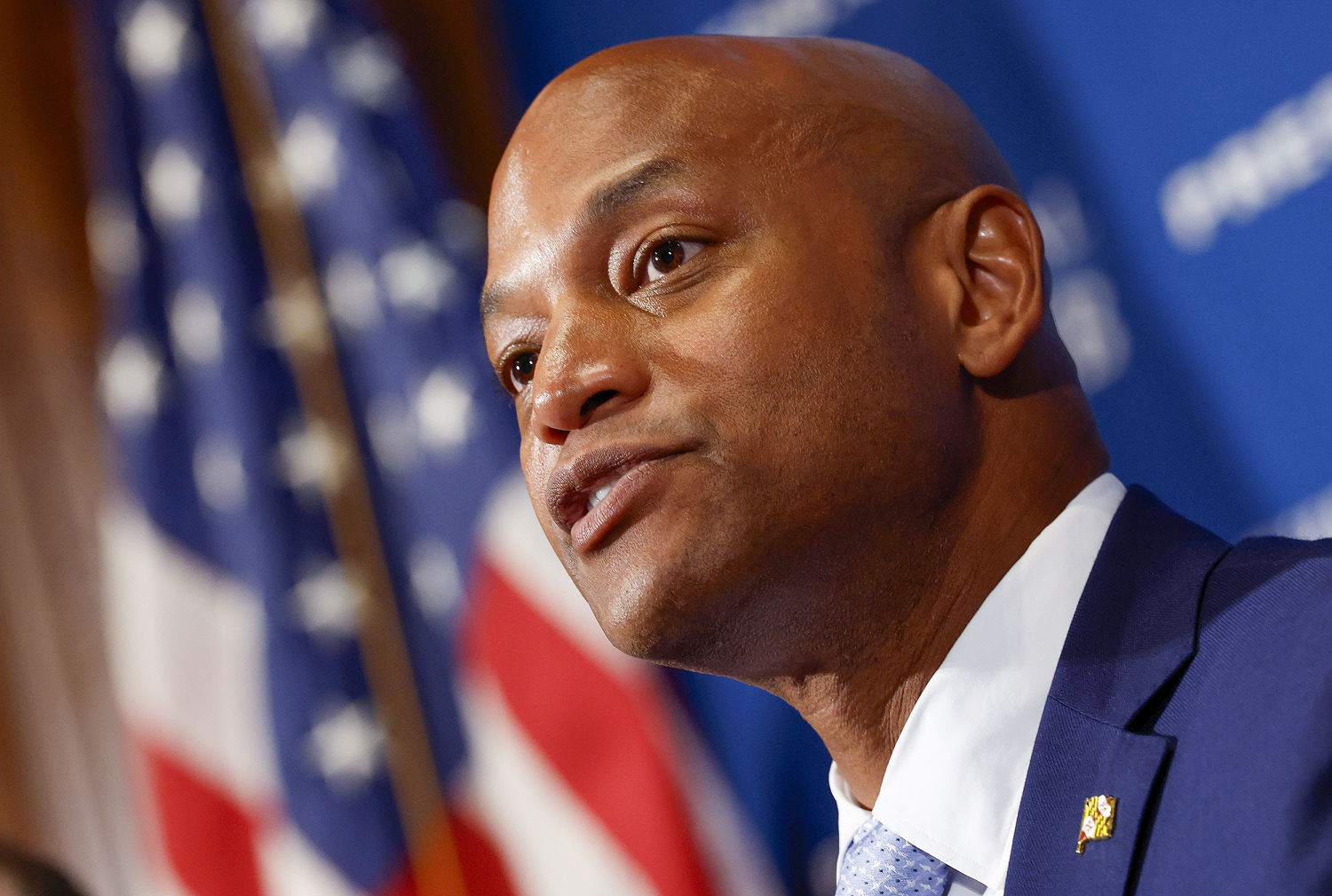
Wes Moore isn't hiding his ambitions. Standing before an energetic crowd in Prince George's County to launch his re-election campaign, the Maryland Governor made it clear that his political horizon extends far beyond Annapolis. With national speculation intensely tracking his potential 2028 presidential aspirations, Moore finds himself playing a high-stakes double game. He has to convince Maryland voters he is fully committed to their next four years while simultaneously building the national profile required for a prime-time White House run.
It is a delicate balancing act. If he stumbles in his November 2026 re-election bid against Republican nominee Dan Cox—a rematch of their 2022 face-off—the 2028 dream dies instantly. To survive and thrive, Moore must navigate a complex landscape of local economic anxieties, shifting voting rights battles, and aggressive posturing against the federal administration.
The Friction Between Annapolis and Washington
Moore's campaign launch wasn't just a recap of local wins. It was a direct salvo aimed at the White House. Ever since Donald Trump took office, the relationship between Maryland's executive mansion and the federal government has been combative. Trump previously labeled Moore "not worthy" to attend an annual White House governors' dinner. Moore's response? "I will work with anybody, but I will bow to nobody."
That independent streak is a deliberate branding choice. Moore is positioning himself as a blue-state bulwark against conservative federal policies. This strategy became even more pronounced following a recent Supreme Court decision that narrowed the anti-discrimination protections of the Voting Rights Act. Moore, who previously signed the state-level Maryland Voting Rights Act, called the ruling a "deliberate attempt in broad daylight" to alter election outcomes.
This federal friction isn't just rhetoric; it has real policy consequences. Maryland lawmakers recently attempted to redraw the state's congressional districts to potentially eliminate the state's lone Republican congressional seat before the 2028 cycle. While state Senate President Bill Ferguson blocked the immediate push in mid-April due to concerns over protecting existing Democratic seats, the legislature plans to revive the effort. They are eyeing a state constitutional amendment that could go directly to voters.
The Local Vulnerabilities Threatening the National Narrative
While Moore's national team points to macro victories, local voters are feeling an economic squeeze. This divergence shows up clearly in the data. The Moore-Miller campaign reports over $13.7 million raised this cycle, entering the general election with more than $6.5 million in cash on hand. Yet despite this massive financial advantage and a weak Republican primary field that easily handed Dan Cox the nomination, Moore's internal approval numbers have shown a steady decline.
The culprit isn't a lack of progressive achievements. It is daily affordability. Voters are frustrated by rising vehicle registration fees, sticky inflation, and a general distrust of government performance at all levels. Republicans have successfully tapped into this discontent, hammering Moore's administration for shifting costs onto working families.
Moore inherited a multi-billion dollar structural deficit, a reality he frequently uses to defend his record. He managed to sign a budget that closed a $1.5 billion deficit without raising broad-based income taxes, attributing the fix to strict fiscal discipline. However, independent critics and fiscal hawks accuse the administration of kicking the can down the road, warning that structural spending still outpaces the state's actual economic growth.
The Policy Record Moore Is Betting On
To counter the economic headwinds, Moore is leaning heavily on a specific set of legislative and economic data points from his first term.
- Public Safety: The administration poured more than $124 million into the State Aid for Police Protection Program, including $50 million targeted directly at Baltimore City law enforcement. Campaign data indicates homicides dropped 44% statewide and non-fatal shootings fell 40% during his tenure.
- Education Funding: The proposed fiscal year 2027 budget includes a historic $10.2 billion investment in K-12 education, pushing per-pupil funding to $11,811. This spending, paired with the Maryland Educator Shortage Reduction Act, helped slash the state's teacher vacancy rate by 58%.
- Economic Development: Moore accelerated the state's minimum wage increase to $15 an hour and points to the creation of over 55,000 new businesses as proof of a friendlier private sector environment.
These metrics form the baseline of his pitch to Marylanders. He needs these numbers to hold steady through November to protect his home flank.
The Next Critical Steps for the Moore Campaign
To secure a second term and keep his national trajectory viable, Moore must execute a clear three-part strategy over the coming months.
First, the campaign must aggressively litigate the rematch with Dan Cox. By framing Cox as an ideological extremist out of touch with Maryland's moderate-to-liberal electorate, Moore can consolidate independent voters who might otherwise be frustrated by local fee increases.
Second, the administration has to show visible, concrete progress on major infrastructure projects. Rebuilding the Francis Scott Key Bridge and resolving delays on the automated Purple Line transit project are non-negotiable milestones. Voters need to see cranes moving and projects finishing to believe the economic growth narrative.
Finally, Moore must deliver on his public promise to serve out all four years of his second term if re-elected. When pressed by reporters at a primary polling site, he explicitly stated he would serve his full term. Squaring that promise with a potential 2028 presidential primary run will require flawless political choreography. He has to prove that executing his vision for Maryland directly mirrors the leadership style he intends to offer the rest of the country.
For a deeper look into how the governor is balancing state leadership with federal battles, watch this on-the-ground report of Gov. Wes Moore speaking ahead of the Maryland Primary. This coverage captures his immediate responses to reporters regarding his commitment to finishing his term amidst growing national speculation.