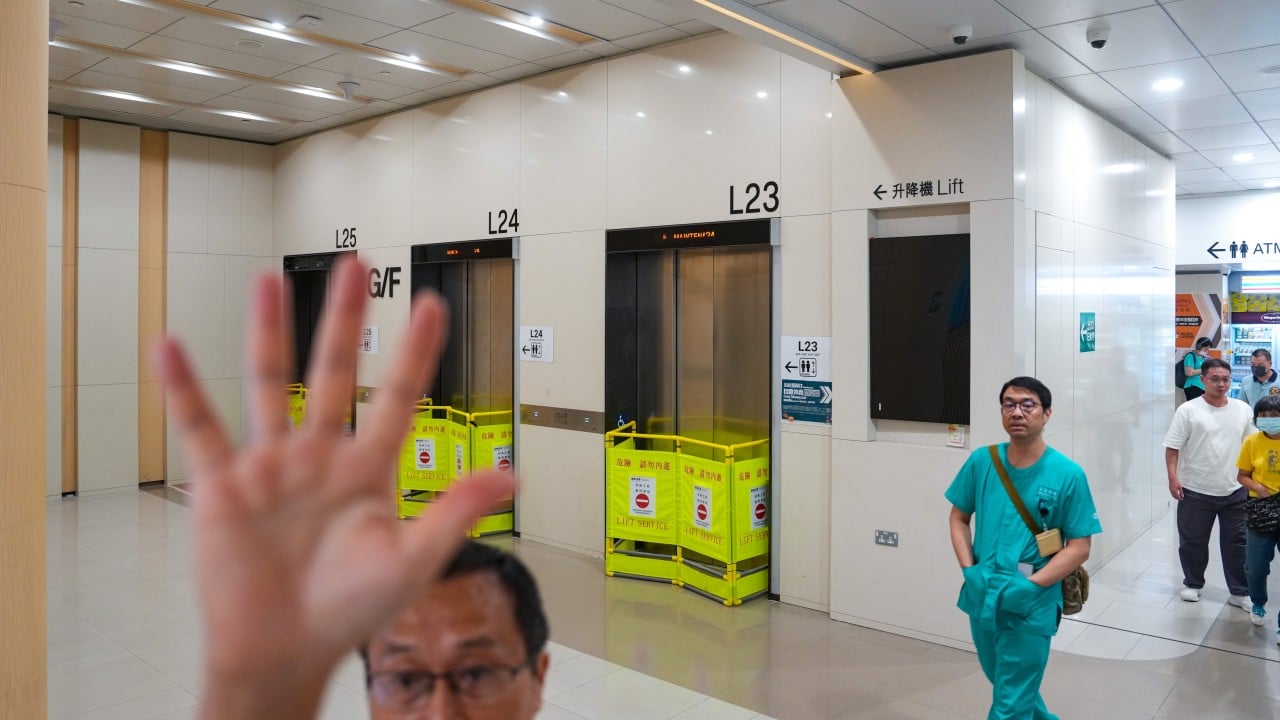
Hospital air smells of bleach, wet linoleum, and the quiet panic of waiting rooms. It is a dense, specific scent. But if you stand long enough by the elevator banks on the third floor of a public medical center, you smell something else entirely. Anxiety.
A hospital elevator is not merely a box of steel moving up and down on cables. It is an artery. Through its heavy sliding doors pass premature infants in heated pods, surgeons rushing toward the golden hour of trauma, families wheeling aging parents toward their final discharge, and gurneys bearing the weight of human fragility. When that box stops moving, the entire ecosystem stalls.
Let us consider a hypothetical shift at a busy municipal hospital, though anyone who has navigated public healthcare knows it is barely a fiction. Picture Nurse Clara, twelve hours into a grueling shift, staring at a flashing digital indicator that stubbornly reads zero. The lift is dead. Inside that stranded shaft hang thirty years of deferred maintenance, bureaucratic oversight, and a gamble on invisible machinery that patients never think about until it fails.
Public infrastructure rests on a fragile social contract. We assume the floor will hold. We assume the railing will bear our weight. And above all, we assume that when we push a button marked with a cross or a floor number, physics and administration will cooperate to lift us safely to where we need to be.
When substandard work invades this sacred space, the betrayal cuts deeper than mere financial loss.
Reports from Hong Kong recently laid bare a chilling reality. Investigations into public hospital infrastructure revealed faulty lift work—shoddy installations, compromised safety margins, and shortcuts taken where no shortcuts should ever exist. The government response was swift in bureaucratic terms, announcing that authorities fully reserve the right to seek financial compensation from contractors who compromised safety standards.
Compensation is necessary. Money matters. Budgets must balance.
Yet, looking at a ledger balancing column misses the human terror of a plummeting car or a door that jams halfway between floors with a critical patient trapped inside.
Numbers on a spreadsheet cannot measure the spike in a patient's cortisol levels when an elevator shudders violently between the ground floor and surgery. Accountants cannot quantify the delay in minutes that change a diagnosis from manageable to terminal. When public works are executed with negligence, the price is paid in human breath, not just treasury funds.
We live in a culture obsessed with the visible. We admire the glass facade of a new wing, the polished granite of the lobby, the pristine screens of diagnostic tools. But true safety lives in the hidden places. It lives in the tension of the cables, the calibration of the emergency brakes, the integrity of the bolts hidden behind sealed panels where only inspectors dare to look.
Think of the mechanics who spend their nights in the dark grease of elevator shafts while the city sleeps above them. Their work is unglamorous. It is dangerous. It requires a meticulous devotion to detail that defies the modern corporate rush to cut corners and maximize profit margins. When a contractor cuts a deal by cutting quality, they are stealing time and safety from people who have nothing left to give.
Hong Kong's stand against negligent contractors is more than a local regulatory dispute. It serves as a stark reminder of what happens when accountability slips. For too long, large-scale public infrastructure projects have operated under a cloud of opaque subcontractor layers, where responsibility gets diluted until it evaporates entirely.
Who actually installed that bolt? Who signed off on that safety inspection? If you ask five different managers, you are likely to get five different shrugs.
This diffusion of responsibility is toxic. It creates an invisible shield for incompetence. When the government declares it will chase every dollar of compensation for faulty hospital lift work, it pierces that shield. It sends a message that public safety is not a negotiable line item in a bidding war.
Consider what happens next in the halls of power and the offices of procurement. Contracts will be scrutinized. Penalties will be written in bolder ink. But the cultural shift must go further than legal threats.
We need to restore a sense of craftsmanship to the mechanics of survival.
There is an old adage among master builders that you should construct every wall as though your own child will sleep against it. Apply that philosophy to a hospital elevator shaft. Build it as though your mother is the one trapped inside when the power flickers.
The patients rolling through those hospital doors do not care about arbitration clauses or legal precedents. They care about reaching the fourth floor before the pain overwhelms them. They care about a smooth, silent ride out of the shadow of illness and back into the light of the streets.
Until we match our gleaming medical technology with infrastructure that is equally infallible, our healthcare systems remain half-built. We can cure the disease, but if the room where the cure happens is held together by a prayer and a compromised cable, we have missed the foundational duty of civilization.
The cables hold. Until they don't. And in that terrifying space between stability and collapse, we discover the true cost of looking the other way.