The diplomatic machinery between Washington, Moscow, and Kyiv is grinding into motion again. U.S. special envoy Steve Witkoff and presidential adviser Jared Kushner touched down in Moscow, carrying a fresh diplomatic blueprint aimed at halting the grinding war.
If you have been following this conflict, you know that peace initiatives have a habit of stalling out before they even clear the runway. But this weekend's shuttle diplomacy carries a different weight. With casualty counts mounting and infrastructure battered on both sides, the White House is making a heavy bet that exhaustion might finally open a window for compromise.
Behind the Moscow Flight Plan
Why are American negotiators back on Russian soil right now? Simple math and mounting pressure. For the past six months, Washington's foreign policy bandwidth got dragged down by conflict flare-ups involving Iran. That diversion allowed the front lines in Ukraine to turn into an even bloodier stalemate, accompanied by relentless long-range aerial bombardments.
President Donald Trump confirmed before the trip that his delegation isn't just flying out to shake hands; they are carrying a concrete proposal designed to test whether Vladimir Putin is ready to talk turkey.
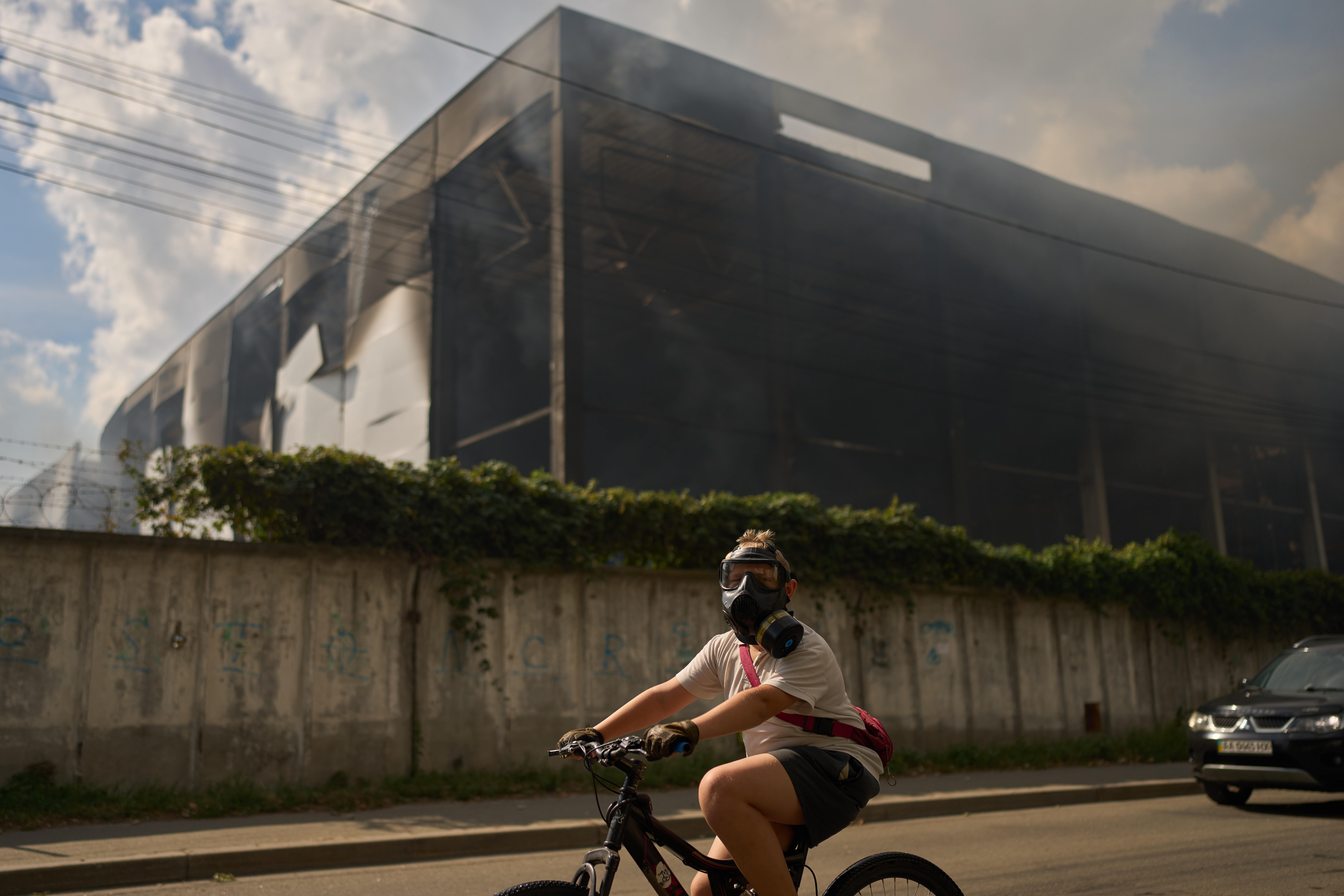
Yet, translating a Washington PowerPoint presentation into actual peace on the ground is notoriously difficult. Ukrainian President Volodymyr Zelenskyy noted that the delegation’s arrival coincided with intense overnight drone and missile attacks on Kyiv and local airports, proving that Moscow’s military machine hasn't slowed its rhythm for diplomacy.
The Kyiv Leg and the Ceasefire Gambit
Zelenskyy reacted to the American itinerary with a calculated strategic move. He announced that Ukraine would halt its airstrikes during the envoys' travel window and publicly challenged the Kremlin to match the pause.
It is a smart trap. If Moscow keeps pounding Ukrainian targets while U.S. diplomats are trying to broker a truce, it visually reinforces the narrative that the Kremlin has zero interest in a political off-ramp. If Russia stops, it offers a rare, brief quiet period across the 1,250-kilometer front line.
Witkoff and Kushner are expected to head straight to Kyiv after wrapping up their consultations in Moscow. For Witkoff, this trip marks a notable shift; while he has traveled to Russia multiple times since these back-channels opened, visiting the Ukrainian capital directly puts him face-to-face with the government paying the highest price in blood and steel.
Personal Animosity and Practical Realities
Trump didn't mince words when describing the core roadblock to a settlement, pointing bluntly at the deep personal hostility between Putin and Zelenskyy. When two leaders genuinely loathe each other, finding diplomatic middle ground becomes infinitely harder than managing standard geopolitical disputes.
Skepticism remains the dominant currency in European and intelligence circles. Western officials routinely question whether Putin wants any deal short of total capitulation, especially while his forces maintain pressure on energy grids and military hubs. Meanwhile, Ukrainian intelligence warns that Moscow continues to game out offensive scenarios for northern sectors.
Still, the sheer human cost of the conflict forces both capitals to play along with American mediation efforts. Whether this high-stakes weekend flight breaks the ice or joins the graveyard of past peace plans depends entirely on what Witkoff and Kushner heard behind closed doors in the Kremlin.
Keep your eyes on the outcome of the Kyiv meetings. That will tell you whether this push is a genuine turning point or just another diplomatic exercise in spinning wheels.


