Every desk pundit in Washington and Copenhagen is currently popping cheap champagne over the so-called US-Greenland-Denmark security framework. The consensus narrative sounds like a State Department press release from 1995: a triumphant tri-lateral alignment, a reaffirmation of Arctic stability, and a neat little administrative box checked against Russian and Chinese expansionism.
It is a complete illusion.
I spent two decades tracking defense posture shifts in the North Atlantic, and I have rarely seen a diplomatic document so completely detached from the brutal physical reality of the ice. While bureaucrats celebrate a few more joint radar exercises and diplomatic handshakes, Beijing and Moscow are playing a multi-decade chess match that renders this security deal obsolete before the ink has dried.
The lazy consensus is that signing a trilateral memorandum of understanding anchors Greenland securely within the Western orbit. The truth is much uglier. This agreement is a placebo designed to comfort politicians who lack the stomach to fund actual Arctic sovereignty.
The Map Room Fantasy Versus The Melting Reality
Let us clear up the core misconception right away. People talk about the Arctic as a frozen wasteland that requires occasional patrol flights from Thule Air Base, now officially renamed Pituffik Space Base. That perspective belongs in a museum.
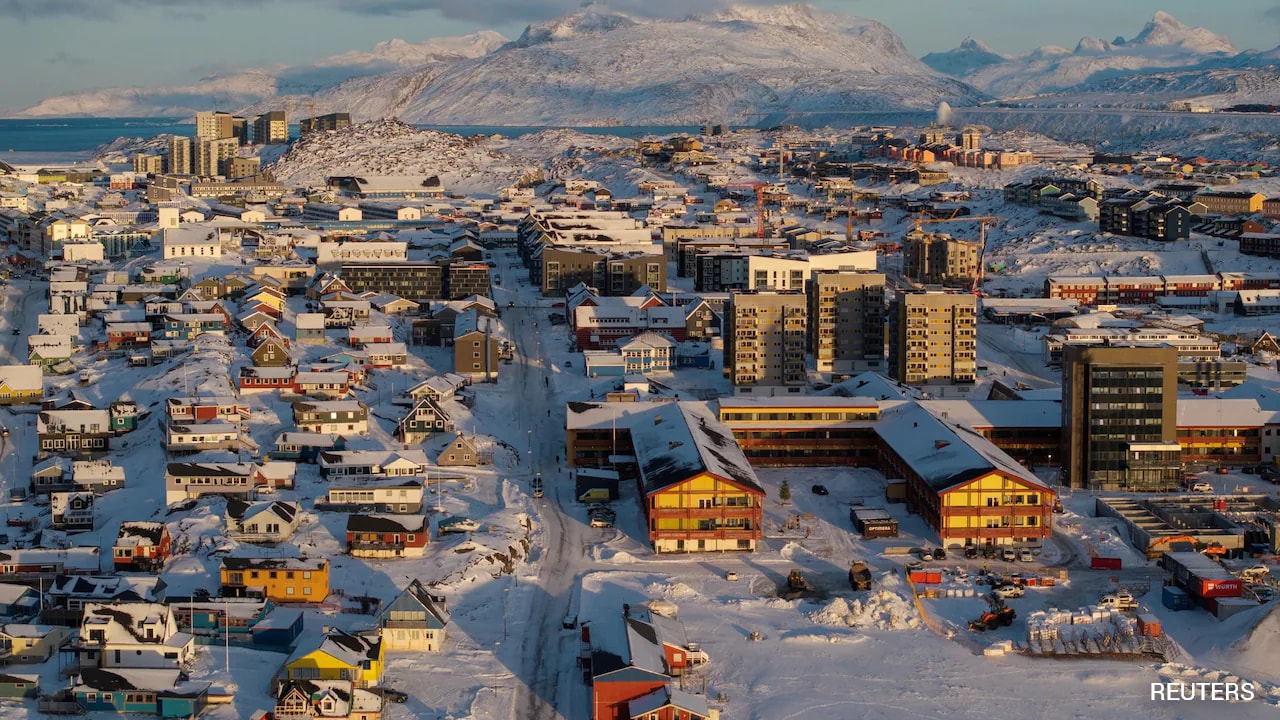
The Arctic is turning into an open maritime frontier. As the ice pack recedes, the physical geography of the planet is being redrawn. Shipping routes between Asia and Europe are shaving weeks off transit times, and the seabed holds untapped mineral deposits—rare earths, uranium, and zinc—that modern technology requires to function.
Denmark treats Greenland like an ancestral estate it can rent out for strategic security credits while maintaining colonial control over the foreign policy ledger. Greenlanders themselves want absolute independence, but they cannot afford the baseline cost of national defense without outside patrons. Beijing knows this. China has spent the last decade trying to buy up airport concessions, mining rights, and scientific research stations across the island, positioning themselves not as a military invader, but as an indispensable economic landlord.
Washington responds to this multi-billion-dollar economic offensive by signing a security agreement that mostly reinforces existing Cold War architecture. Pituffik is vital for early missile warning, sure. But early warning radar does not stop a foreign power from owning the critical supply chains of the transition economy.
If you think a security deal stops a country from selling out its economic future to the highest bidder because of a shared democratic value system, you have never negotiated a resource contract in Nuuk.
The Sovereignty Paradox That Nobody Dares Mention
Let us address the elephant in the room that the mainstream press glosses over: Denmark cannot defend Greenland, the United States treats Greenland as a glorified unsinkable aircraft carrier, and Greenlanders are tired of being pawns in someone else's great power competition.
When people ask how the US-Greenland-Denmark pact changes the military balance in the North Atlantic, they are asking the wrong question. The real question is how long Copenhagen can maintain its constitutional veto over Greenlandic foreign policy before Nuuk tells both Denmark and the United States to pack their bags.
The security framework assumes a stable hierarchy: Washington leads, Copenhagen mediates, Greenland complies. That hierarchy is fracturing. Greenlandic politicians are pragmatic. They watch European industrial policy stagnate and American administrations pivot every four years based on domestic electoral whims. Why tie your entire geopolitical future to an alliance structure that treats your homeland as a secondary theater?
I have sat in closed-door briefings where military planners privately admit that if a major crisis hits the Greenlandic coast tomorrow, our response capability relies on aging infrastructure and supply lines stretching thousands of miles south. We are trying to secure a twenty-first-century geoeconomic battlefield with twentieth-century garrison mentalities.
Why The Contrarian Play Is Economic Co-Option Not Defense Pacts
The standard prescription from foreign policy think tanks is more joint patrols, more interoperability, and more summits. More paperwork.
That approach is doomed. You cannot deter economic penetration with a security pact. If China offers to build your deep-water ports, finance your airports, and purchase your mineral output at above-market rates, a security framework that says "please do not do that" is worth less than the paper it is printed on.
The only way the West wins the Arctic is through radical economic integration. We need to stop treating Greenland as a strategic buffer zone and start treating it as an equal, sovereign economic partner with massive leverage. That means direct investment from Western capitals that matches or beats anything Beijing can put on the table, without the paternalistic oversight that Copenhagen has practiced for generations.
It also means accepting an uncomfortable truth: Greenland will likely achieve full independence within the decade. When that happens, the current trilateral security architecture will evaporate overnight, forcing a complete renegotiation of every base rights agreement and defense commitment on the island.
Pretending this document solves the problem is comforting. It lets defense ministers sleep at night. But while the West is busy framing security deals, the real battle for the Arctic is being fought with checkbooks, mineral concessions, and shipping lane dominance. And right now, we are getting out-negotiated by people who view the ice not as a barrier, but as an open highway.
Stop celebrating the paperwork. Start looking at the ledger.