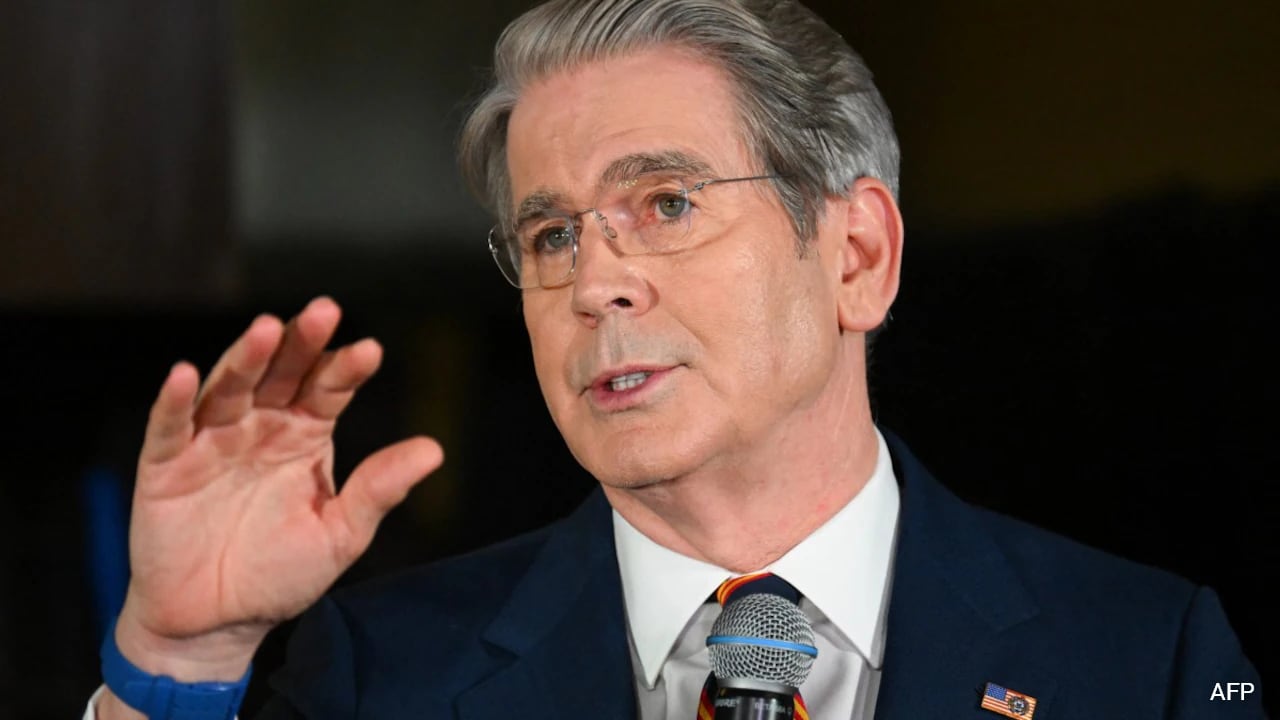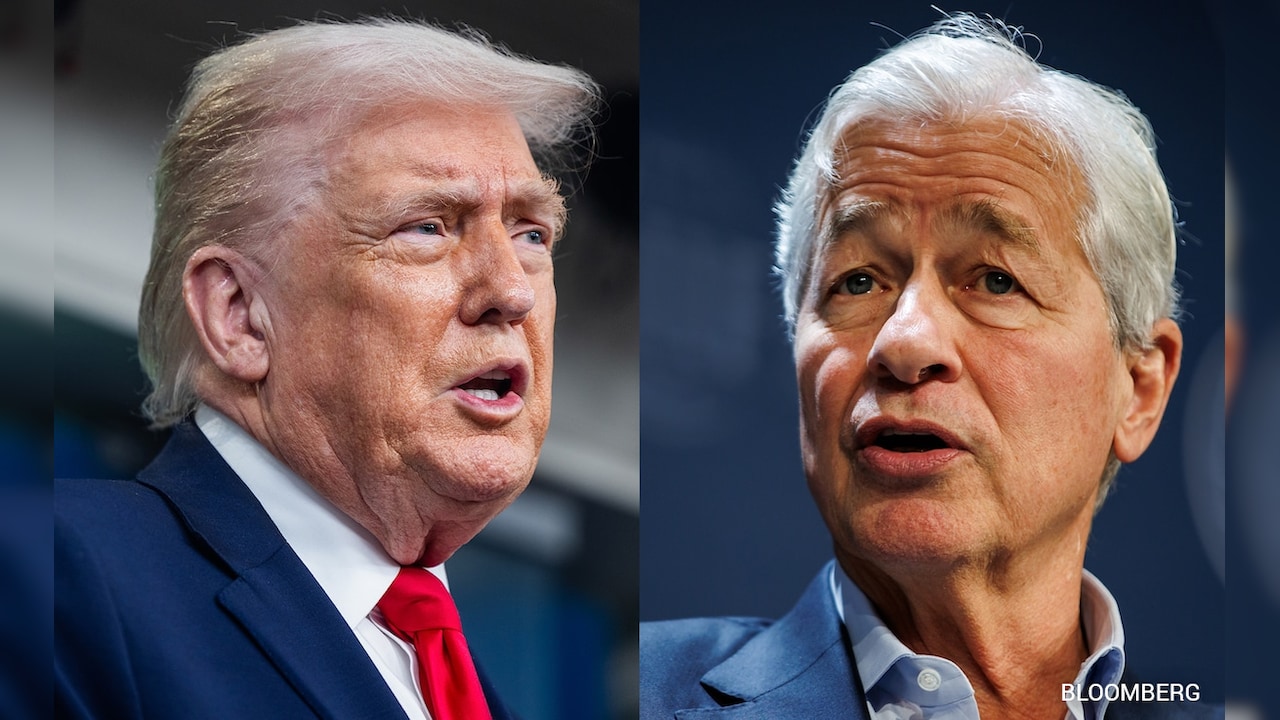
Geopolitics and global supply chains rarely mix cleanly. When Washington starts throwing around heavy economic threats, the shockwaves hit emerging markets long before anyone in the West feels a pinch. Recently, Wall Street heavyweights have started pushing back against aggressive trade postures, specifically warning the White House against penalizing growing economic engines like India over secondary geopolitical friction.
If you look past the political posturing, the underlying reality is simple. Major financial institutions know that isolating key democratic partners over localized energy imports or trade disagreements backfires. Here is why the ongoing friction over tariffs and oil imports matters, and why financial leaders are urging a complete rethink. Recently making waves recently: How One Australian Couple Turned a Backyard Pod Into a 200K Annual Earner.
The Russian Oil Dilemma and Secondary Tariffs
The core of the recent tension stems from legislative moves empowering the US administration to slap severe tariffs on nations buying Russian energy products. Lawmakers drafted these measures to squeeze Moscow's war chest. But the application creates an immediate bottleneck for major importers like New Delhi.
Refineries don't just flip a switch and change crude suppliers overnight. They rely on specific grades of oil to match their processing infrastructure. JPMorgan Chase CEO Jamie Dimon pointed out that slapping blanket tariffs on countries navigating these complex energy needs risks punishing the wrong players and destabilizing global markets. Instead of forcing a rigid compliance model that hurts allies, financial leaders argue for direct dialogue and stability. Further insights regarding the matter are detailed by The Wall Street Journal.
Why India Remains Indispensable to Global Growth
Wall Street isn't defending India out of charity. It is pure math. India represents one of the few massive, expanding consumer markets left on the planet.
Financial institutions are aggressively scaling up their research coverage and local operations because the domestic economy continues to compound rapidly. Treat a market of that scale with blunt-instrument tariffs, and you disrupt corporate planning everywhere. Stability beats uncertainty every single time. When regulatory environments shift abruptly based on political winds, multinational firms pause capital expenditure.
Furthermore, maintaining a non-aligned posture gets tougher by the day as global fault lines deepen. India has consistently prioritized national energy security and affordable supplies for its population over external pressures. Expecting a nation of over a billion people to instantly bend to external dictates ignores basic economic survival.
The Stalled Trade Deal Reality
Beneath the tariff rhetoric lies an old, unresolved problem. The long-stalled trade agreement between Washington and New Delhi remains unfinished.
Both governments talk about being natural partners, yet bureaucratic gridlock keeps getting in the way. Experts have long argued that economic integration beats coercion. Extending a cooperative hand through favorable trade and investment brings emerging economies closer far faster than secondary sanctions ever will.
If policymakers want long-term alignment, they need to finalize comprehensive trade pacts rather than relying on punitive measures that alienate the world's largest democracy.
What This Means for Markets Moving Forward
Markets hate unpredictability. When energy supplies face artificial constraints and trade routes get weaponized, commodity prices fluctuate wildly.
Corporate strategists are already diversifying supply chains and hedging against regulatory shocks. If you are tracking global equities or emerging market debt, watch how Washington handles enforcement of these energy sanctions. A pragmatic approach keeps supply lines open. A heavy-handed approach risks sparking unnecessary inflation across international energy markets.
Keep an eye on bilateral talks and actual enforcement metrics rather than listening to campaign rhetoric. Real capital moves based on actions, not headlines.
This video provides direct context and commentary regarding JPMorgan CEO Jamie Dimon's statements on US-India relations and potential tariff policies.