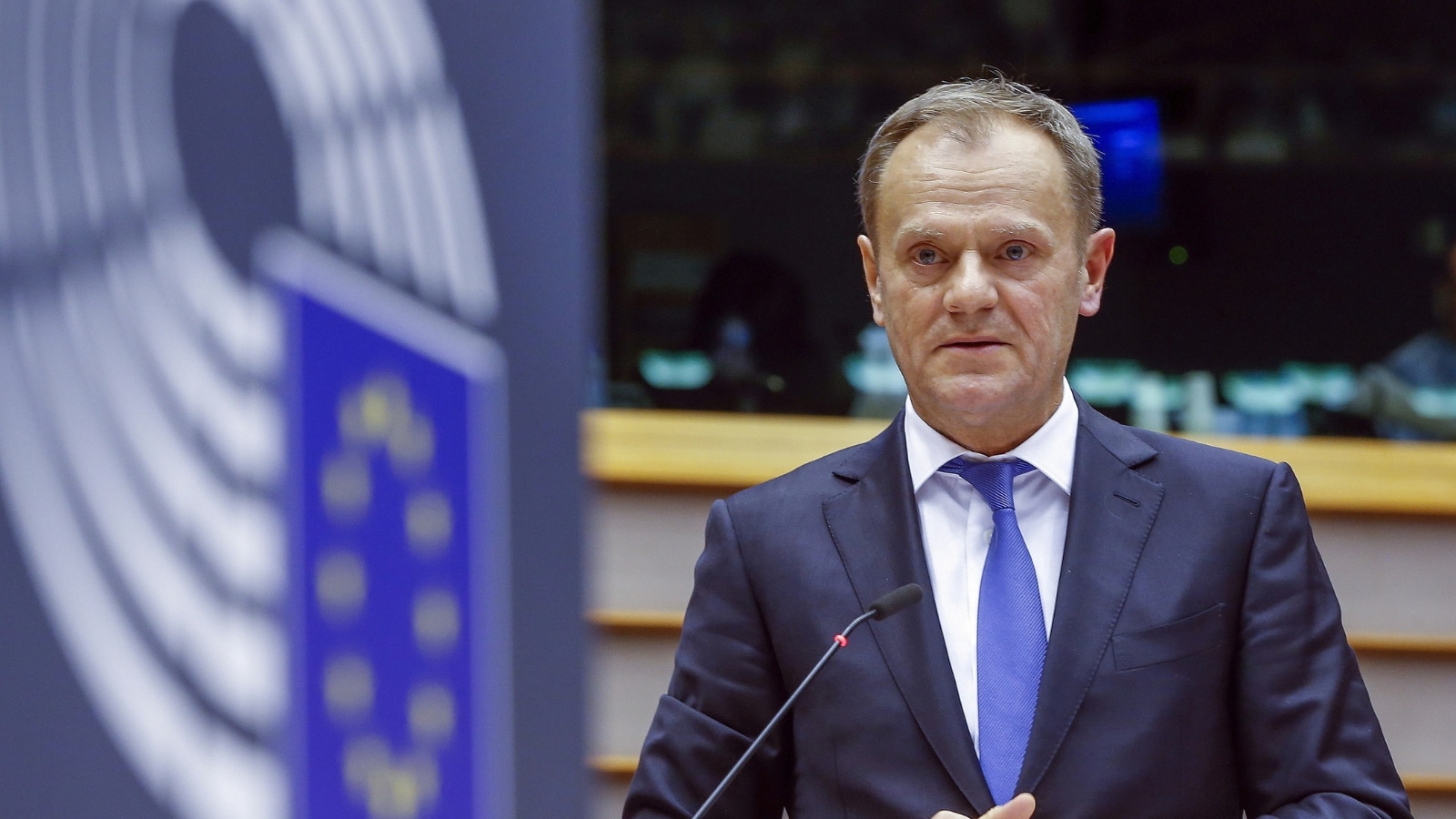
The detention of an individual plotting against Polish Prime Minister Donald Tusk and Defence Minister Władysław Kosiniak-Kamysz highlights a fundamental structural vulnerability in frontline European state security. While state media frequently frames such threats as isolated criminal aberrations, operational risk analysis reveals a more complex matrix of converging domestic polarization, hybrid state-sponsored destabilization, and executive protection bottlenecks.
The Mechanics of State-Level Threat Escalation
Executive protection architecture operates under a continuous cost-benefit calculation. When a state acts as the primary logistical and political hub for a major regional conflict, the threat surface area expands exponentially. The operational risk profile of Polish leadership is dictated by three distinct variables:
- Geopolitical Exposure: Poland functions as the central transit corridor for military and humanitarian aid to Ukraine. This makes its executive leadership primary targets for actors seeking to disrupt Western coordination.
- Domestic Polarization: Extreme political rhetoric lowers the barrier to entry for radicalized lone actors. When public discourse normalizes aggressive conceptualizations of political opposition, state security services face an elevated volume of high-intent threats.
- Hybrid Warfare Integration: Intelligence assessments in Warsaw indicate that modern threats rarely manifest as purely homegrown or purely foreign-directed operations. Instead, hostile intelligence services utilize domestic extremists as proxies, minimizing attribution while maximizing psychological impact.
The Cost Function of High-Alert Posture
Maintaining an elevated security posture incurs heavy economic and operational costs. Security services must constantly triage incoming signals of intent against baseline noise. The primary challenge for agencies like Poland's Internal Security Agency is filtering actionable operational plots from digital noise generated by radicalized individuals on social media platforms.
When threat intelligence agencies receive specific indicators—such as intercepted electronic communications or digital footprints signaling an intent to harm principal figures—the threshold for intervention shifts instantly. In this specific case, the involvement of the Interior Ministry and the swift detention of the suspect indicate a low tolerance for investigative delay, given the volatile security environment marked by adjacent domestic incidents and rising tensions along NATO's eastern flank.
Structural Fragility in Executive Defense
The convergence of multiple security stress points—ranging from domestic violent incidents to threats against top-tier ministers—exposes the limits of reactive policing. Executive protection units must transition from static threat mitigation to predictive network analysis. The capacity to preempt attacks depends entirely on intercepting radicalization pathways before operational planning solidifies into physical reconnaissance.
To maintain operational continuity, security frameworks must systematically decouple executive safety from the fluctuations of domestic political friction. Intelligence sharing between military counter-intelligence and civilian police must remain frictionless to neutralize proxy threats originating from hybrid actors. The containment of this specific plot demonstrates tactical responsiveness, but the broader strategic challenge lies in suppressing the underlying drivers of political radicalization that feed the threat pipeline.