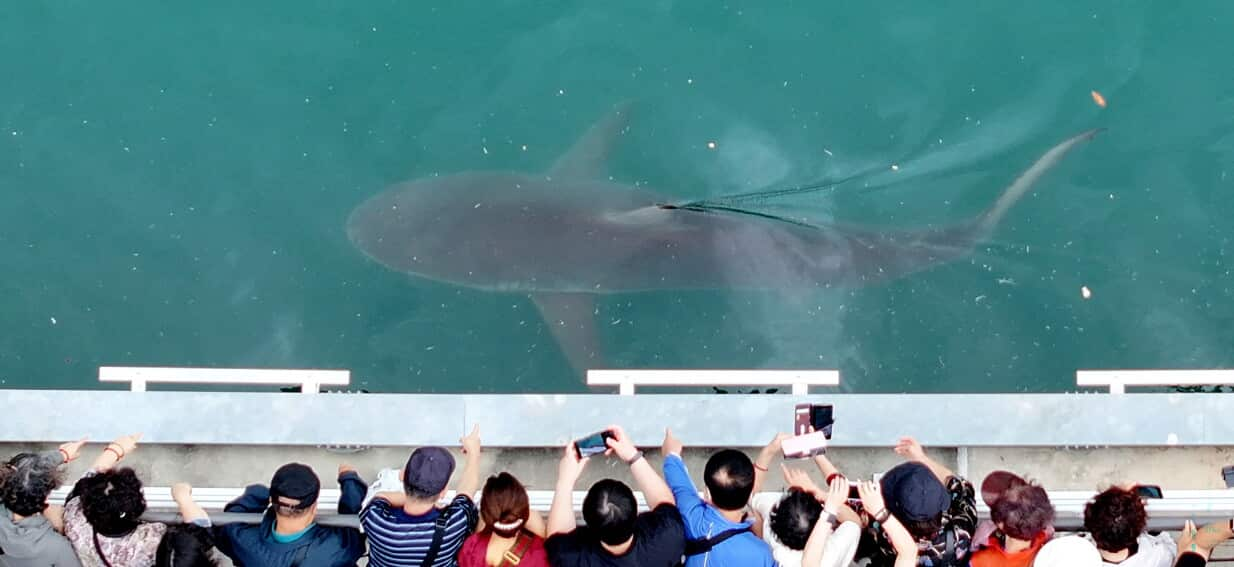
A shark ends up somewhere it definitely shouldn't be. Someone pulls out a phone. Within hours, millions of people are cheering for a rescue mission while biologists quietly brace for the worst.
That's the strange reality of modern wildlife stories. A lost shark goes viral because the visual contrast is impossible to ignore—a sleek, misunderstood predator stranded in a shallow creek, a tide pool, a flooded canal, or a marina slip that looks more like a trap than open ocean. People care. Honestly, that emotional spark is real. Yet viral attention doesn't automatically translate into a good outcome for the animal, and it often distorts how coastal rescues actually work on the ground.
When you look past the feel-good clips, a lost shark rescue isn't a quick movie moment where a brave crew drags a fin back into the surf and everyone claps. Sharks aren't dolphins. Many species need steady water flow across their gills just to breathe, and hauling a heavy body across sand or concrete puts massive strain on internal organs that are built to be supported by water, not gravity.
How a Lost Shark Turns Into a Viral Star
Social media loves a clear underdog. A shark trapped in shallow water looks helpless, dramatic, and photogenic all at once. Add a dramatic caption, a shaky video angle, and a ticking tide, and the algorithm does the rest.
Part of why these clips explode is how rarely people see sharks in quiet, everyday places without a cage or a fishing line involved. When a juvenile blacktip, bonnethead, sandbar shark, or smooth dogfish wanders into an estuary or a narrow channel after a storm or high tide, viewers project human urgency onto every tail twitch. Everyone becomes an armchair marine biologist in the comments.
I've seen how quickly well-meaning crowds can complicate a delicate situation. When a shark becomes a local spectacle, boats circle closer, onlookers wade into shallow water for a better angle, and noise spikes right when a stressed animal needs quiet space and clean water. Even people who genuinely want to help sometimes push the shark the wrong way or grab it by the tail, which can injure cartilage and exhaust an already depleted predator.
There's also a subtle bias in what goes viral. You see the dramatic discovery and the hopeful release clip. You rarely see the follow-up two days later if a stressed shark failed to recover after being moved too fast or handled improperly. That gap creates a false impression that every viral rescue is a clean triumph.
Why Sharks Wander Into the Wrong Places
Sharks don't get "lost" in the way a hiker loses a trail in the woods, though disorientation and environmental shifts definitely play a role. Many coastal species naturally use shallow bays, lagoons, and river mouths as nurseries or hunting grounds. Sometimes a curious juvenile pushes a little too far up a brackish creek or gets caught behind a sandbar when a strong spring tide recedes faster than expected.
Weather matters a lot too. Heavy rain can drop salinity sharply in coastal inlets, while storm surges can push marine life into canals, marinas, and flooded retention ponds. For certain species, sudden shifts in temperature, oxygen levels, or water clarity create stress that makes navigation harder.
Illness or injury can also put a shark off course. A shark dealing with a hook wound, a parasite load, or exhaustion might hug shallow edges where currents are weaker, making it look stranded when it's actually trying to conserve energy.
What a Real Shark Rescue Mission Actually Takes
When wildlife authorities, marine stranding networks, or trained researchers respond to a stranded or trapped shark, their checklist looks very different from what viewers expect. First comes identification and safety—both for the public and the crew. A small, docile-seeming shark can still bite if cornered or mishandled, and larger species carry serious power even when exhausted.
Rescuers look closely at the shark's condition before moving an inch. Is it upright and swimming weakly, or lying on its side? Is there bleeding around the gills or mouth? How warm is the water, and how low is the dissolved oxygen? Moving a shark just to get it out of sight isn't always smart if the nearest deep water is choked with silt or warm, stagnant runoff.
In real field operations, timing and water movement are everything. Some sharks—known as obligate ram ventilators—rely on forward motion to push oxygenated water across their gills. Others can pump water over their gills while resting, though stress still takes a heavy toll. Getting a shark back into deeper, cleaner water often requires patience, steady support, and avoiding sudden thrashing that burns through scarce energy reserves.
Organizations like the NOAA Fisheries and regional marine mammal and sea turtle or shark stranding networks emphasize trained response and proper handling protocols rather than improvised crowd efforts. And if you want to understand how shark biology shapes survival outside ideal conditions, the Florida Museum Shark Research program offers accessible, science-backed breakdowns of behavior, habitats, and conservation realities.
Common Mistakes Well-Meaning Bystanders Make
Most people who stop to help a stranded shark aren't trying to be reckless. They just don't know what hurts the animal. Here are the slip-ups that happen again and again when viral moments are in the making:
- Crowding the shoreline: Noise, shadows, and movement in shallow water spike stress and can drive a disoriented shark further into a dead end.
- Pulling by the tail: Dragging a shark backward or lifting it by the tail puts unnatural torque on its spine and internal organs.
- Blocking the gill slits: Pressing on or covering the gills—even accidentally while trying to steady the body—cuts off breathing.
- Chasing it with boats or paddleboards: Trying to "herd" a shark out of a marina or cove with noisy motors or close approaches often panics it into hitting pilings or beaching itself.
- Delaying the call: Spending twenty minutes filming or posting before alerting local marine patrol or wildlife authorities wastes critical time when the tide is dropping fast.
The Debate Over Viral Attention in Wildlife Conservation
There's a real tension here, and it's worth being honest about it. Viral shark stories can spark genuine curiosity about ocean conservation. When millions of people watch a rescue unfold, donations rise, kids ask questions about coastal ecosystems, and sharks get a rare moment of sympathy instead of fear.
At the same time, outrage and spectacle often crowd out nuance. Comment sections fill up with blame aimed at local officials or boaters before anyone knows what species the shark is or what caused it to enter the area. Worse, viral clips can accidentally encourage copycat behavior—people wading into risky waters or trying DIY rescues to capture their own heroic video.
I think the middle ground is pretty clear. You don't have to turn into a cynic just because a story goes viral. Caring is good. What matters is channeling that care toward accurate information, safe distance, and trained responders rather than turning a stressed wild animal into content.
Practical Steps If You Spot a Stranded or Trapped Shark
If you're ever near the coast, a marina, or a tidal creek and spot a shark in trouble, keep things calm and practical. Stay back so the animal has space and isn't cornered by a crowd. Keep pets on a leash and well away from the water's edge.
Note key details without getting in the way: the general size, color pattern or fin shape if visible from a safe distance, exact location markers, and whether the shark is moving, breathing steadily, or showing obvious injuries. Contact local marine patrol, lifeguards, or your state or national wildlife stranding hotline right away so professionals can assess whether intervention is needed or if the incoming tide will naturally clear the path.
If you're watching a viral shark rescue online instead, take a second before sharing or judging. Check if credible local wildlife agencies or marine researchers have weighed in, resist the urge to treat every dramatic clip as the whole story, and support local coastal conservation or stranding programs that do the unglamorous work long after the video stops trending.