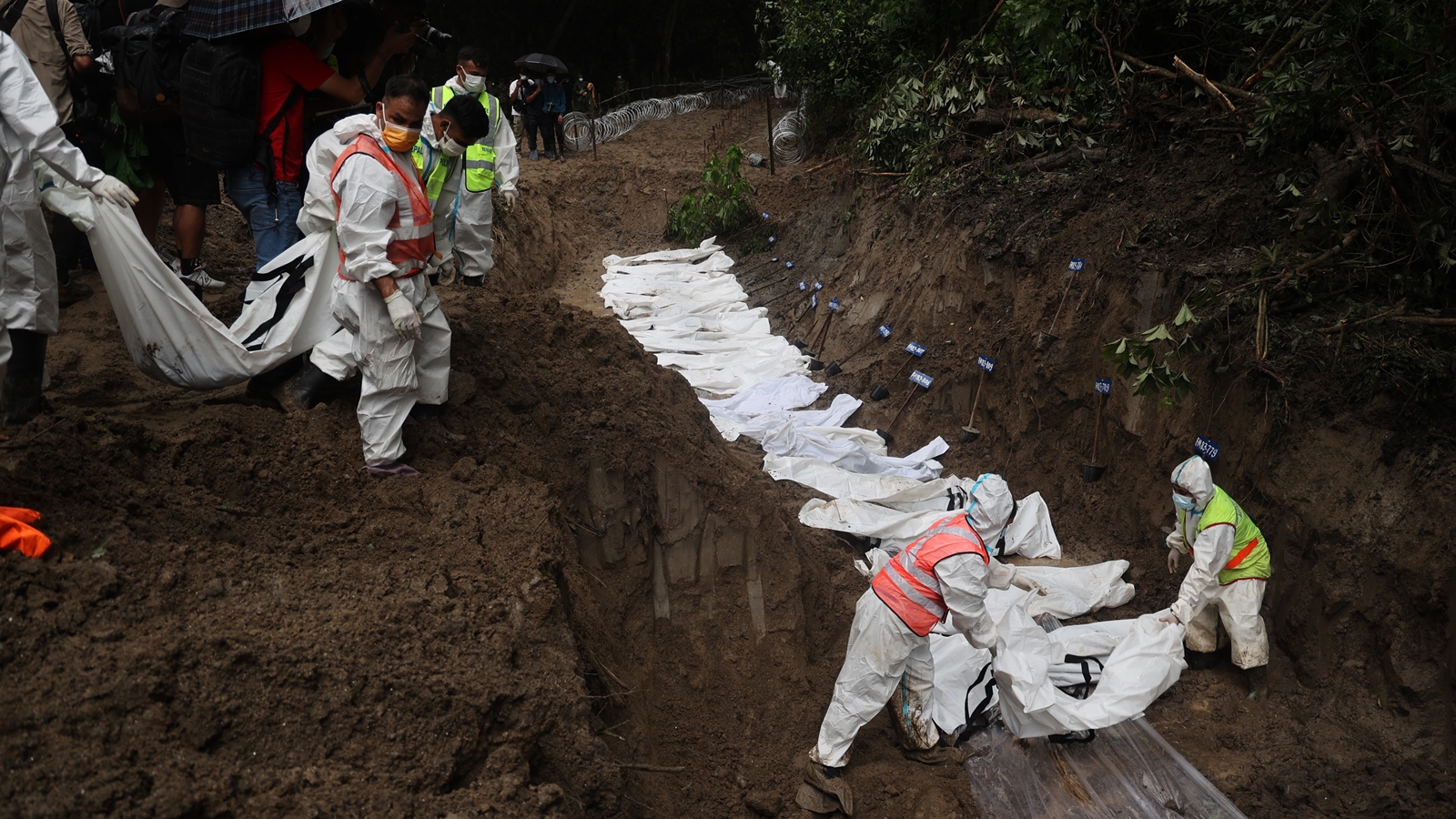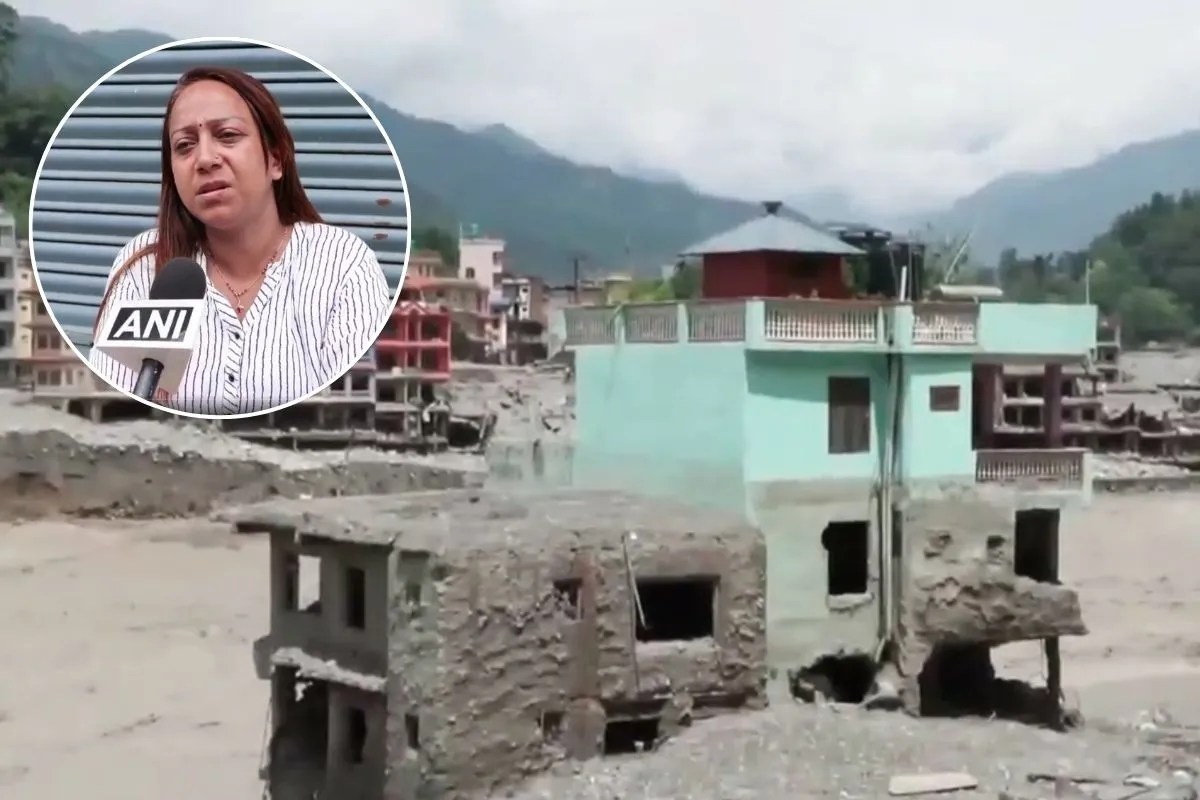
Every monsoon season, digital media outlets crawl over the wreckage of South Asia hunting for cinematic miracles. They want a movie scene. They want a single, brightly painted structure defying a raging brown torrent while a terrified family clutches a rooftop tin sheet, waiting for divine intervention. The viral narrative surrounding the famous green house caught in the Nepal floods followed this exact, lazy script. Headlines screamed about divine second chances, turning a systemic infrastructure failure into a feel-good human interest vignette.
Stop buying the miracle narrative.
When we romanticize survival against impossible odds, we absolve the architects of our civic disasters. The story of a family miraculously saved inside a lone brightly colored building while surrounding communities drown is not a testament to hope. It is an indictment of structural planning, zoning enforcement, and emergency response pipelines that leave human lives entirely at the mercy of sheer architectural luck.
The Flawed Mechanics of Flood Tourism
Emergency reporting has devolved into disaster pornography. When a specific building becomes a viral sensation because it didn't collapse under the weight of surging debris, the public fixation locks onto the anomaly rather than the catastrophe.
The Survivor Bias Trap
- Focuses exclusively on the one structure that remained standing.
- Ignores the dozens of poorly planned neighboring foundations that disintegrated.
- Shifts responsibility from municipal authorities to individual fortune.
Imagine a scenario where a high-stakes financial analyst praises a day trader who put everything on black and hit a jackpot, while ignoring the casino floor littered with bankruptcies. That is precisely what mainstream reporting does when it frames a fluke structural survival as an inspirational parable. The green house did not survive because of divine intervention or superior spiritual karma. It survived because of a specific vector of hydrodynamic flow, heavy reinforcement, and microscopic positioning advantages that most homes in the floodplain simply lacked.
When journalists zoom in on the emotional tears of the rescued family, they pull the camera away from the glaring reality: no one should have been living in a high-velocity hydraulic hazard zone in the first place.
The Myth of the Miracle Rescue
We need to talk about the institutional machinery behind these viral moments. Search and rescue operations during the Nepal floods were heroic, stretched thin, and operating under abysmal resource constraints. Yet, viral algorithms prefer to credit an act of God or the magical properties of a green paint job over the grinding, unglamorous reality of structural engineering failures.
Let us dismantle the core components of the viral narrative:
- The Divine Intervention Fallacy: Attributing survival to luck or higher powers creates a passive citizenry. It teaches vulnerable populations to pray harder rather than demand better river-basin management, early-warning systems, and reinforced embankments.
- The Aesthetic Distraction: The color of the house became a primary anchor point in the coverage. A building's pigmentation has zero bearing on its shear stress capacity against rolling boulders and liquefied mud.
- The Normalization of Risk: By framing the aftermath as a heartwarming reunion, the media normalizes the rebuilding of identical structures in the exact same hazardous paths for the next monsoon cycle.
I have spent years analyzing disaster response and urban settlement patterns across high-risk corridors. I have seen municipal budgets evaporate into administrative bloat while basic hydrological surveys go unfunded. When a flood hits, the immediate reflex of local governance is to lean into the viral human-interest stories because it deflects hard questions about why rudimentary flood defenses were absent or poorly maintained.
Rewriting the Playbook for Climate Resilience
If we actually want to save lives, we have to stop rewarding sensationalism and start demanding rigorous geographical accountability. The questions being asked by the public are fundamentally flawed. People ask how the family felt clinging to the roof, or what color they will paint the replacement walls.
Those are questions designed for entertainment, not survival.
The real questions are administrative and structural. Why were residential permits issued within the active alluvial fan? Where did the disaster mitigation funds allocated for river dredging disappear to over the past decade? Why are emergency communication protocols still relying on word-of-mouth and frantic social media posts instead of automated, localized siren grids?
Addressing these issues requires abandoning the romantic fog of resilience porn. Real resilience is unsexy. It looks like boring zoning laws, ruthless enforcement against illegal riverbank encroachment, mandatory structural reinforcement codes, and decentralized supply caches that do not rely on a single washed-out bridge to reach stranded zones.
The green house is gone from the headlines now, replaced by the next fleeting tragedy in the endless cycle of digital outrage and pity. The water has receded, leaving behind silt, debt, and the quiet certainty that the next heavy rainfall will bring back the exact same cameras, the exact same prayers, and the exact same systemic failure disguised as a miracle. Stop celebrating the people who survive the trap. Dismantle the trap.