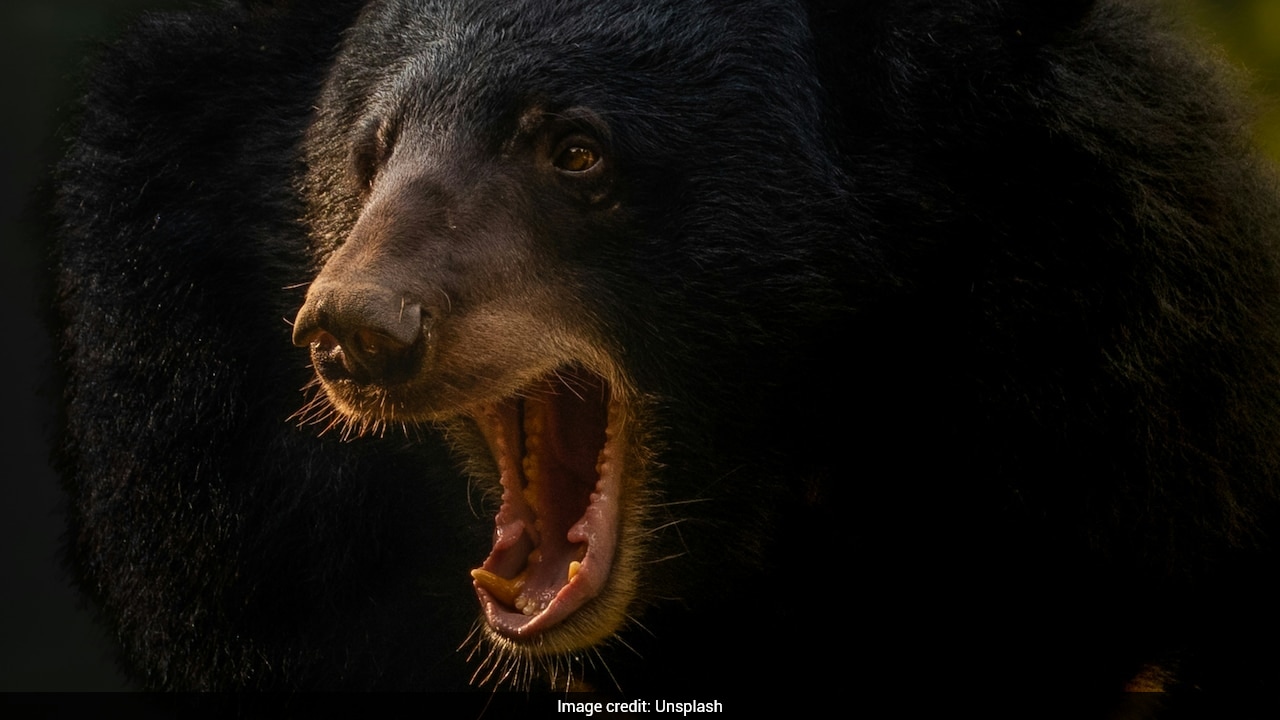
The internet lost its collective mind over a fifteen-year-old in rural Russia who supposedly survived a grizzly mauling because a cheap smartphone took the blunt-force impact of a swipe and deflected the claw. Headlines flashed across global aggregators like neon signs, hailing modern consumer gadgets as accidental tactical armor. Tech blogs swooned. Parents breathed sighs of relief.
It is a comforting, frictionless fairy tale. It feeds our insatiable appetite for poetic irony, the notion that the pocket-sized rectangle ruling our attention spans might one day pay its debt by stopping a apex predator.
It is also complete nonsense.
If you understand physics, animal behavior, or basic material science, the viral narrative falls apart under a wet tissue paper. We are romanticizing a statistical anomaly while missing the actual danger hiding in plain sight. Relying on an aluminum-and-glass pocket ornament for wildlife defense is not clever resourcefulness. It is a suicide pact wrapped in a viral video.
The Physics Of A Grizzly Swipe Donot Care About Gorilla Glass
Let us dismantle the mechanical premise. A Siberian brown bear delivers a paw strike with a force estimated between five hundred and over one thousand pounds of impact pressure, backed by curved, three-inch keratin claws designed to rip through bison hide and snap vertebrate bone.
When a juvenile human holds a device in front of their torso during a sudden charge, what actually happens under impact? The bear does not strike the phone with precise, perpendicular geometry. The claw tears past the object, or the sheer kinetic energy transfers directly through the device into the ribs, shattering the sternum regardless of whether the screen cracks into a spiderweb pattern.
Lithium-ion batteries hate blunt trauma. Puncture a standard smartphone battery under high compression, and you do not get a clever deflection. You get a thermal runaway event—a violent, self-sustaining chemical fire reaching temperatures over one thousand degrees Fahrenheit, fueled by boiling electrolyte solution right against the victim's chest.
If the phone actually stopped the claw, it likely did so by acting as a rigid anvil that concentrated the force into a smaller surface area, exacerbating internal trauma. The narrative of the magical pocket shield ignores reality to feed a narrative we prefer to consume.
The Real Danger Is Not The Bear It Is The Screen
The laziness of the original reporting lies in its framing of technology as a survival tool in the wild. In reality, the smartphone is the primary reason people are wandering blindly into wild animal territory without situational awareness, and it is actively getting people killed or mauled.
I have spent years consulting on remote wilderness operations and emergency preparedness. The common denominator in modern wildlife incidents is not a lack of bear spray or bad luck. It is distraction. Hikers, campers, and teenagers wandering forest peripheries are staring down at illuminated screens, wearing noise-canceling headphones, entirely deaf to the snapping of dry twigs or the huff of an agitated sow protecting cubs.
When you blind yourself to your environment, you eliminate the single most effective defense mechanism in nature: avoidance.
The fifteen-year-old did not survive because of a gadget. The kid survived despite the gadget, likely due to a combination of sheer luck, the bear executing a bluff charge rather than a predatory strike, and the chaotic geometry of a panic-driven scuffle. Crediting the smartphone is like thanking the blindfold for helping you dodge traffic.
Dismantling The Connectivity Safety Net Myth
There is a broader cultural sickness at play here. We have built an entire generation that believes an electronic device acts as an absolute metaphysical shield against the physical world.
People assume that because a device has GPS, it possesses a guardian angel property. They step into remote terrain without physical conditioning, without proper bear deterrent canisters, without basic tracking skills, entirely confident that they can summon a helicopter with a swipe.
When cell towers do not exist forty miles deep into the taiga, that rectangle in your pocket transforms from a lifeline into a literal brick and an electronic distraction.
If you want to survive an encounter with a brown bear, throw away the tech fantasies.
- Ditch the audio pods: Keep your ears open in ursine territory. Nature communicates long before it attacks.
- Carry proper deterrents: A canister of high-grade bear spray on your hip beats a phone in your pocket every single time.
- Understand the animal: Bears do not hunt humans for sport; they react to surprise, defense of territory, or food conditioning.
Stop looking for poetic ironies in headlines written by algorithm-driven content farms. Respect the apex predator, put the phone away when you step off the pavement, and remember that silicon and lithium are no match for five hundred pounds of muscle and rage.