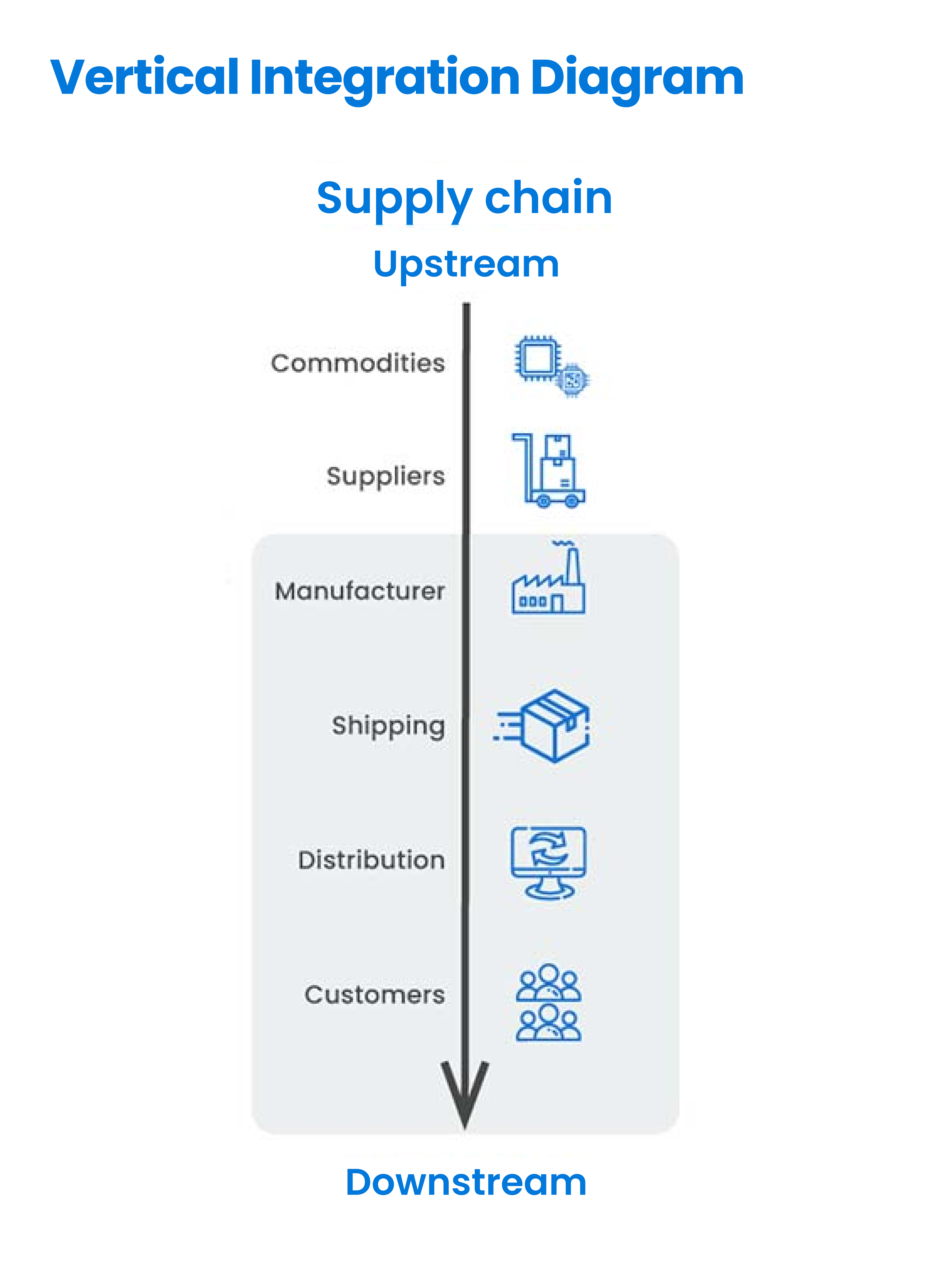
The settlement between Live Nation Entertainment and the United States Department of Justice (DOJ) represents a critical adjustment to the 2010 consent decree, yet it stops short of a structural dissolution. To understand the friction between market efficiency and monopolistic behavior in the live events industry, one must analyze the "Flywheel of Exclusivity" that Live Nation has constructed. This model relies on the tight coupling of artist management, venue ownership, and primary ticketing services via Ticketmaster. The settlement does not break this chain; it recalibrates the enforcement mechanisms intended to prevent the company from using its dominance in one sector to force compliance in another.
The Triad of Market Dominance
Live Nation’s power is not derived from a single service but from the interlocking nature of three distinct business units. When these units function in unison, they create a closed-loop system that competitors find impossible to penetrate without equivalent scale.
- The Content Layer (Artist Management and Promotion): Live Nation controls the "supply" of the industry. By managing or promoting the world’s top-tier touring acts, they dictate where the content flows.
- The Infrastructure Layer (Venues): Through ownership or long-term management contracts of amphitheaters, clubs, and theaters, they control the "shelf space."
- The Transactional Layer (Ticketmaster): This layer captures the consumer data and the service fee revenue, which acts as the high-margin engine funding the acquisition of more content and infrastructure.
The DOJ’s primary grievance centered on "retaliatory behavior." In a perfectly competitive market, a venue should be free to choose any ticketing provider based on price or technology. However, the DOJ alleged that Live Nation used its promotion arm as a cudgel: if a venue dropped Ticketmaster, Live Nation would withhold its roster of managed artists from that venue. This creates a binary choice for venue owners: use Ticketmaster or lose the ability to host the world's most profitable tours.
The Mechanics of the 2010 Consent Decree Failure
The original 2010 agreement allowed the Live Nation-Ticketmaster merger under the condition that they would not engage in such bundled retaliation. The failure of this decree stems from the difficulty of proving a "negative." If a promoter decides not to book an artist at a specific stadium, they can cite dozens of logistical variables—routing efficiency, local market demand, or date availability—rather than admitting it was a retaliatory strike for using a different ticketing vendor.
This information asymmetry makes traditional antitrust monitoring ineffective. The "Cost of Compliance" for Live Nation was significantly lower than the "Benefit of Monopoly Rent" they extracted by maintaining Ticketmaster’s 80% market share in major venues. The recent settlement seeks to rectify this by shifting the burden of proof and introducing an independent monitor with the authority to investigate internal communications and booking logic.
Identifying the Anti-Steering Bottleneck
A core component of the settlement involves the prohibition of "anti-steering" provisions. In the ticketing context, this refers to contractual clauses that prevent venues from even entertaining bids from rival platforms like SeatGeek or AXS.
The economic friction here is found in the "Long-Term Service Agreement" (LTSA). These contracts often span five to ten years and include significant upfront payments from Ticketmaster to the venue. These payments are essentially "advances" on future service fees paid by fans. This creates a debt-like relationship:
- The venue receives immediate liquidity to upgrade facilities.
- Ticketmaster secures a guaranteed monopoly on that venue's inventory.
- The consumer bears the cost through non-negotiable service fees that recoup the initial advance.
The settlement's attempt to ban retaliation aims to decouple these advances from the promotion side of the business. However, the fundamental incentive structure remains: as long as Live Nation can provide both the cash (ticketing advances) and the revenue (major concert tours), the pressure on independent venues to remain within the ecosystem is immense.
The Quantitative Impact of Service Fee Economics
Service fees are often viewed by the public as "Ticketmaster profit," but a granular breakdown reveals a more complex distribution. These fees are a shared revenue stream between the ticketing platform and the venue. By keeping the base ticket price artificially lower than the market clearing price (to preserve the artist's brand image), the "fees" become the primary vehicle for capturing the true market value of the seat.
$$Total_Ticket_Cost = Base_Price + (Processing_Fee + Facility_Fee + Service_Charge)$$
The "Service Charge" is frequently used by venues to cover their own operating margins. Because Ticketmaster is the "bad guy" in the public eye, they provide "Outsourced Brand Heat" for the venues and artists. They take the reputational hit for high prices while distributing a portion of those fees back to the partners who chose them. This symbiotic relationship is why, despite widespread consumer dissatisfaction, Ticketmaster’s churn rate among major venues remains remarkably low.
Structural Remedies vs. Conduct Remedies
The DOJ settlement is a "Conduct Remedy"—it dictates how the company must behave. Critics and structural hawks argue that only a "Structural Remedy"—the forced divestiture of Ticketmaster—would restore competition.
A conduct remedy assumes that a referee (the monitor) can catch fouls in real-time. A structural remedy assumes that by removing the conflict of interest, the fouls will stop occurring naturally. The settlement chooses the former, likely due to the high legal threshold required to break up a merger that was already approved a decade ago.
The risk of the current settlement is "Regulatory Capture." Over time, the independent monitor may become reliant on Live Nation for data access, or the company may find new, more subtle ways to signal its preferences to venues without leaving a paper trail of retaliation.
The Role of Secondary Markets and Speculative Ticketing
The settlement also touches on the friction between primary and secondary (resale) markets. Live Nation’s integration allows it to capture value at every stage of a ticket's lifecycle. Through "SafeTix" and other encrypted mobile technologies, Ticketmaster can control the transferability of a ticket. While marketed as a tool to fight fraud, it also allows the platform to:
- Force all secondary sales through their own exchange.
- Collect a second commission on the same seat.
- Set price floors that prevent tickets from being sold below face value, even if demand is low.
This creates a "Gated Data Ecosystem." By controlling the primary sale and the secondary transfer, Live Nation gains a 360-degree view of consumer behavior that no competitor can match. This data advantage allows them to price future tours with surgical precision, further entrenching their dominance in the promotion layer.
The Barriers to Entry for New Competitors
For a new entrant to disrupt this model, they must solve a multi-sided market problem simultaneously:
- The Capital Barrier: They must have the liquidity to match Ticketmaster’s upfront venue advances.
- The Content Barrier: They must convince artists to bypass the world's largest promoter.
- The Distribution Barrier: They must build a consumer-facing platform with the scale to handle massive "on-sale" spikes without crashing.
The settlement does not lower these barriers. It merely attempts to ensure that if a competitor does manage to scale, they won't be illegally boxed out through threats of artist withholding.
Future Strategic Positioning
The effectiveness of this settlement will be measured by the "Venue Churn Rate" over the next thirty-six months. If major stadiums and arenas begin to split their inventory between multiple ticketing platforms, or if they switch to competitors without a corresponding drop in Live Nation-promoted events, the DOJ’s conduct-based approach will be vindicated.
However, the more likely outcome is a "Tactical Pivot" by Live Nation. Expect the company to move deeper into "Artist Services"—merchandising, VIP experiences, and travel packages. By moving the profit centers further away from the ticket itself and into the "Event Experience," they can comply with the letter of the settlement while maintaining the same economic grip on the industry.
Strategic stakeholders should monitor the "Monitor’s Reports." The specific definitions of what constitutes "reasonable business logic" for tour routing will become the new battleground for industry control. If you are an independent venue owner, the move is to diversify revenue streams away from ticketing-fee dependency, as the increased scrutiny may lead to a temporary softening of exclusivity demands. If you are a competitor, the window of opportunity is narrow; use this period of heightened DOJ oversight to aggressive bid for contracts while Live Nation’s "Retaliation Arm" is legally paralyzed.
The game has not changed; the rules have simply been clarified. Victory now belongs to whichever entity can navigate the increased transparency without losing the benefits of their vertical scale.
Maintain a "Compliance First" posture in all external communications while aggressively expanding the Venue Management division. By shifting from "ownership" to "long-term management," Live Nation can exert the same control over ticketing choices while technically appearing as an agent of the venue rather than a monopolistic principal. This creates a legal layer of "Agency Defense" against future retaliation claims.