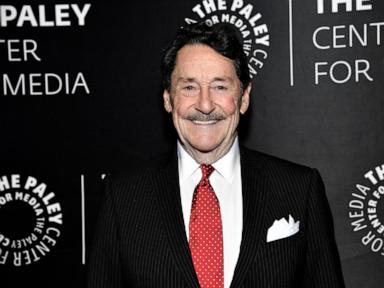
The Lido is burning, but the festival aristocracy would rather point fingers at the tech billionaires outside the gates than fix the roof.
When the Venice Film Festival rolls out the red carpet for films targeting Rupert Murdoch and Elon Musk, critics swoon. They call it vital cinema. They frame it as a brave defense of truth, art, and democracy against the titans of media and tech.
It is none of those things.
It is cheap, risk-free moral posturing designed to distract you from a brutal reality: the traditional film ecosystem is collapsing, and the people drinking Aperol Spritzes on the Italian coastline are out of answers.
The Safest Targets on the Planet
You do not need courage to attack Rupert Murdoch in 2026. You do not need bravery to make a documentary mocking Elon Musk.
These men are the default punching bags of modern media. Critiquing them in front of a tuxedo-clad audience in Venice is about as dangerous as booing a cartoon villain in a pantomime. It guarantees glowing headlines, approving reviews from festival trade rags, and a warm sense of moral superiority for everyone involved.
Where is the risk? Who is taking a real financial or artistic gamble here?
Notice who isn't getting targeted on the Lido.
Where are the scathing, high-budget festival darlings dismantling the predatory streaming algorithms that starved writers and actors for a decade? Where are the cinematic hit jobs on the private equity firms currently buying up independent distributors and squeezing the life out of arthouse theaters?
They don't exist. Because those are the companies paying for the afterparties.
It is easy to throw stones at Musk and Murdoch. Their sins are loud, public, and already dissected on X and Fox News every hour of the day. But when a festival pretends that screening a film about them constitutes serious political rebellion, it isn't art. It’s PR protection for an industry terrified of looking in the mirror.
The Gatekeepers Are Projecting
Let us dismantle the core premise of this festival outrage.
The narrative goes like this: legacy media barons like Murdoch corrupted public discourse, while tech moguls like Musk destroyed digital town squares. Film, supposedly, remains the last bastion of human empathy and nuanced truth.
Look at the actual mechanics of the film festival system.
Venice, Cannes, and Sundance are not democratic public squares. They are hyper-exclusive, aristocratic bottleneck operations.
- The Access Gap: If you are an unrepresented filmmaker without a foreign sales agent or a million-dollar PR campaign, good luck getting past the programmers.
- The Financial Wall: Attending Venice costs thousands of dollars in travel, badges, and lodging—pricing out the very working-class voices the industry claims to champion.
- The Echo Chamber: Films are bought, sold, and validated by a tiny cabal of executives who live in the same three zip codes and share the exact same worldview.
Musk and Murdoch built empires by capturing massive, neglected audiences. Murdoch realized millions of working-class viewers felt ignored by mainstream networks. Musk realized the legacy auto and aerospace industries were asleep at the wheel. Love them or hate them, they built distribution systems that scaled to billions of people.
Meanwhile, prestige cinema spent two decades retreating into an insular bubble. Now, as theatrical attendance stagnates and independent film financing evaporates, the festival elite blames tech platforms for ruining culture.
They aren't angry because Murdoch or Musk are dangerous. They are angry because Murdoch and Musk proved that legacy cultural institutions no longer hold a monopoly on public attention.
The Distraction Strategy
I have watched production companies burn millions chasing the festival circuit dream. I have sat in development meetings where executives greenlight preachy, topically "safe" documentaries specifically because they know a festival director in Europe will pick it up for a vanity premiere.
It is a vanity trap.
While film festivals spend their energy staging debates about media moguls, the foundational architecture of film is crumbling:
- Distribution is Broken: Premiering at Venice no longer guarantees a theatrical release. Most festival titles end up buried in the dark corners of a streaming service, lost behind a sea of reality TV shows.
- The Audience Moved On: The average 20-year-old does not care about a 90-minute documentary critiquing 20th-century cable news. They are consuming narrative art, investigative journalism, and entertainment directly on decentralized platforms.
- The Business Model is Dead: Financing an independent film now requires a maze of government subsidies, tax credits, and ultra-wealthy patron checkbooks. It is a hobby for the rich masquerading as a business.
Using Musk and Murdoch as villains allows prestige film to pretend it is still relevant to the global conversation. It gives the illusion that a premiere on the Lido has political weight.
It doesn't. It is an echo chamber screaming at a vacuum.
Stop Asking the Wrong Questions
If you want to understand where modern culture is actually being shaped, you have to stop asking the soft questions peddled by legacy festival coverage.
The Wrong Question: "How can cinema hold tech and media titans accountable?"
The Real Question: "Why has cinema surrendered its ability to reach regular people, leaving tech platforms as the only game in town?"
You cannot hold power accountable when nobody outside a film festival is watching your movie.
When a project sets out to "take down" a billionaire on the festival circuit, it usually accomplishes the exact opposite. It validates the billionaire's importance while proving the filmmaker's dependence on the existing institutional setup.
Imagine a scenario where an independent director spent less time seeking the approval of Venice programmers and more time building direct, sovereign distribution networks to reach an audience. That would actually threaten the power structures of modern media. A film screened behind a paywall for press and industry insiders in Italy threatens no one.
How Filmmakers Actually Win in the New Era
If you are a creator, investor, or producer, playing the festival outrage game is a losing strategy. The era of riding a buzzworthy political documentary from Venice to an Oscar campaign and a lucrative theatrical run is over.
Here is how you navigate the real terrain without falling for the Lido illusion.
1. Build Audience Before Production
Do not wait for a festival programmer to validate your project. If you do not have a direct line to your audience via independent channels, email lists, or niche communities, you do not have a project—you have an expensive hobby.
2. Attack the Unspoken Sacred Cows
If your story takes on a villain that the entire media establishment already agrees is bad, you aren't being edgy. You are being compliant. Real narrative power comes from investigating the institutions that your own peers are afraid to touch.
3. Own Your Distribution
Stop treating streaming platforms and sales agents like benevolent guardians. They are debt collectors. Build hybrid models that utilize direct-to-consumer monetization alongside targeted theatrical events.
The Venice Film Festival will continue to run its glossy premieres. The red carpet photos will flood the news feeds. Critics will write thousands of words about how cinema is taking a stand against the oligarchs of the digital age.
And back in reality, those same oligarchs won't lose a single second of sleep.
If cinema wants to matter again, it needs to stop picking easy fights with famous villains and start fixing its own broken house.