Don't celebrate at the pump just yet.
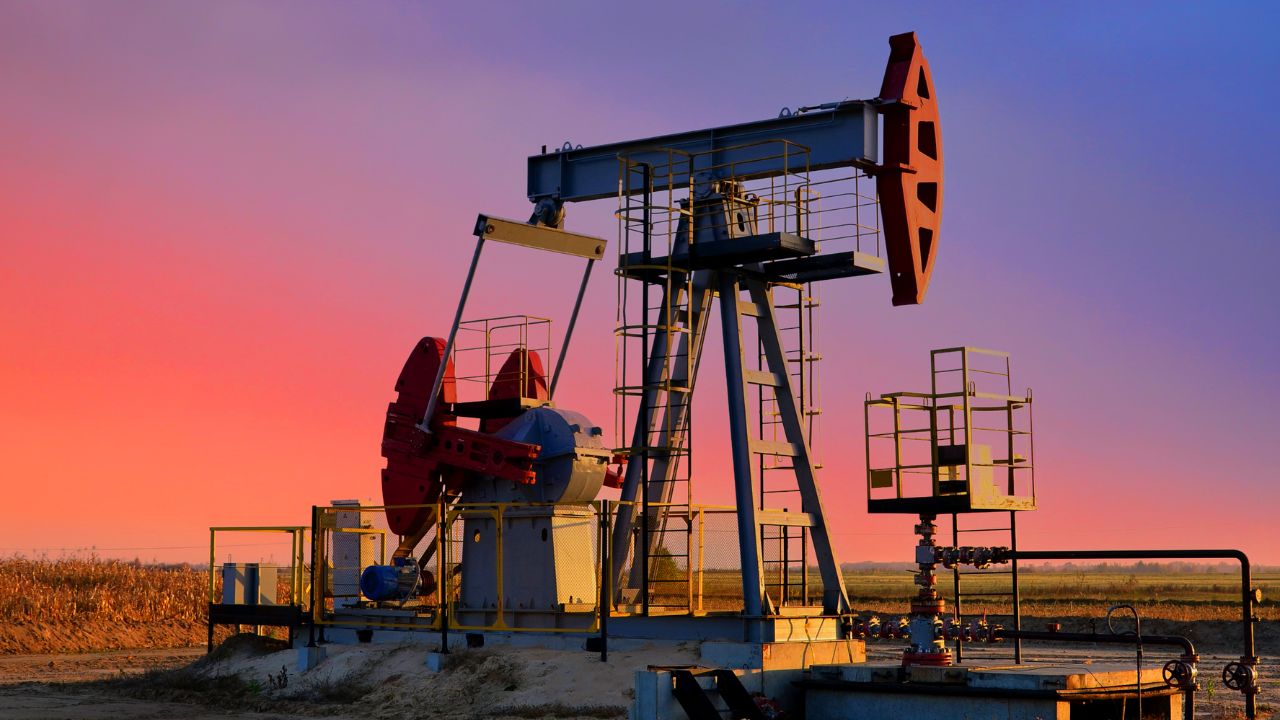
When news broke that President Donald Trump signed an electronic memorandum of understanding with Iranian President Masoud Pezeshkian at the Palace of Versailles, global energy markets threw a party. Brent crude promptly slid down past the $80 mark, settling around $78 a barrel. It feels like a massive relief after nearly four months of a brutal regional war that choked off the Strait of Hormuz and spiked oil up more than 35% to its wartime peak.
But if you think this interim peace deal means an immediate return to the days of cheap fuel, you're misreading the situation. The Islamabad MoU is an incredibly fragile diplomatic experiment. It's a 14-point framework designed to pause the bleeding, not a done deal. While it halts the active conflict that kicked off back on February 28, the road to actually getting millions of barrels of crude back into the global economy is packed with operational, political, and financial landmines.
The Reality Behind the Versailles MoU
What actually happened over dinner with French President Emmanuel Macron wasn't a final peace treaty. It was a 60-day extension of a temporary ceasefire meant to kick off intense technical and nuclear negotiations. Trump likes to market this as a massive win that averted global economic catastrophe, but the text tells a much more complicated story.
Here is what the interim agreement actually locks in right now:
- Immediate Blockade Lift: The US agreed to pull back its naval blockade of Iranian ports, and Iran promised to instantly start reopening the Strait of Hormuz.
- The 60-Day Window: This is a strict time limit for both nations to thrash out a permanent nuclear agreement and settle regional stability issues.
- Uranium Dilution: Iran has to dilute its massive stockpile of enriched uranium on-site under strict International Atomic Energy Agency supervision.
- The $300 Billion Reconstruction Carrot: A massive fund backed by regional partners is on the table for Iran's economy, but it only triggers if a final, binding deal is signed.
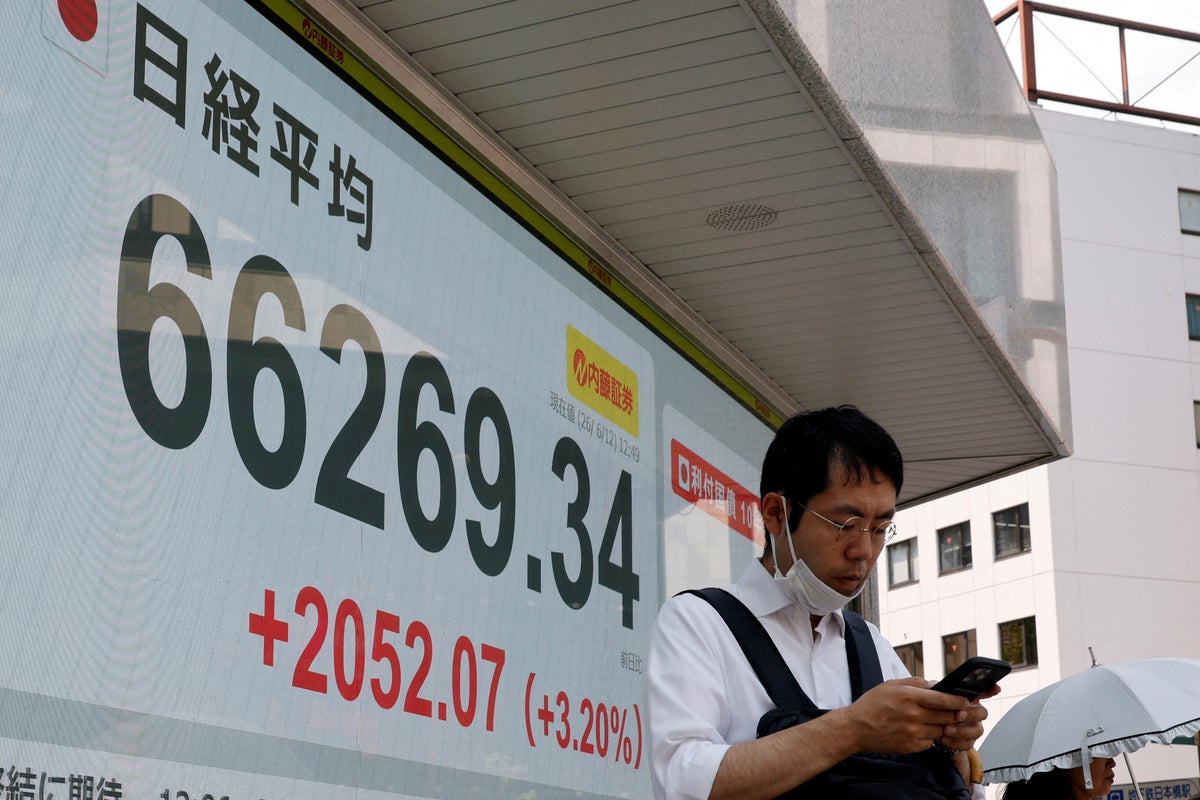
The immediate market reaction was purely psychological. Traders saw Trump signing the paper and rushed to dump their long positions, crashing the Dubai market structure into its biggest contango since the pandemic. A market in contango means prompt prices are cheaper than future deliveries, a classic sign of expected oversupply.
But psychology doesn't pilot oil tankers.
Why the Supply Wave is Stuck in Neutral
Wall Street analysts are already split on how fast this crude hits the water. Goldman Sachs aggressively updated its model, predicting Persian Gulf exports will hit pre-war levels by the end of July. Morgan Stanley is a bit more cautious, modeling that 50% of production will return by September and 80% by December.
Honestly, even those conservative estimates feel overly optimistic. You can't just flip a switch on a global shipping chokepoint that has been a literal war zone for months.
Consider the physical reality of the Strait of Hormuz. Right now, analytics firms like Kpler report about 118 fully laden oil tankers trapped inside the Persian Gulf. Sure, those specific ships can probably clear out within 10 to 15 days once the transit lanes open. That will give global supply a temporary, artificial spike.
But what happens next? Shipping executives and maritime insurers are terrified. The waterway needs extensive sweeping to neutralize naval mines and remove technical debris left over from the conflict. Furthermore, Iran previously floated the idea of charging heavy tolls or service fees for ships crossing the strait. While the MoU mandates toll-free transit for the next 60 days, nobody knows what happens on day 61. Insurers aren't going to underwrite billion-dollar fleets entering a questionably cleared waterway without charging massive premium surcharges. Those extra costs get passed straight down to consumers.
Trump's Midterm Gamble and the Political Backlash
Let's look at the timing. This sudden rush to sign a framework deal isn't happening in a vacuum. Trump is staring down critical midterm elections this November, and skyrocketing inflation driven by the energy crisis was turning into a political nightmare. By signing this deal, he gets to claim credit for dropping oil back under $80.
But this strategy has created a fierce domestic backlash. Iran hawks in the Republican Party, led by Senator Lindsey Graham, are furious. Critics argue that the administration is offering massive concessions—like terminating UN Security Council sanctions and letting Iran keep its 9,000kg uranium stockpile on-site rather than exporting it—just to secure temporary economic relief. Under US law, any final nuclear agreement has to pass a congressional review and a formal vote. Given the current political division, a permanent deal passing Congress is far from guaranteed.
Then there is the wild-card factor of Trump himself. Hours after signing the text, he publicly reminded everyone that the deal isn't final, warning that the US could go right back to dropping bombs if Tehran doesn't behave. That single comment caused Brent crude to instantly spike back up to $82 before settling down again. When the guy who signed the deal is already talking about tearing it up, it builds a massive volatility premium right back into the price of oil.
The Long-Term Shock to Global Energy Strategy
Even if the peace holds and the negotiations in Switzerland go perfectly, the structural damage to global energy systems is already done. RBC Capital Markets analysts point out that peak Hormuz flows might permanently be in the rearview mirror. This crisis forced Western governments to aggressively deplete their emergency reserves. The US Strategic Petroleum Reserve is currently sitting at its lowest level since 1983.
Governments are going to spend the next few years buying up oil just to replenish those depleted inventories, keeping a solid floor under global demand even as production recovers.
Interestingly, the International Energy Agency dropped its June report right in the middle of this diplomatic breakthrough. The IEA projects that by 2027, global oil supply will surge to 110.3 million barrels per day as Gulf production fully stabilizes, creating a massive supply surplus against an expected demand of 105.3 million barrels.
So yes, a massive glut is likely coming in a few years. But right now, in mid-2026, we are stuck in a volatile transition period.
Your Next Practical Steps
If you run a business dependent on transport logistics, manage a fleet, or just want to protect your personal budget from energy shocks, don't change your strategy based on this week's headlines.
- Keep Fuel Hedges Locked In: If you hedge energy costs, don't unwind those positions just because crude dipped below $80. The 60-day negotiation window means we will see massive price swings every time a rumor leaks from the Swiss summit.
- Budget for Sticky Logistics Costs: Shipping surcharges and maritime insurance rates will take months to normalize. Expect supply chains running through the Middle East to remain expensive through Q3.
- Watch the Mid-August Deadline: Mark your calendar for 60 days from now. If the US and Iran haven't made measurable progress on a final nuclear text by mid-August, expect oil prices to violently snap back into the $90s as the threat of renewed blockades returns.
Diplomacy bought the world economy some breathing room, but the energy crisis is far from over. Treat this drop below $80 as a temporary window of stability, not a permanent return to normalcy.