Silence in a hospital corridor has a specific texture. It is not peaceful. It is pregnant with waiting, heavy with the quiet ticking of monitors and the muffled footsteps of nurses carrying grief and hope in equal measure.
Most of us never see the machinery that keeps those corridors running. We see the white coats. We smell the antiseptic. We hold the hand of someone we love as the world narrows down to the steady beep of a heart rate monitor. But behind those walls, a different kind of battle takes place. It is a war fought in Petri dishes, under high-powered microscopes, and across the glowing screens of statisticians tracking cellular mutation. Learn more on a similar issue: this related article.
And that war is perpetually, desperately underfunded.
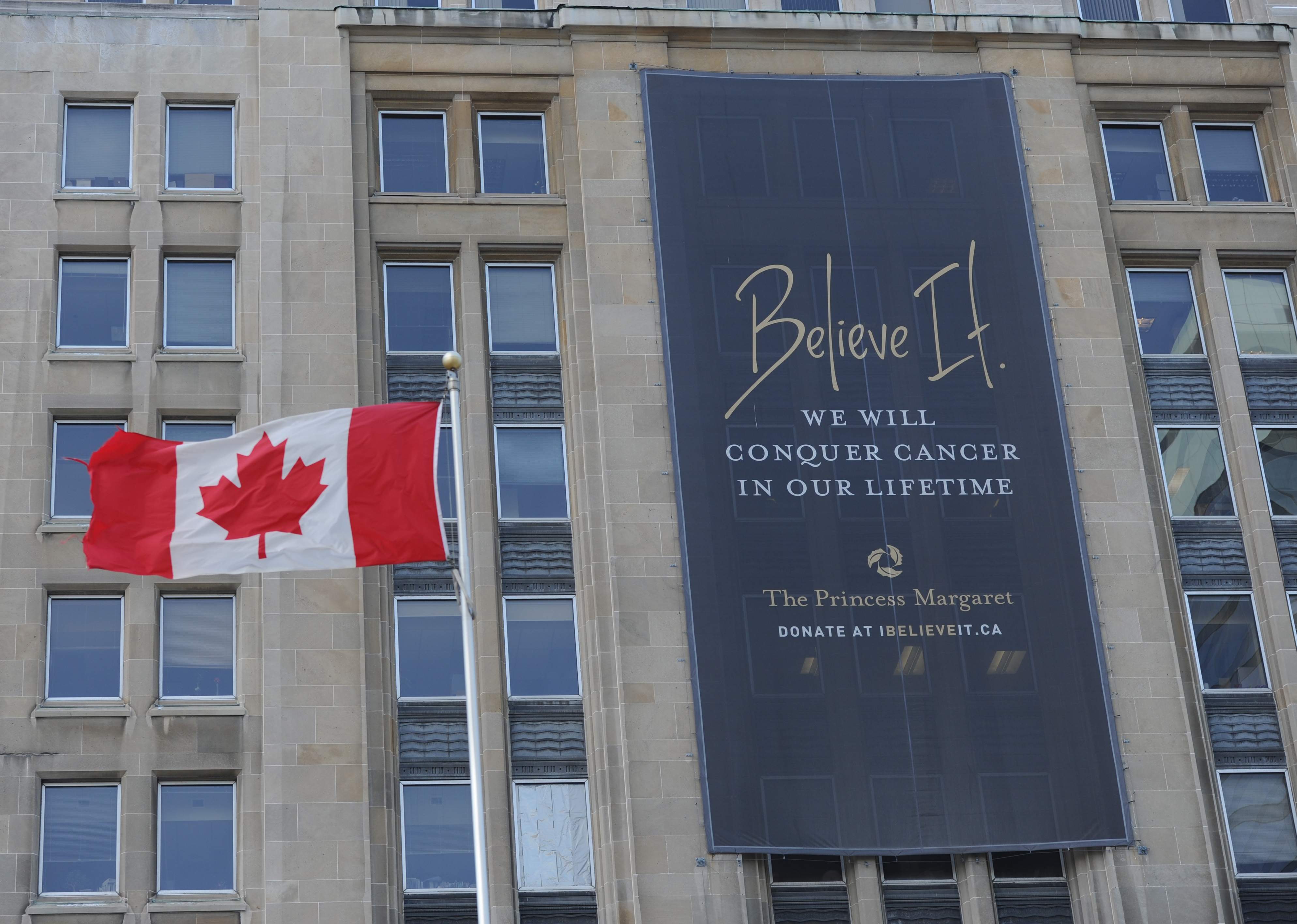
Then, a ghost walks into the room. Or rather, a number appears on a ledger. One hundred million dollars. An anonymous gift, dropped like a boulder into the quiet waters of the Princess Margaret Cancer Foundation. Additional journalism by WebMD delves into comparable views on the subject.
To understand what that number means, you have to abandon the abstraction of big finance. A million dollars sounds like a lot. A hundred million sounds like an abstraction, a string of zeros fit for a headline and little else. But in the ecosystem of medical research, numbers like this do something extraordinary. They buy time. They buy focus. They allow a scientist who has spent a decade chasing a single protein fold to stop worrying about whether their grant will be renewed next quarter.
Consider what happens inside a research lab on a Tuesday afternoon.
Dr. Aris Vance—a hypothetical name for a very real kind of person—stands over a centrifuge. His coffee is cold. He hasn't slept more than five hours in three days. He is tracking a rare form of leukemia that disproportionately attacks young adults, turning their own bodies into a hostile country. For years, his lab has operated on a shoestring. Every piece of equipment is a hand-me-down. Every graduate student is overworked, balancing research with frantic applications for piecemeal funding.
The bottleneck in cancer research is rarely human brilliance. It is resources.
When an anonymous benefactor hands an institution a nine-figure check, the shockwave hits laboratories like Aris's first. The equipment upgrades from vintage to state-of-the-art. The clinical trials that were stalled in bureaucratic limbo suddenly find themselves staffed, funded, and moving forward with terrifying speed.
It is easy to view philanthropy through a cynical lens. We live in an era that looks for the angle, the tax shelter, the hidden PR campaign. But anonymity strips away the vanity. When someone gives away one hundred million dollars without attaching their name to a wing, a plaque, or a glowing bronze bust, something else takes over. Pure impact.
Cancer does not care about your portfolio. It does not respect your politics, your net worth, or your social standing. It is an equal-opportunity thief. It arrives without warning, rearranging family dinners, shattering futures, and leaving behind rooms that are entirely too quiet.
When a foundation like Princess Margaret receives a windfall of this magnitude, it transforms from a regional treatment center into an engine of global discovery. The money goes toward personalized medicine—the holy grail of modern oncology. Instead of treating a lung tumor as a lung tumor, doctors can sequence the tumor's specific genetic signature, targeting its unique vulnerabilities while leaving healthy tissue untouched.
It sounds clinical. It sounds detached. But translation: it means a father gets to see his daughter graduate from college. It means a teenager gets to grow up, forget the smell of chemotherapy, and complain about normal teenage things.
We talk about healthcare as a system, a policy debate, an economic burden. We argue over budgets in sterile government chambers thousands of miles away from the smell of hospital corridors. But at its core, healthcare is deeply, violently human. It is about fear, and it is about the desperate hope that someone, somewhere, is smarter than the disease.
The hundred million dollars didn't come with instructions. It came with trust.
In the coming years, that money will fund trials that fail. That is the brutal math of science. Ninety-nine doors will lead to dead ends. But the hundredth door—the one illuminated by better microscopes, faster sequencing, and brilliant minds unburdened by financial panic—will open.
And on the other side of that door, the silence in the hospital corridor changes. It stops being a place of waiting. It becomes a place of departure.