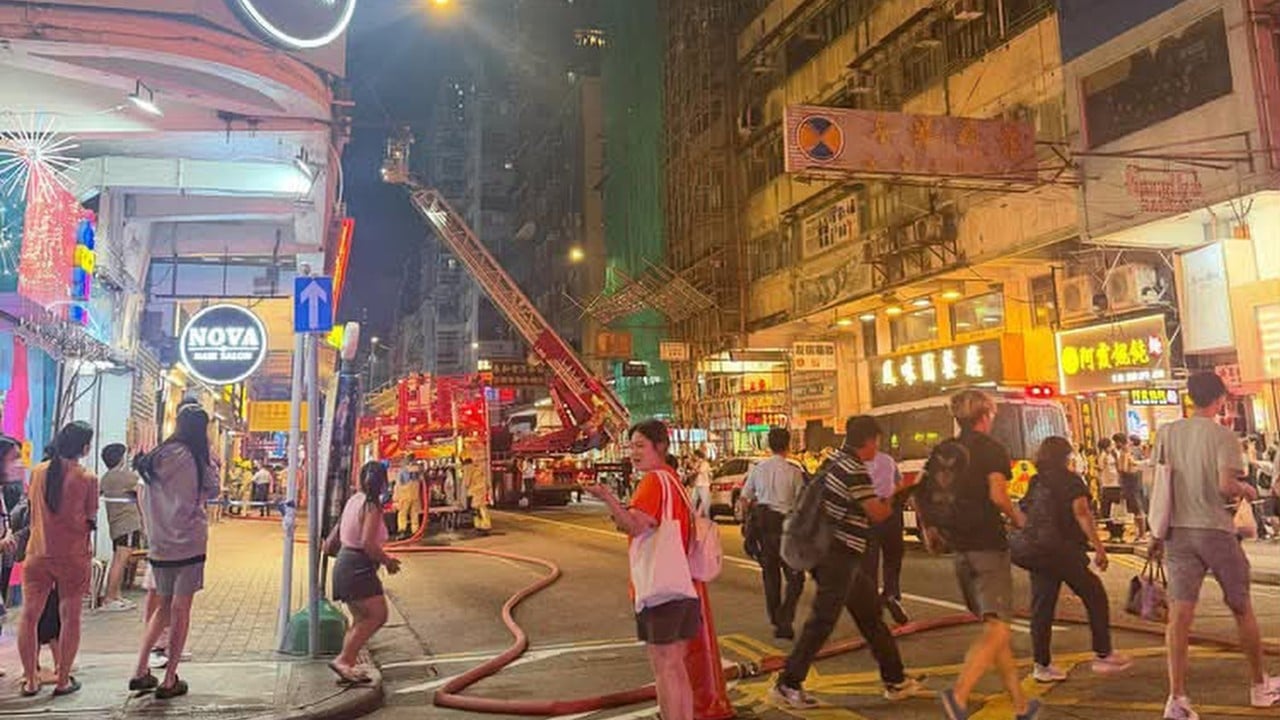
Illegal electrical bypasses in multi-tenant residential structures create unmanaged thermal hazards, bypass upstream safety interlocks, and obscure legal accountability until catastrophic failure occurs. The fatal residential fire in Hong Kong—where five domestic animals perished due to unauthorized power extraction—illustrates a predictable systemic progression: unmonitored load spikes generate junction overheating, structural insulation degrades, and localized fires erupt within spaces lacking auto-extinguishing systems or primary circuit protections.
Deconstructing this failure requires examining the physical mechanics of power theft, the cascading vulnerabilities of high-density housing grid interfaces, and the legal enforcement gaps that allow illicit diversions to operate undetected until thermal runaway occurs. Meanwhile, you can find other events here: Why Western Human Rights Statements Fail the Uyghurs Every Single Time.
The Physical Mechanics of Utility Theft and Thermal Runaway
Power theft in residential environments relies on bypassing the utility meter or tapping directly into main riser cables upstream of localized distribution boards. These illicit modifications introduce three primary structural failure vectors into a building's electrical architecture.
Impedance Mismatches and Resistance Heating
Unauthorized splices typically bypass standardized distribution blocks, relying on informal mechanical joins such as twisted wires, non-rated clamps, or taped splices. These non-engineered connections introduce high contact resistance. According to Joule's First Law, thermal dissipation across a junction scales directly with resistance ($P = I^2 R$). As residential load increases—driven by high-draw appliances or multi-unit sub-metering—the junction temperature rises exponentially. Without engineered heat sinks or rated terminal blocks, localized insulation undergoes rapid pyrolysis. To see the full picture, check out the recent analysis by TIME.
Elimination of Overcurrent Protection Devices
Standard residential distribution panels utilize Miniature Circuit Breakers (MCBs) and Residual Current Devices (RCDs) calibrated to strip power when current draws exceed conductor ratings or when ground fault leakage occurs. Direct taps made upstream of the consumer unit bypass these protection devices entirely. When an overload occurs, no localized breaker trips. The conductor continues to draw current until reaching the melting point of copper or igniting adjacent combustible structural materials.
Conductor Overheating and Insulation Breakdown
Illicit wiring runs often utilize undersized conductors to minimize visibility during installation. When high-amperage loads pass through unrated gauge wiring, resistive heating degrades the Polyvinyl Chloride (PVC) or Cross-linked Polyethylene (XLPE) jacket. This degradation follows a compounding cycle:
- Thermal stress causes plasticizers in the insulation to volatilize and embrittle.
- Micro-fractures develop along the wire jacket due to thermal expansion and contraction cycles.
- Exposed core wires short-circuit against structural conduit or adjacent phase wires, generating localized arc flashes exceeding 3,000°C.
Cascading Failures in High Density Residential Grids
Hong Kong’s residential environment represents one of the highest structural density profiles globally. In multi-tenant structures, individual electrical anomalies do not remain isolated; they propagate laterally across shared infrastructural conduits.
[Unrated Utility Bypass]
       │
       ▼
[High Contact Resistance] ──► [Thermal Dissipation (P = I²R)]
       │
       ▼
[Insulation Degradation] ──► [Arc Flash Ignition]
       │
       ▼
[Combustion of Residential Materials] ──► [Enclosed Carbon Monoxide Accumulation]
Residential units operating under illicit power bypasses lack the diagnostic feedback loops built into modern smart grids. Utility providers rely on automatic meter reading (AMR) and distribution transformer load balancing to detect losses. When theft occurs prior to the meter, transformer-level metering registers non-technical loss (NTL), but pin-pointing the exact physical location requires manual line tracing across private property boundaries—a procedural bottleneck that extends exposure time.
When ignition occurs within an unattended or unventilated flat, smoke and toxic combustion byproducts accumulate rapidly. In the Hong Kong incident, carbon monoxide accumulation and thermal atmospheric depletion within an enclosed environment caused the deaths of five pets prior to external suppression efforts. High-density residential compartments act as pressure vessels during interior fires; incomplete combustion generates dense gases that move through shared utility chases, threatening adjoining units before flames penetrate structural walls.
Regulatory Deficits and Liability Mechanisms
The legal framing surrounding power theft frequently treats the offense as a property crime against the utility provider rather than a critical public safety breach. This distinction fundamentally misaligns risk management priorities.
The Enforcement Gap
Utility inspectors possess regulatory authority to audit meters, but lack immediate right-of-entry into private residential compartments without judicial warrants or emergency exigent circumstances. Property management companies frequently defer electrical infrastructure oversight to the main service line, leaving internal distribution lines in grey zones of jurisdictional enforcement. This operational void allows illegal taps to remain active for extended periods.
Criminal Accountability Frameworks
When power theft results in loss of life or property destruction, prosecutor frameworks transition from statutory utility fraud to reckless endangerment, manslaughter, or arson-related charges. Establishing direct causality requires forensic reconstruction of the burned electrical assembly to prove that:
- The physical bypass was deliberately installed by or under the direction of the occupant.
- The bypass was the primary point of thermal ignition rather than a secondary artifact of the fire.
- The occupant knew or reasonably should have known that bypassing circuit protection created an immediate fire risk.
Institutional Controls and Systemic Risk Reduction
Relying on post-disaster criminal prosecution fails to mitigate the ongoing risk of structural fires caused by illegal grid interventions. Remediation requires structural changes to monitoring and building compliance protocols.
Municipalities must reclassify non-technical loss investigations from financial audits to life-safety inspections, granting technical teams rapid-access protocols when localized distribution transformers show unexplained amperage discrepancies. Building codes must mandate high-sensitivity thermal imaging audits for communal electrical risers during mandatory annual inspections. Utility grids must deploy micro-distribution monitoring at the floor-level junction rather than relying solely on central substations, enabling automated isolation of anomalous lines before conductor temperatures reach ignition thresholds.


