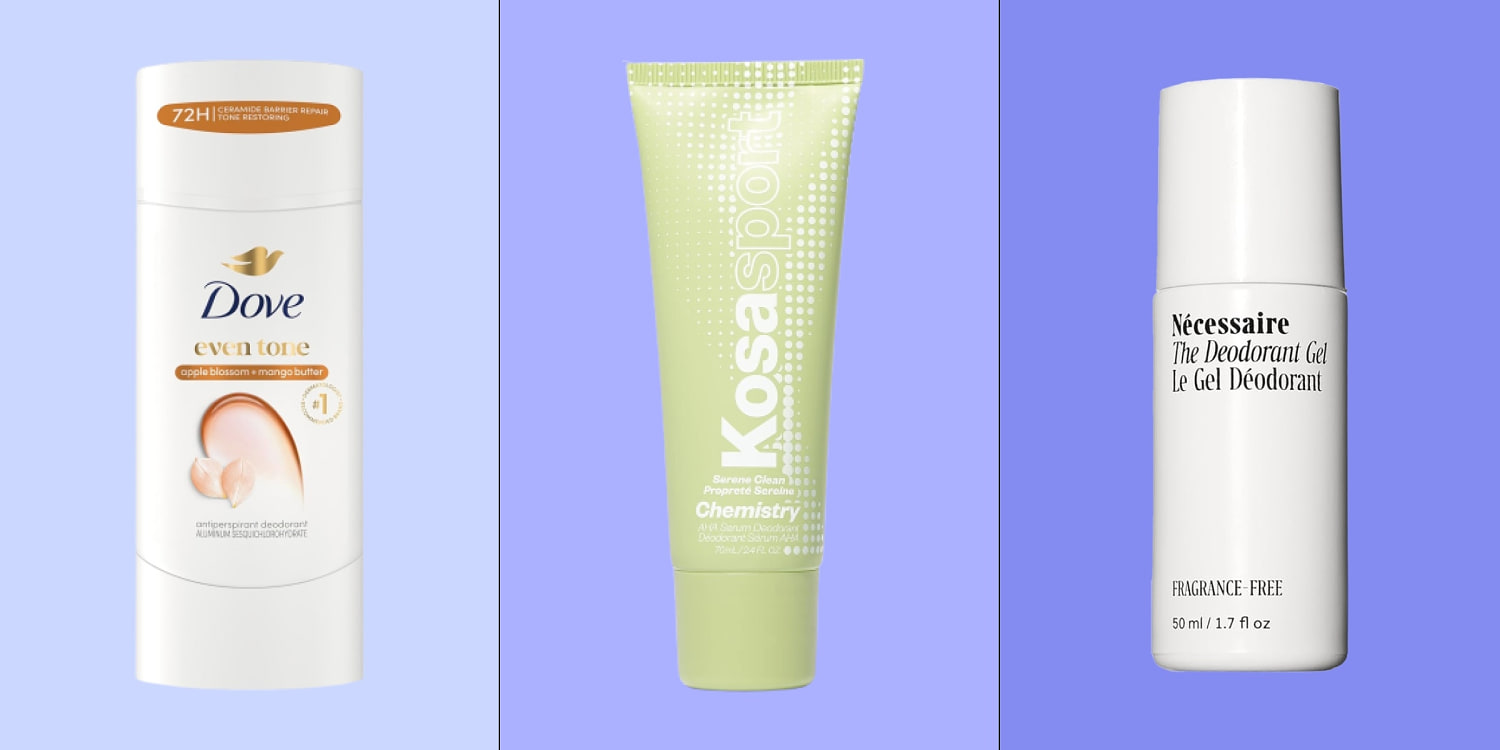
You shave, you sweat, you swipe on a random drugstore stick, and six months later you look in the mirror and wonder why your underarms look bruised or permanently shadowed. It's frustrating. Hyperpigmentation in the armpits isn't a personal hygiene failure. It's a localized inflammatory response.
Most people treat armpit darkness like normal skin on their legs or arms, slathering on harsh scrubs or ignoring the ingredient list of their daily antiperspirant entirely. That approach makes things worse. Friction, micro-tears from shaving, and chemical irritation trigger excess melanin production. If you want actual results, you have to swap your standard deodorant for a formula built with active skincare ingredients. If you enjoyed this article, you might want to check out: this related article.
Here is what works, what to avoid, and why brightening deodorants are changing the standard morning routine.
Why Regular Deodorants Cause Discoloration
Let's talk about the root cause. Your underarm skin is thin, delicate, and packed with sensitive sweat glands. Every time you drag a dull razor across dry skin or apply a heavy fragrance stick loaded with denatured alcohol, you create micro-inflammation. For another angle on this development, see the recent update from National Institutes of Health.
Your skin defends itself by producing melanin. Over time, that constant cycle of irritation and pigment production leads to post-inflammatory hyperpigmentation.
Traditional antiperspirants also rely heavily on aluminum salts to plug sweat ducts. While effective for sweat control, aluminum combined with synthetic fragrances can trap debris and cause contact dermatitis. If your skin stays irritated every single day, it stays dark. It's a simple cause-and-effect loop.
The Active Ingredients That Move the Needle
If you want to clear dark spots, your deodorant needs to double as a targeted serum. Look at the back of the bottle before you buy. Skip the marketing fluff on the front and scan the ingredient deck for these proven compounds.
Niacinamide is a powerhouse for evening skin tone. It blocks melanin transfer to surface cells while repairing your moisture barrier. It won't sting, and it plays nice with sensitive skin.
AHA acids like mandelic, lactic, or glycolic acid gently exfoliate the top layer of dead skin cells. Mandelic acid is particularly brilliant for underarms because its larger molecule size means it penetrates slowly, reducing the risk of irritation. It also tackles the bacteria that cause body odor by lowering the skin's pH.
Vitamin C and kojic acid disrupt tyrosinase, the enzyme responsible for melanin production. Kojic acid comes from fungi and acts fast on stubborn pigment patches.
Licorice root extract and arbutin offer natural, soothing alternatives that suppress pigment without bleaching the skin or causing rebound darkening.
What a Good Brightening Deodorant Looks Like in Practice
You won't find an overnight miracle. Skin cell turnover takes roughly four weeks minimum, and stubborn underarm pigment often requires two to three months of consistent treatment to show a real shift.
When you use an acid-based brightening deodorant, you might feel a mild tingle the first few times. That is normal. If it burns, wash it off immediately. You are treating skin, not punishing it.
You also need to adjust your application habits. Never apply an exfoliating deodorant immediately after shaving. Give your skin at least twelve hours to recover from a razor blade. Shaving creates open micro-wounds, and dumping glycolic acid onto fresh razor burn is a fast track to severe chemical irritation and darker skin.
Spotting Marketing Traps
The beauty industry loves slapping the word "brightening" on products that contain nothing more than lemon essential oil and titanium dioxide. Titanium dioxide is a physical pigment that temporarily makes skin look chalky and white, creating an illusion of brightness that washes off in the shower.
Citrus essential oils like lemon, bergamot, and lime are another trap. While they smell fresh, many of them are phototoxic. If sunlight hits your underarms after applying a citrus-heavy formula, you can trigger severe hyperpigmentation or chemical burns. Read the label. Real active skincare ingredients cost money; cheap fragrance oils do not.
How to Build a Simple Underarm Routine
Fixing discoloration requires a holistic shift in your daily habits, not just a product swap.
Switch to a single-blade safety razor or an electric trimmer to minimize friction and micro-tears. Always use a clear shaving gel or a hydrating conditioner instead of dry shaving.
Apply your brightening deodorant on clean, completely dry skin. If you sweat heavily during workouts, rinse your underarms rather than reapplying layers of product over old sweat and bacteria.
Wear loose-fitting clothes made from breathable natural fibers like cotton or bamboo. Tight synthetic fabrics like polyester trap heat and rub against the skin all day, worsening mechanical friction.
Give your skin time to adjust. Track your progress with photos taken under the same lighting every month. Once the inflammation stops, the pigment lifts.