Commercial shipping in the Black Sea has turned into a high-stakes hazard zone. Ukraine has quietly sent an offer to Russia through an intermediary, proposing a mutual halt to attacks on civilian ships and maritime infrastructure. It is a pragmatic move born out of mounting economic pressure and a collapsing grain export window.
If you look closely at how maritime warfare has evolved over the past year, this proposal isn't entirely surprising. Both Kyiv and Moscow have turned the vital waterway into an arena of drone boats, missile strikes, and economic strangulation. But as global food supply fears mount and shipping insurance rates spike into the stratosphere, the human and financial toll has become unsustainable.
The Reality of the Black Sea Blockade
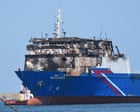
The numbers tell a grim story. Following weeks of intense escalation, the Black Sea region earned a grim reputation as one of the most dangerous commercial shipping lanes on earth. Ukraine has heavily targeted Russian oil tankers—the shadow fleet carrying crude—and military assets around Novorossiysk. In response, Russian ballistic missiles and drone strikes have battered Ukrainian ports like Odesa, hitting grain terminals and foreign-flagged cargo vessels.
The consequence for Ukraine's agricultural sector has been catastrophic. Shipping traffic from Odesa ports plummeted sharply, pushing August grain exports down by roughly 76% compared to the previous year. When cargo vessels can't leave port because crews refuse to risk getting hit by a missile, the local economy bleeds out.
Kyiv's back-channel proposal aims to freeze this specific subset of the conflict. By stopping strikes on civilian cargo ships, merchant sailors can return to work without fearing a sudden drone or missile impact.
Moscow's Calculated Silence
As of mid-August 2026, the Kremlin hasn't officially jumped at the offer. Russian officials, including Deputy Foreign Minister Alexander Grushko, have publicly claimed that while various informal ideas and moratorium suggestions float through diplomatic channels, Moscow has received no formal, binding ceasefire framework.
Part of the hesitation comes down to leverage. Russia's de facto blockade of southern Ukrainian ports remains one of Moscow's most effective pressure points. Halting attacks on civilian shipping means giving up a degree of economic coercion. Furthermore, trust between the two warring nations sits near absolute zero. Past agreements, like the UN-and-Turkey-brokered Black Sea Grain Initiative that collapsed in 2023, proved fragile and short-lived.
At the same time, external actors are heavily influencing the maritime theater. Washington recently leaned on Kyiv to ease up on certain oil logistics, specifically requesting a pause on drone strikes targeting facilities tied to Kazakh crude exports moving through Novorossiysk. Ukraine complied with those specific requests to protect broader alliances, showing that targeted truces in maritime sectors are entirely possible when pressure is applied correctly.
What Happens to Global Food Security
You might wonder why a regional shipping squabble matters outside of Eastern Europe. The answer is simple: food prices. Ukraine and Russia are agricultural powerhouses, supplying massive portions of the world's wheat, corn, and sunflower oil.
When commercial vessels are forced to sit idle or face destruction, global markets react instantly. Insurance premiums for entering the Black Sea skyrocketed, making voyages economically unviable for many independent shipowners. Turkish Foreign Minister Hakan Fidan noted that broader proposals for a regional maritime moratorium have circulated widely among mediators because everyone recognizes the looming threat to international supply chains.
Without a formal agreement to spare civilian merchant vessels, global food markets will continue to experience wild volatility every time a port takes a hit. Ukraine's overture puts the ball squarely in Moscow's court. Whether the Kremlin chooses to prioritize a fragile economic breather or press its military advantage will shape the next phase of the war at sea.