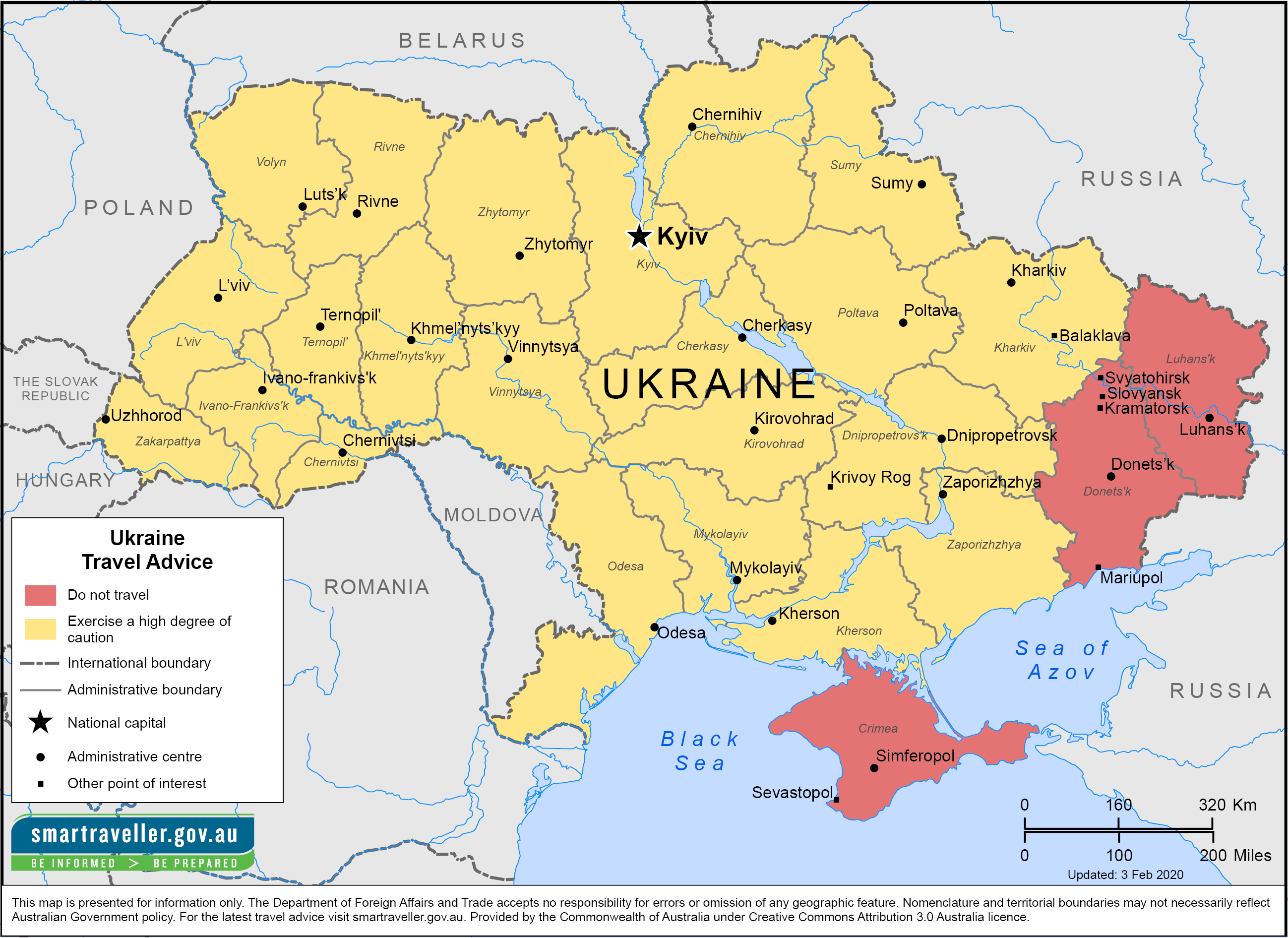
When President Volodymyr Zelenskyy signed off on a fresh wave of long-range operations, he wasn't just reacting to the latest barrage of Russian missiles. He was doubling down on a core military doctrine that has fundamentally reshaped this war. Kyiv isn't waiting to absorb blows anymore. Instead, Ukrainian military leadership is shifting the burden of the conflict back onto Moscow's logistics, airfields, and energy infrastructure.
The announcement followed high-level briefings with Defense Minister Yevhen Khmara and Commander-in-Chief Mykhailo Drapatyi. Behind closed doors, the focus wasn't just on defensive holding patterns. It was about scaling up domestic missile and drone manufacturing to hit targets thousands of kilometers away. In other developments, read about: The Bolt That Decided to Let Go.
The Shift Toward Long-Range Attrition
For a long time, the public narrative around the war focused entirely on the brutal trench lines in the east. But the real evolution is happening thousands of meters up in the sky and deep inside Russian territory. Ukraine's strategy relies on what officials frequently call long-range sanctions. When economic and diplomatic sanctions fail to cripple the Kremlin's war machine fast enough, Kyiv uses domestically produced cruise missiles and heavy-range drones to do the job physically.
Take the recent operations targeting Russian oil refineries, military airbases, and supply depots. These aren't random retaliatory acts. They are calculated economic disruptions designed to starve the Russian front lines of fuel and ordnance. When a major fuel depot goes up in flames near Moscow or deep within border regions, the ripple effects hit Russian armored columns within days. Al Jazeera has provided coverage on this fascinating subject in great detail.
Solving the Drone Dilemma
Stopping Russian aerial assaults remains an uphill battle, especially with the continuous onslaught of jet-powered Shahed-type drones. These aren't the slow, buzzing prop-driven munitions from earlier in the conflict. They are faster, harder to track, and notoriously difficult for traditional mobile fire groups to intercept.
Ukraine's answer has been a frantic race to innovate. Recent combat tests of domestically developed interceptor systems have shown genuine promise. While interception rates for standard drones sit at higher thresholds, countering jet-powered variants has required entirely new engineering solutions. By deploying specialized interceptors that successfully downed advanced models like the Geran-5, Ukrainian engineers are proving that local defense tech can adapt faster than foreign supply chains can stall.
What Comes Next on the Ground
Expanding these capabilities requires more than hardware. It demands a complete overhaul of how the military recruits, trains, and integrates foreign fighters, alongside modernizing medical forces based on grueling combat lessons. Every successful operation in Russian airspace is backed by months of quiet logistical pivoting.
As winter approaches, the stakes climb higher. Russia continues to target critical civilian infrastructure and energy grids, aiming to freeze out resistance. Kyiv's counter-strategy relies on making the cost of those strikes unbearable for Moscow's domestic economy. By expanding deep-strike parameters and refining air defense networks, Ukraine is attempting to rewrite the rules of modern attrition warfare before the snow settles.