Democracy doesn't take a coffee break just because enemy tanks roll across the border. At least, that is the explosive argument coming out of Kyiv right now.
Former Defense Minister Mykhailo Fedorov just dropped a massive political grenade. After getting unceremoniously pushed out of his post, he didn't just walk away quietly. Instead, he went on video and demanded something nobody in Ukrainian mainstream politics dared touch since the full-scale invasion began in 2022: a wartime presidential election.
If you've been following the political turbulence in Eastern Europe, you know this shatters a long-held taboo. President Volodymyr Zelenskyy's administration has operated under martial law, which legally pauses national ballots. But Fedorov's public broadside changes the entire chessboard. It exposes raw fractures at the top of Ukraine's government, turning a quiet administrative reshuffle into an open political war.
The Breaking Point Behind the Ousting
You cannot understand Fedorov's sudden push for a vote without looking at why he lost his job in the first place. Appointed to overhaul the defense ministry and clean up multi-billion dollar procurement systems, the 35-year-old former digital transformation wizard lasted barely six months.
His abrupt dismissal triggered street protests in Kyiv. Citizens and veterans marched because they felt blindsided by opaque personnel moves. Fedorov himself rejected subsequent offers to take other government roles, claiming they lacked the real authority needed to drive systemic reform.
Instead of accepting a sidelined position, he took his grievances straight to the public. In a nine-minute address, he didn't just target military leadership; he went after a systemic crisis of governance. He argued that internal corruption and closed-door decision-making are actively hurting the war effort.
Why Democracy Cannot Wait for Peace
The core of Fedorov's argument is simple. If the war drags on for years, who decides when citizens get to choose their leaders?
- The Russian Veto: Fedorov pointed out that letting Moscow dictate the timeline of Ukrainian democracy means handing Vladimir Putin a permanent veto over the nation's internal political life.
- The Long-War Horizon: With no definitive end in sight, postponing accountability indefinitely risks building the exact kind of rigid, unaccountable state structure Ukrainians are fighting to escape.
- Core Values: The defense of a sovereign European state relies on protecting the democratic process itself, rather than treating civil rights as mere peacetime luxuries.
Critics within Zelenskyy's party immediately blasted the move. Lawmakers argued that holding a chaotic national campaign while bombs fall would only hand a propaganda victory to the Kremlin. They claim a fractured political climate would paralyze the legislature and distract commanders when focus is most needed.
Navigating the Logistics Maze
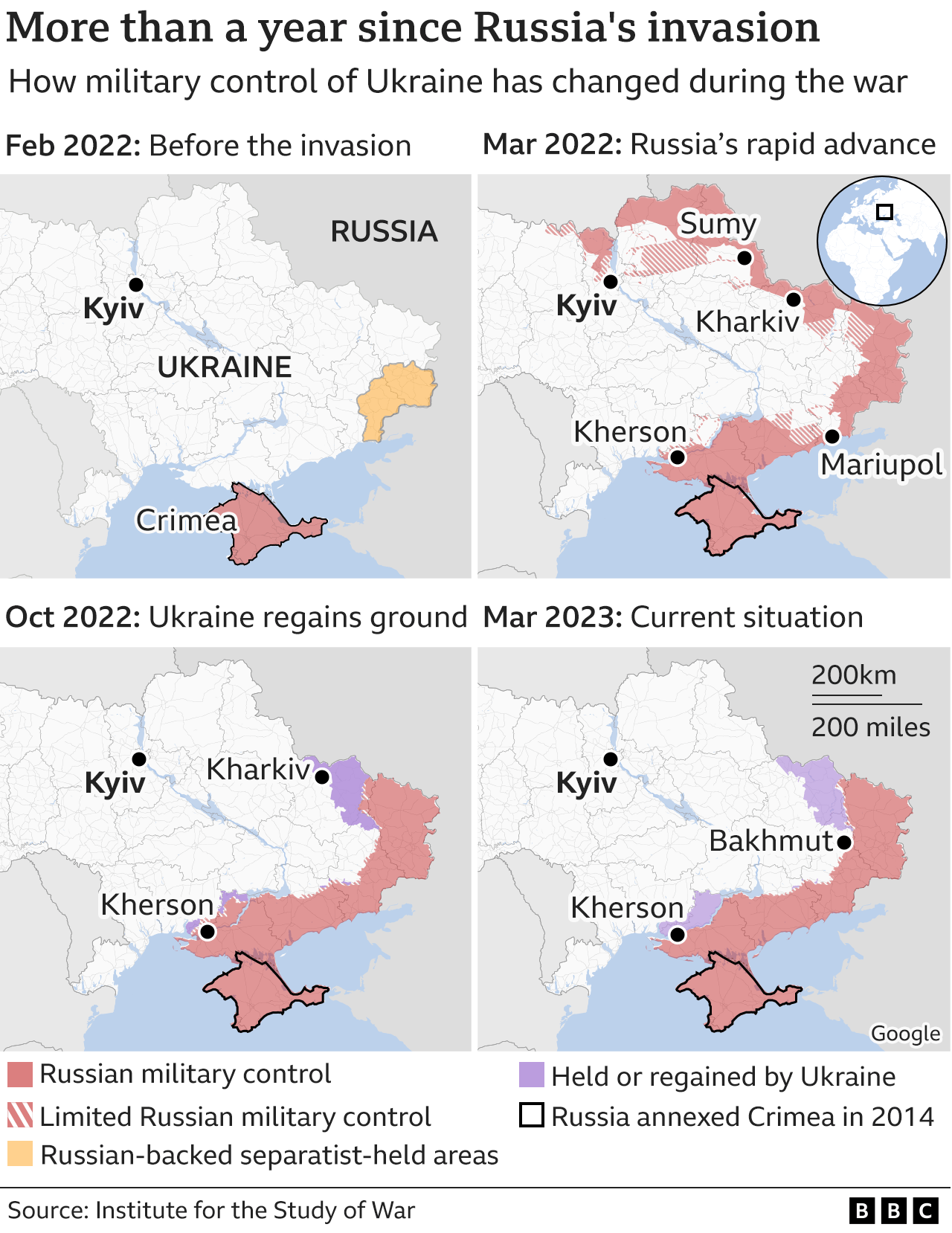
Logistics present a nightmare scenario for anyone trying to organize a national poll under current conditions. Millions of citizens live abroad as refugees. Hundreds of thousands of active-duty soldiers sit in muddy trenches along a brutal active front line. Entire regions remain contested or occupied.
Fedorov acknowledges these hurdles but insists they are not insurmountable. He calls for a pragmatic, secure framework that guarantees voting rights for displaced families, frontline troops, and citizens living under constant threat. Complexity, in his view, is just an excuse used by entrenched bureaucrats who are terrified of losing power.
What Happens Next in Kyiv
The political fallout is only beginning. With parliament moving to confirm new leadership at the defense ministry, public frustration remains palpable. Opinion data hints that a clean political challenge could shake up the status quo drastically if voters ever get the chance to cast ballots.
Zelenskyy's office faces a delicate balancing act. Suppressing internal dissent too aggressively risks validating claims of authoritarian drift, while ignoring it leaves a gaping vulnerability open for political rivals to exploit.
Keep a close eye on how civil society and military leadership respond to this pressure in the coming weeks. The debate over wartime accountability is out in the open, and closing Pandora's box will take more than executive orders.