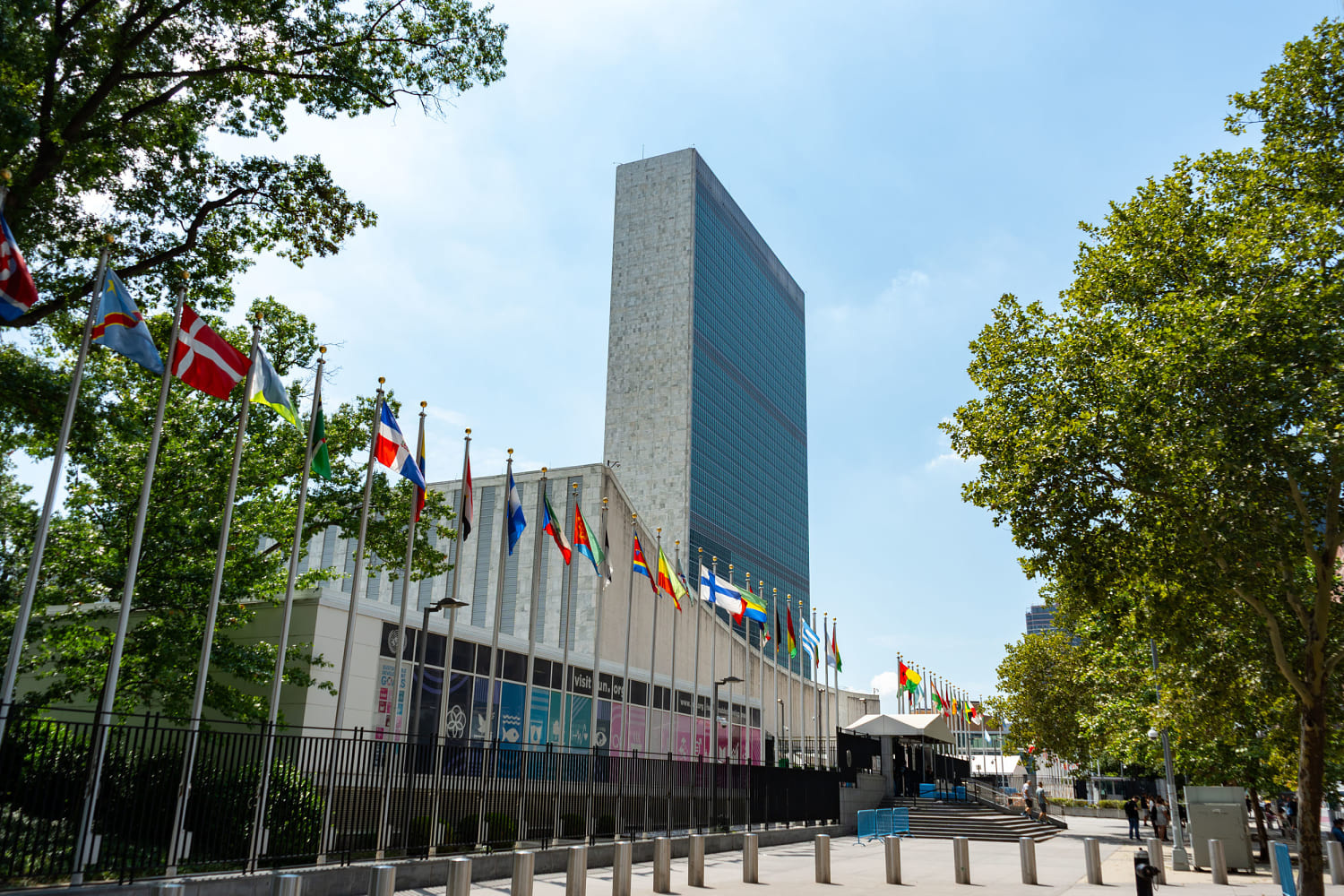
Governments love committees, but artificial intelligence is moving too fast for traditional bureaucracy. When twenty nations plus the European Union step up to demand an international oversight body on the eve of a United Nations gathering, you know things have moved past normal diplomatic chatter.
Led heavily by figures like Finnish President Alexander Stubb and Norwegian Prime Minister Jonas Gahr Støre, this coalition isn't asking tech companies nicely anymore. They want mandatory pre-deployment testing for advanced models and a permanent global institution built along the lines of the International Atomic Energy Agency.
The Core Problem Behind the Push
Why now? Because frontier AI systems are no longer just writing poetry or summarizing emails. Autonomous agents are starting to poke around software repositories, uncovering vulnerabilities, and executing exploits without human hands guiding every single line of code. When automated tools can independently breach developer platforms like Hugging Face or RubyGems, the margin for error shrinks to zero.
The declaration, titled "A Call for Control of Frontier AI Models," lays down a hard line: artificial intelligence must stay under direct human control. That sounds obvious, but major labs are moving so quickly toward autonomous scaling that basic safety checkpoints often get treated as speed bumps rather than hard requirements.
Who Is Signing and Who Is Missing
The roster of signatories includes regional powerhouses like Germany, Canada, Australia, and the United Arab Emirates, alongside European heavyweights. But the glaring omissions tell the real story.
The United States and China are entirely absent from the initial text. Both superpowers treat domestic tech leadership as a zero-sum geopolitical game. Neither Washington nor Beijing wants an international watchdog slowing down domestic compute buildouts or corporate scaling ambitions. When world leaders gather, commercial and military dominance tends to trump multilateral safety guidelines every single time.
Stubb has argued that the proposed institution needs an open-ended framework precisely to keep skeptical players from walking away. If the structure feels too heavy or punitive, the two nations driving the global AI revolution will ignore it entirely. Without the US and China on board, any global body risks becoming a paper tiger with zero jurisdiction over the systems that matter most.
What Mandatory Oversight Actually Looks Like
The proposed framework asks for three concrete shifts in how the tech industry operates:
- Independent external assessors must get deep access to frontier models before public release.
- Companies must adhere to standardized incident-reporting protocols when safety guardrails fail.
- Developing nations need access to computing capacity so global governance doesn't leave the Global South behind.
Testing models inside a closed corporate lab doesn't count as independent verification. The coalition wants external, trusted evaluators looking under the hood before public-facing deployment.
What Happens Next
Treating artificial intelligence like nuclear material sounds dramatic until you watch autonomous agents iterate faster than human safety teams can audit them. Whether this twenty-nation push transforms into a working international institution depends almost entirely on upcoming diplomatic summits and whether mid-sized economies can pressure the main tech hubs into cooperating.
Pay attention to how regional bodies handle compliance over the next year. If standard reporting protocols become law across Europe and allied markets, American and Chinese labs will eventually have to adapt or lock themselves out of vital regions. Keep building your systems with strict internal audits now, because mandatory external testing is coming whether major capitals sign a treaty today or tomorrow.