We have all heard some variation of the classic urban legend. If you want to smuggle something past security, just bury it in something thick, dense, or smelly. Peanut butter usually tops the list of supposed masking agents, right alongside coffee grounds and dog treats.
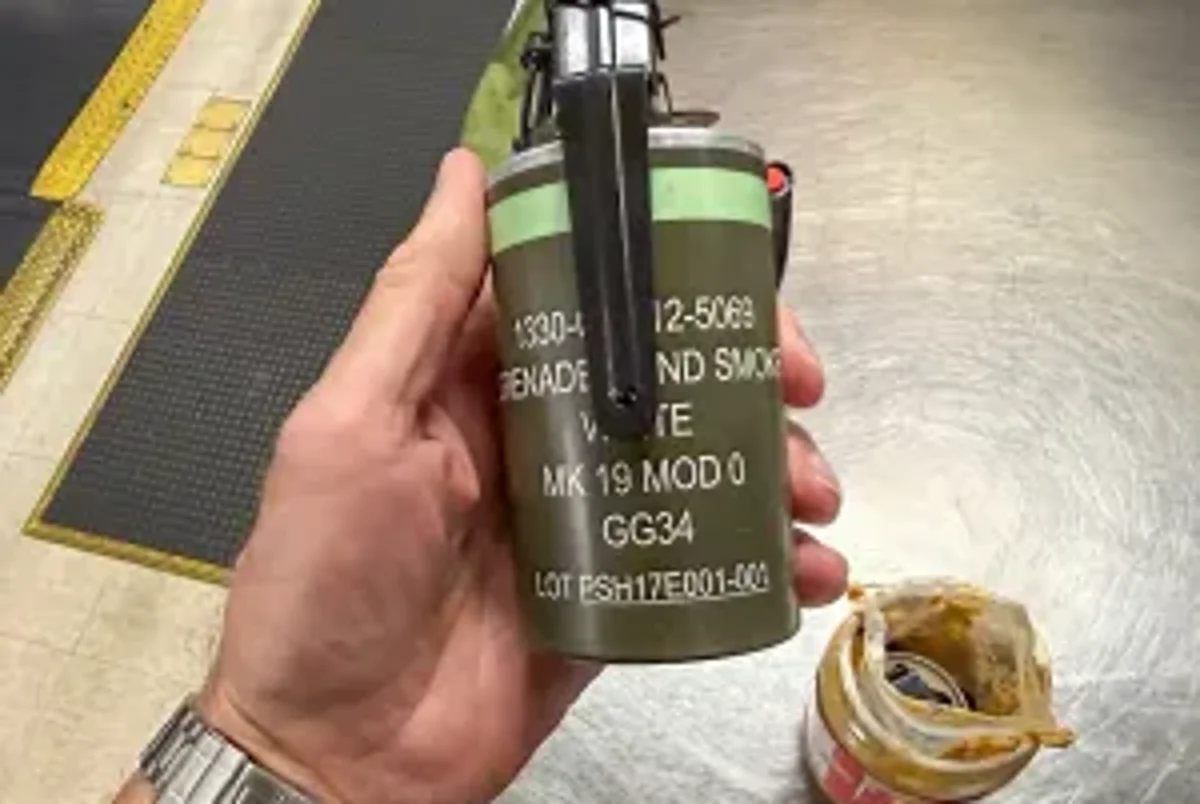
A passenger at Indianapolis International Airport decided to put this exact myth to the test. They stuffed a live smoke grenade deep into a full jar of peanut butter, packed it into their checked luggage, and hoped for the best. If you found value in this post, you should check out: this related article.
It failed spectacularly.
The Transportation Security Administration stopped the bag, pulled the jar, and called in bomb technicians. This bizarre stunt shows just how little people understand about modern airport screening technology. It's time to bust the myths about what actually happens when your bags slide past those heavy rubber curtains. For another look on this development, refer to the recent coverage from Travel + Leisure.
The Sticky Mechanics of the Indianapolis Airport Bust
The incident unfolded when a passenger's checked bag triggered an automated alert on the screening line. When Supervisory TSA Officer Anthony Vela and explosives specialist Michael Dunphy opened the bag for a manual inspection, they initially found one loose, live smoke grenade.
That alone is a massive violation. But Dunphy, a 24-year U.S. Navy explosive ordnance disposal veteran with 18 years at the TSA, noticed something off. The math wasn't mathing. He suspected a second device was nearby.
He was right. After digging through the luggage, he found a completely full, heavy jar of peanut butter. Inside, completely submerged in the brown paste, was the second live smoke grenade.
When officers paged the traveler back to the ticketing counter, his defense was pure comedy. He honestly admitted that a friend told him a jar of peanut butter would trick the scanners and shield the weapons from view.
Instead, it did the exact opposite.
The Science of Why Peanut Butter Triggers Scanners
The friend's advice was fundamentally flawed because it relies on outdated ideas of how airport security works. People think airport scanners are just basic light boxes that show silhouettes.
They aren't. Modern airports use advanced Computed Tomography technology for checked bags. These CT scanners rotate around the luggage, taking hundreds of individual images to calculate the precise mass and density of every object inside.
Peanut butter is incredibly dense. To an X-ray machine, a massive blob of thick paste looks highly suspicious because its density closely mimics the organic compounds found in plastic explosives. When you shove a metallic firing pin and a canister inside that dense mass, the machine doesn't get confused. It flags the item immediately for a physical search.
Trying to hide a weapon inside a jar of spread is basically drawing a giant, glowing target on your luggage.
The Real Danger of Aviation Pressure Changes
While a smoke grenade isn't a pipe bomb, carrying one onto a commercial flight is incredibly dangerous. Aaron Batt, the Indiana TSA Federal Security Director, pointed out a massive safety risk that the passenger completely ignored.
Aircraft cargo holds are pressurized, but they still experience significant pressure shifts during a flight. If a live smoke grenade gets subjected to those changes, the casing can fail.
"Imagine in this case had the pressurization caused the device to accidentally release smoke, filling the cabin and aircraft while in flight," Batt warned.
A cargo hold filling with thick, toxic smoke at 35,000 feet triggers emergency fire suppression systems, forces an immediate emergency landing, and puts hundreds of lives at risk. It turns a stupid mistake into a federal disaster.
Common Travel Items That Consistently Trigger Alarms
You probably aren't packing military gear for your next vacation, but everyday travelers get caught in the density trap all the time. The TSA screens millions of bags a day, and specific household staples consistently cause false positives because of their chemical makeup or thickness.
- Thick spreads and pastes: Nutella, honey, large blocks of cheese, and yes, peanut butter. The liquids rule applies to these in carry-ons, but even in checked bags, their density invites extra scrutiny.
- Large coffee bags: Packed tightly, coffee beans or finely ground espresso can look like solid blocks on older scanners.
- Dense powders: Large tubs of protein powder or pre-workout can mask items underneath them on basic X-rays, forcing officers to open the bag.
If you are packing these items, place them neatly at the top of your bag or use clear bags so officers can inspect them without tossing your entire wardrobe across the security table.
Know Before You Fly
If you are unsure whether an item is allowed on a flight, don't guess, and definitely don't listen to your friends' sketchy advice. The TSA maintains a comprehensive database on its website under the "What Can I Bring?" tab. You can search virtually any item to see if it belongs in a carry-on, a checked bag, or nowhere near an airplane.
When an item is prohibited, attempting to conceal it turns a simple confiscation into a law enforcement issue. Keep the peanut butter for your sandwiches, pack your bags transparently, and leave the smoke devices at home.