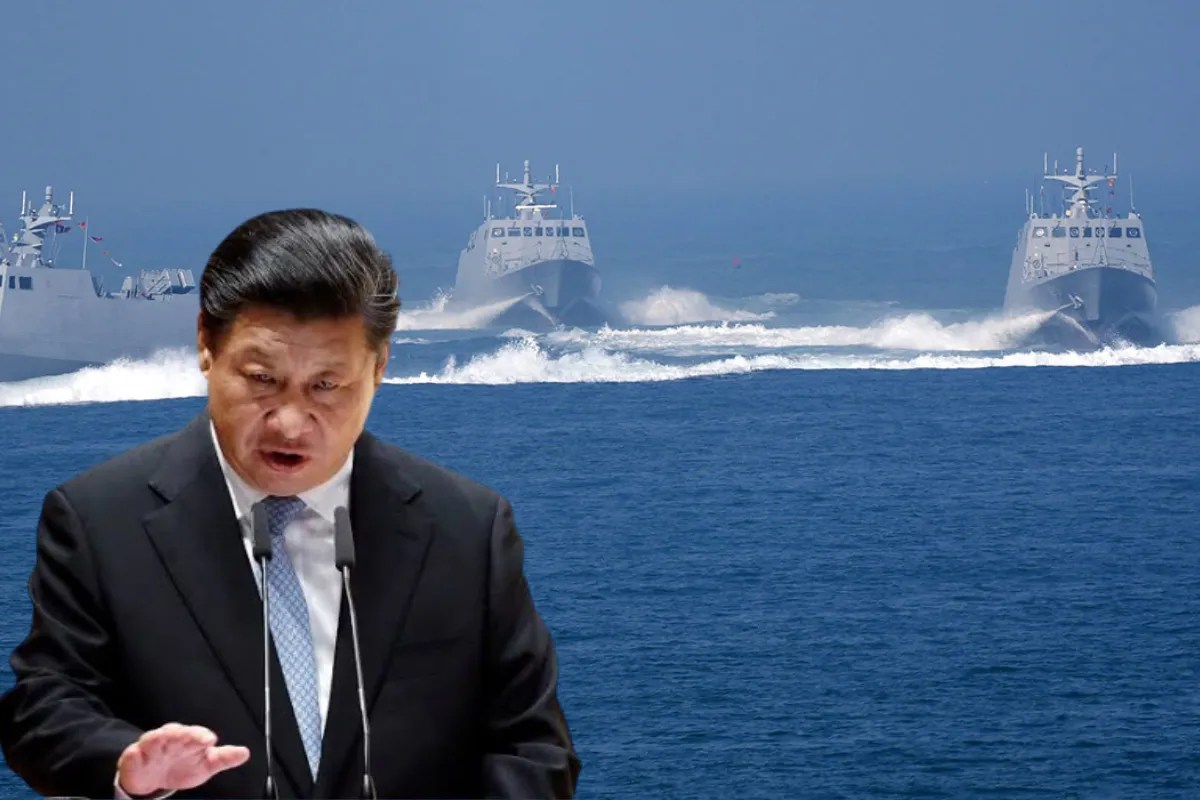
Donald Trump says he's close to pulling the trigger on an attack against Iran that would dwarf anything we've seen so far. In an interview with Axios, he laid it out directly: "I am considering a massive attack. Bigger than ever before. I am close to making a decision. We are all set for it".
That isn't just standard political posturing. It’s a direct response to weeks of mounting chaos in the Middle East that has sent global markets into a tailspin and pulled key shipping lanes into total disarray. With Brent crude surging past $100 a barrel and the UN warning that the region is teetering on the edge, the White House is staring down a massive turning point.
Understanding what's driving this decision requires looking past the bold headlines to examine the real pressures, strategic blunders, and economic fallout happening right now.
The Strait of Hormuz Conflict and the Threat of Escalation
The current friction didn't appear overnight. Tensions spiked dramatically after recent military exchanges, including US strikes against Iranian logistics targets near Bandar Abbas and ongoing Houthi attacks on commercial shipping lanes in the Red Sea.
Trump's frustration stems from a feeling that previous military actions haven't produced the necessary diplomatic leverage. "They haven't received enough pain yet," Trump told Axios, referring to Iranian leaders who have so far resisted accepting US-backed mediation terms.
Mediation efforts led by regional actors like Oman, Qatar, and Pakistan proposed a 10-day ceasefire meant to reopen the Strait of Hormuz. That proposal stalled. Washington claims Tehran isn't cooperating, while Iranian officials maintain they will continue responding to foreign aggression.
The US military has already been positioning heavy assets, including dozens of aerial refueling tankers deployed to airfields in Israel. Trump insists the US can act entirely on its own, though he noted Israel would join instantly if asked.
Economic Shockwaves Across the Global Economy
Military posturing hits ordinary people quickest through energy markets. The second word spread that a major military expansion was being weighed, global benchmark crude jumped past $100 a barrel.
When critical transit points like the Strait of Hormuz or Red Sea routes face blockades or missile risks, shipping lines either halt transit or re-route ships around the southern tip of Africa. That adds weeks to transit times, drives insurance premiums through the roof, and pushes freight rates sky-high.
- Energy Costs: Rising crude immediately inflates gasoline and jet fuel prices globally.
- Supply Chains: Extended shipping routes choke manufacturing pipelines and delay consumer goods.
- Inflation: Higher transport costs ripple through consumer price indexes, forcing central banks to keep interest rates elevated.
If Washington moves forward with targeting Iranian energy installations, power grids, or hardened infrastructure like suspected underground facilities, energy markets will react violently. Financial analysts are already pricing in a prolonged supply shock if a ceasefire isn't secured immediately.
Domestic Political Friction and Domestic Pushback
The president isn't operating with unconditional support at home. Public support for extended overseas conflicts remains low, and lawmakers on Capitol Hill are increasingly anxious about getting dragged into a wider, unbounded war.
The US House of Representatives narrowly passed a resolution aimed at limiting unauthorized military strikes in Iran. While the White House frequently ignores non-binding legislative warnings, the vote signals significant resistance within Congress.
Military personnel losses—such as service members killed in drone and missile strikes on forward bases in Jordan—have hardened Washington's public stance while simultaneously raising political stakes at home. Trump finds himself caught in a classic escalation trap: responding to attacks with heavier firepower while trying to project an exit strategy that doesn't look like a retreat.
Strategic Realities Behind the Headlines
Military analysts point out that striking heavily fortified or deeply buried sites inside Iran isn't a quick or easy operation. It requires sustained aerial campaigns, extensive logistical backing, and clear objectives—things that are tough to maintain when political time is running short and regional allies express hesitation over hosting launch operations.
Tehran has proven it can absorb significant conventional strikes while using proxy networks and asymmetric tactics to inflict real financial and physical damage on global transit lines. Expanding the campaign might destroy infrastructure, but it doesn't guarantee a negotiated surrender.
Navigating this crisis effectively requires looking past initial announcements and focusing on measurable diplomatic or military shifts.
Track daily energy benchmarks like Brent and West Texas Intermediate (WTI), as crude pricing reflects real-time risk assessments faster than official press statements. Monitor official notices from maritime security groups like the UK Maritime Trade Operations (UKMTO) to see if commercial vessels are actively clearing out of primary transit corridors. Watch for formal updates from regional diplomatic hubs in Muscat and Doha, where actual ceasefire conditions—if any—will ultimately be negotiated.