North American trade is spinning out of control. If you think the United States, Canada, and Mexico have a stable commercial partnership under the revamped regional framework, you haven't been paying attention to the high-stakes brinkmanship happening behind closed doors. Trade talks shift by the hour, and political posturing constantly threatens billions of dollars in cross-border supply chains.
Let's look past the press releases. The reality of these negotiations involves last-minute walk-backs, midnight deadlines, and sudden tariff threats that leave manufacturers scrambling. Understanding what is actually driving these friction points helps you prepare for the next wave of economic volatility.
The Illusion of Stability in Regional Trade
People assume that once a massive trade pact like the USMCA is signed, the rules are set in stone for a decade. That's entirely false. The framework allows for continuous friction, annual reviews, and aggressive pressure tactics.
When the White House threatens massive levies on Canadian steel, aluminum, and electronics, businesses get caught in the crossfire. You cannot run a predictable supply chain when automotive parts or plastics face sudden 50 percent duties.
- The Core Demand: Washington wants absolute alignment on border security, dairy market access, and the elimination of provincial barriers against American alcohol.
- The Canadian Pushback: Ottawa routinely calls proposed terms unfair or uneconomic, leading to sudden collapses at the negotiating table just hours before deadlines expire.
- The Mexico Factor: While attention swings back and forth northward, parallel discussions with Mexico face their own unique hurdles regarding manufacturing origin rules and industrial policy.
Why Negotiations Keep Hitting a Wall
Trump treats trade negotiations like real estate deals. You push hard, threaten maximum pain, and wait to see who blinks first. That strategy works great for political leverage, but it creates absolute chaos for logistics managers and corporate planners.
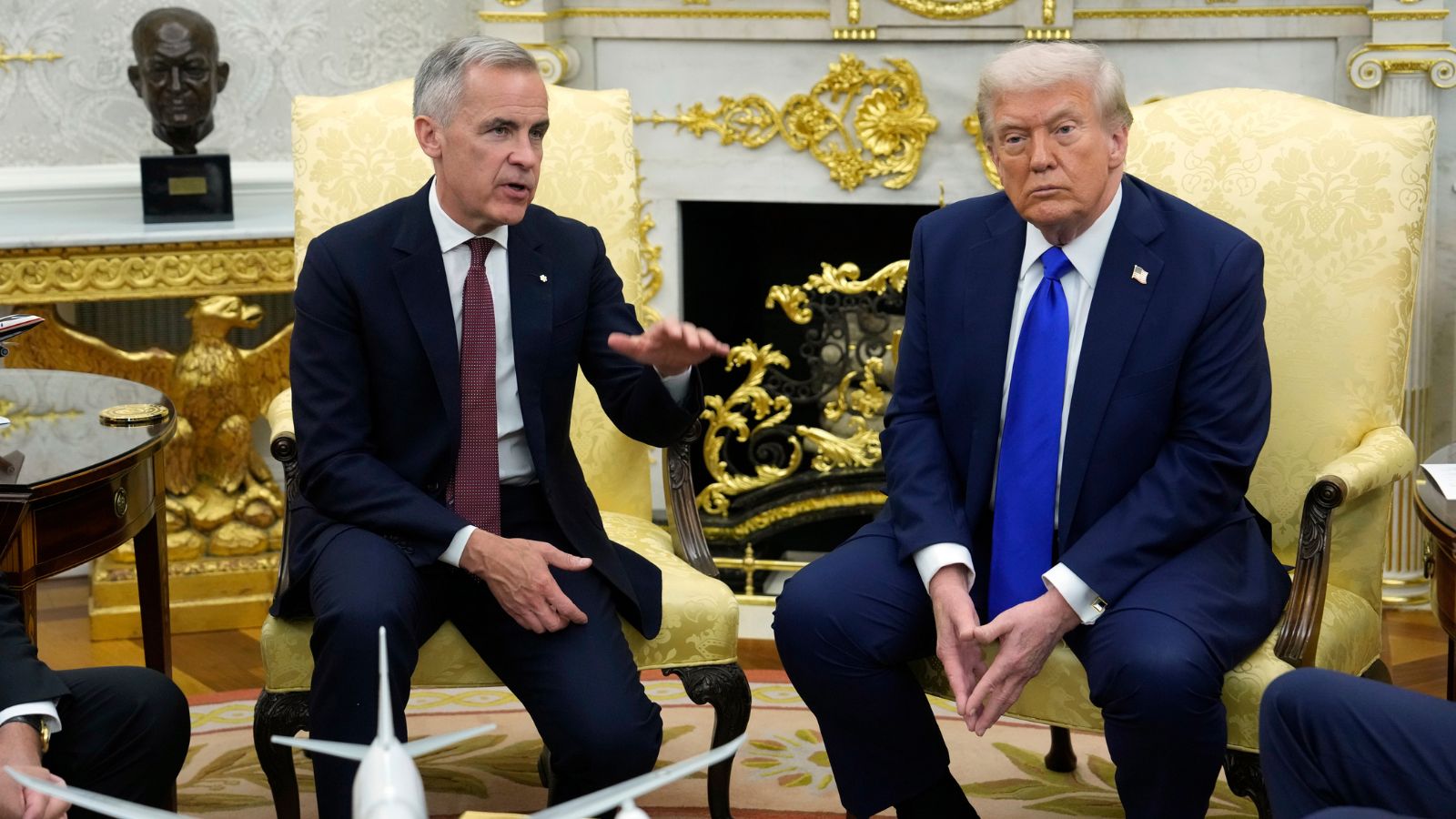
Canadian Prime Minister Mark Carney and his trade team have tried to match American levies dollar for dollar when talks fall apart. That tit-for-tat escalation destroys profit margins for companies that rely on components moving freely across the border.
Executives often make the mistake of assuming cooler heads will prevail. They don't. When cabinet members like Howard Lutnick express deep dissatisfaction with terms on the table, deals evaporate in minutes. You have to operate under the assumption that tariffs can appear or disappear with a single social media post.
Practical Steps for Businesses Caught in the Middle
You can't control what happens in Washington, Ottawa, or Mexico City. You can, however, insulate your operations from sudden policy shifts.
Start by auditing your bill of materials immediately. Identify every component or raw material that crosses a North American border. If your supply chain depends heavily on goods vulnerable to sudden tariff spikes, look for domestic alternatives inside your own country.
Next, build flexibility into your pricing models. If a sudden 50 percent levy hits your sector tomorrow, absorbing that cost will bankrupt your margins. Clear communication with your clients about potential border surcharges keeps you solvent when political winds shift.
Keep a close eye on compliance documentation. Many companies lose tariff exemptions simply because their paperwork doesn't strictly prove regional content compliance under the trade pact. Double-check your certificates of origin today. Stop waiting for permanent certainty because it isn't coming.