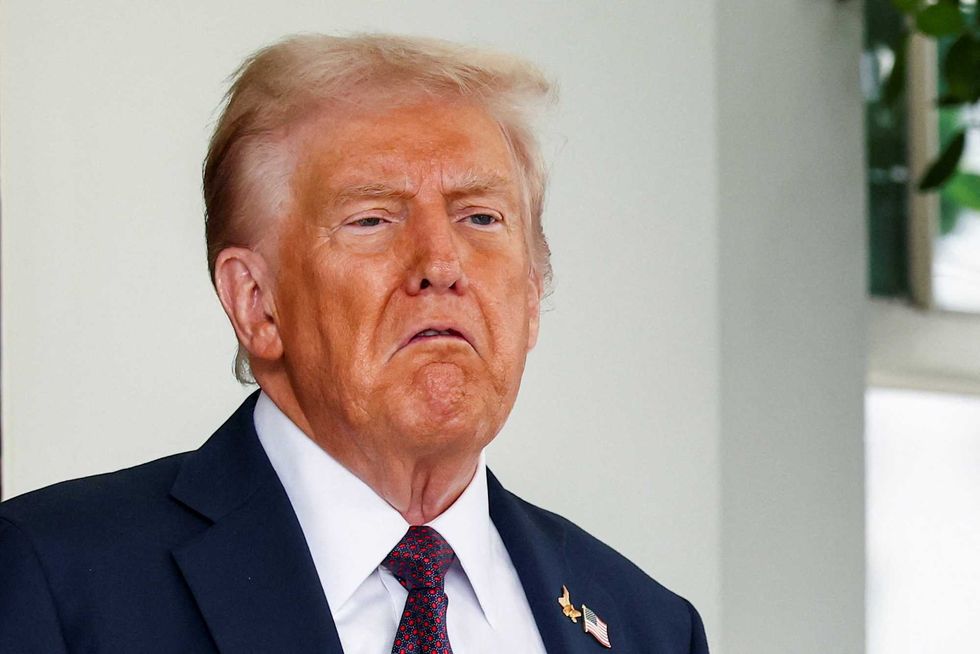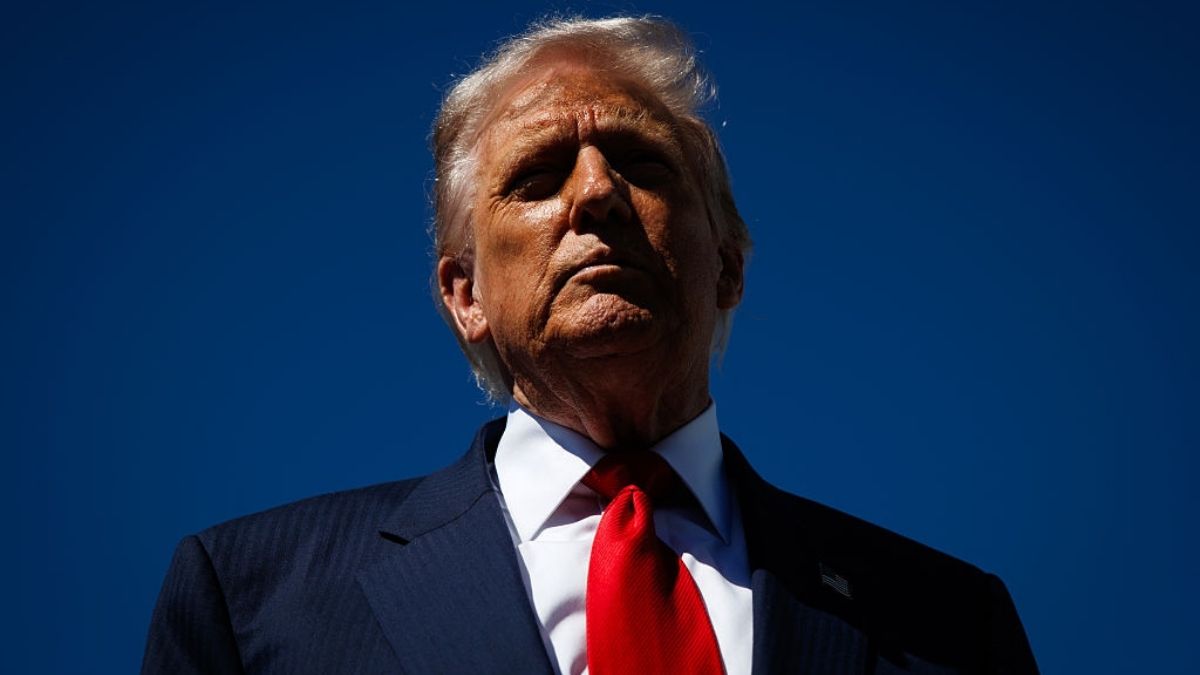
Donald Trump is currently doing what he does best: selling a victory before the ink is even dry. If you listen to the President right now, a historic peace deal with Iran is basically a done deal. He’s telling anyone with a microphone that Tehran has "agreed to everything" and that the U.S. is about to secure every bit of their "nuclear dust" for free. It sounds like a total win. But if you look at what’s actually happening in Tehran and the Islamabad negotiation rooms, the reality is a lot messier.
People are looking for answers on whether we’re actually on the brink of peace or just another round of escalation. The short answer? Trump is using a massive naval blockade and the memory of recent airstrikes to squeeze a desperate regime, but the Iranians are still publicly mocking his claims. They aren’t ready to surrender their nuclear leverage just yet.
The art of the 2026 squeeze
Trump’s strategy hasn’t changed much since his first term, but the stakes in 2026 are way higher. After weeks of tactical bombing by B-2 stealth bombers and a suffocating naval blockade, the U.S. has Iran in a corner. Trump is betting that the Iranian economy is so close to a total collapse that they’ll take any deal to stop the bleeding.
He recently told reporters in Phoenix that the naval blockade will end the second an agreement is signed. That’s a classic carrot-and-stick move. He’s making it clear that the pain only stops when he gets his "unconditional surrender" or something that looks close enough to it for a photo op in Pakistan.
What Trump says he has secured
The President is making some pretty bold claims about what’s on the table:
- The Nuclear Dust: Trump claims Iran has agreed to hand over its entire stockpile of enriched uranium. This is the stuff that makes bombs.
- The 20-Year Promise: He says they’ve pledged not to touch nuclear weapons for at least two decades.
- Zero Dollars: Unlike previous administrations, Trump is adamant that "no money will exchange hands." No pallets of cash, no sanctions relief upfront.
Why Tehran is pushing back
If you read the Iranian state media or listen to their parliament speaker, Mohammad Bagher Ghalibaf, they aren’t exactly rolling out the red carpet. They’ve called Trump’s claims "building castles in the air." Honestly, it’s a massive gap in narratives. While Trump says they’ve agreed to give up the uranium, the Iranian Foreign Ministry is telling their people that the stockpile isn't going anywhere.
So, why the disconnect? It's likely a mix of internal power struggles in Tehran and a high-stakes poker game. The Iranian regime can't look like they’re folding under pressure, especially with the IRGC watching every move. They’re still trying to use their control over the Strait of Hormuz as leverage, demanding that ships follow "Iranian authorization" even though Trump says the waterway is open.
The Pakistan factor
Interestingly, this isn't happening in Geneva or Vienna. The real action is in Islamabad. Pakistan has stepped in as the middleman, with Vice President J.D. Vance and Jared Kushner leading the U.S. delegation. Using Pakistan as a bridge is a smart move—it’s a regional power that actually has some influence over Tehran. If a deal actually happens, Trump has already hinted he’ll fly to Islamabad to sign it. That would be the ultimate "peace through strength" moment for his legacy.
What this means for the rest of us
If Trump is right and a deal is "close," the global impact would be immediate. We’re talking about oil prices potentially plummeting. Trump knows this. He’s already linking the Iran talks to lower inflation and cheaper gas at home. It’s a political win as much as a diplomatic one.
But there’s a huge risk. If these talks fail—like they did in early April after 21 hours of grueling negotiations—the blockade stays. And if the blockade stays, Iran might feel it has nothing left to lose. We’ve already seen them threaten power plants and desalination facilities in the region.
The Lebanon complication
You also can't ignore the Lebanon-Israel ceasefire. Trump has been very vocal about "prohibiting" Israel from further bombing in Lebanon, trying to decouple that conflict from the Iran talks. He wants to isolate the Iran issue so he can settle it once and for all. It’s a bold play, but whether Israel or Hezbollah will actually listen to him in the long run is anyone's guess.
The reality check
Don't expect a perfect, clean resolution this weekend. Trump likes to declare victory early to set the narrative. The Iranians like to deny everything until the last possible second to save face.
You should keep an eye on the Islamabad reports over the next 48 hours. If you see movement on the "nuclear dust" transfer, Trump’s gamble paid off. If the rhetoric from Tehran gets even sharper, we’re probably heading back to a "maximum pressure" stalemate that could drag on for months.
If you're watching the markets, watch the Strait of Hormuz. That’s the real thermometer for this crisis. If ships start moving without Iranian interference, the deal is real. If not, it’s just more talk.