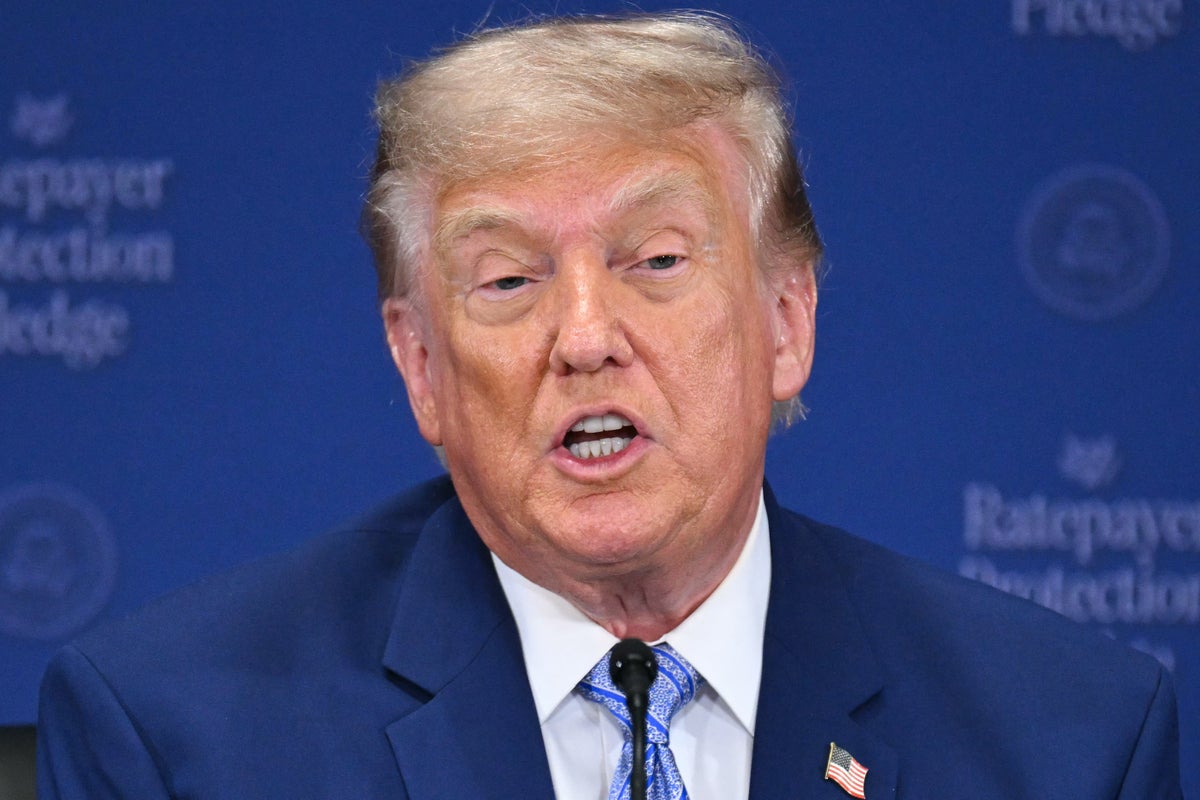
Donald Trump just found another back door to rebuild his global trade wall.
Right as the temporary 10% global tariff expired at midnight on July 24, 2026, the White House rolled out fresh duties ranging from 10% to 12.5% on 60 trading partners. The official reason? US Trade Representative Jamieson Greer claims these nations haven't done enough to stop forced labor from creeping into global supply chains.
It sounds like a sudden humanitarian push. Don't be fooled.
This move is a direct end-run around the US Supreme Court. Back in February, the high court struck down Trump's sweeping "Liberation Day" emergency tariffs, ruling he overstepped his executive authority under emergency statutes. Forced to issue refunds to importers, the administration temporarily patched the gap using 150-day emergency balance-of-payments duties under Section 122 of the Trade Act of 1974. Those emergency powers ran out today.
So the administration swapped legal playbooks. By pivoting to Section 301 of the Trade Act—the same mechanism used to hit Chinese goods during his first term—Trump is betting these new tariffs will survive the inevitable legal challenges from importers and foreign governments.
The Real Numbers Behind the New Duty Rates
The White House didn't treat every country the same this time around.
Under the new Section 301 framework, countries get split into two main buckets based on how strictly the US believes they enforce forced labor bans.
Nations with zero or weak import prohibitions on forced labor face a 12.5% tariff. That list includes big players like China, Vietnam, Brazil, Japan, and South Korea.
A smaller group of 17 trading partners landed in the lower 10% tariff bracket. These are countries that have existing forced labor restrictions or made last-minute policy commitments during trade talks over the past month.
- United Kingdom: Facing a 10% levy on imported goods.
- India: Originally targeted for 12.5%, but bumped down to 10% after rapid policy tweaks on labor oversight.
- Canada and Mexico: Subject to 10% rates on non-exempt goods, though items meeting USMCA guidelines escape the new hit.
- European Union: Facing split rates between 10% and 12.5% depending on specific product categories.
Not everything is getting taxed. Oil, natural gas, fertilizers, and basic agricultural items the US doesn't produce domestically were granted outright exemptions. Products already hit by 50% metal tariffs under Section 232 won't see double-dipped duties either.
How the Administration Navigated Around Supreme Court Boundaries
The legal maneuver here is clever, even if business leaders are furious.
When the Supreme Court killed the initial national emergency tariffs, it made one thing clear: the president can't just invoke emergency law to rewrite global trade terms on a whim.
Section 301 requires a formal investigation by the US Trade Representative before taxes hit port docks. Greer's office launched that investigation earlier this summer, held public hearings, and gathered thousands of public comments. That paper trail gives the White House a stronger legal defense when trade groups sue.
Section 301 doesn't have a built-in 150-day expiration date like Section 122. It stays in effect until the administration decides otherwise or a federal court intervenes.
What This Shift Means for American Businesses and Shoppers
If you run a supply chain or buy imported goods, expect immediate friction.
Importers have a tiny grace period. Goods already on ships in transit to US ports before midnight get an exemption until July 28. After that, customs officials start collecting the extra cash.
Economists across the board keep warning that importers—not foreign nations—pay these duties directly at the border. Companies face two choices right now. They can swallow the 10% to 12.5% cost spike and watch their profit margins shrink, or they can pass those costs straight to consumers through higher price tags at checkout.
With US inflation still sticky and energy prices volatile, adding levies across 99% of foreign imports risks keeping consumer prices elevated well through the end of the year.
How to Prepare Your Business for the New Duty Framework
If your company relies on foreign suppliers, taking immediate action is critical to avoid port delays or unexpected tax bills at customs.
- Audit your tariff classifications immediately: Double-check every Harmonized System (HS) code you import against the USTR exemption list. Items like oil, gas, specific fertilizers, and USMCA-qualifying goods skip these new duties entirely.
- Review your origin documentation: If you import from USMCA partners like Mexico or Canada, ensure your certificates of origin are bulletproof to qualify for treaty exemptions.
- Verify supplier labor compliance: The USTR explicitly lowered India's rate from 12.5% to 10% after labor audits. Working with overseas suppliers to document clean labor supply chains can protect you if secondary inquiries start.
- Prepare for secondary wave investigations: The USTR isn't done. A separate Section 301 investigation into "structural excess capacity" targeting 16 major manufacturing economies is currently wrapping up, which could trigger additional sector-specific duties later this year.