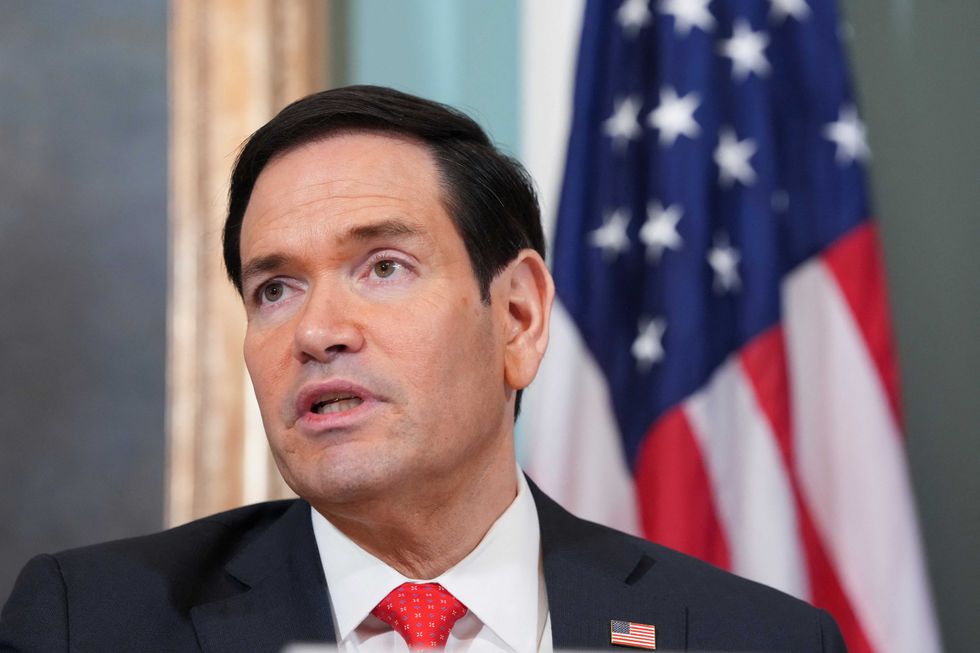
Donald Trump's late-night social media habits aren't just noise anymore. They're a direct line into the erratic pulse of American foreign policy in 2026. This week, the President fired off a string of posts—some call them "screeds"—targeting German Chancellor Friedrich Merz and the ongoing tensions with Iran. If you’ve been following the news, you know the routine: a flurry of expletives, a threat to withdraw troops, and a claim that a foreign leader "doesn't know what he's talking about." But this time, a senior US official did something unusual. They stepped out from the shadows to effectively tell the world, "Don't take him literally."
It's a bizarre dance we’ve seen before, yet the stakes have never been higher. With the US-Israel war against Iran still simmering and a self-imposed deadline for the Strait of Hormuz to reopen, these digital outbursts create a dangerous fog of war. You might also find this connected story interesting: Why the King Charles Visit to Trump Matters More Than the Pomp.
The Official Rebuttal You Missed
While the headlines focused on Trump calling Merz's stance on Iran "humiliating" for the US, the real story happened behind the scenes. A senior Western official, speaking to reporters under the veil of anonymity, basically poured cold water on the idea that the US is actually packing its bags in Germany. According to this official, there haven't been any formal discussions about troop reductions. In fact, they noted that Germany is actually stepping up its own military strategy to take more responsibility—exactly what the US has asked for.
This disconnect is where the danger lies. You have a Commander-in-Chief making "performative" threats on Truth Social while his own administration quietly reassures allies that the status quo remains. It’s a strategy of "strategic ambiguity" taken to an absurd extreme. As highlighted in recent coverage by BBC News, the implications are widespread.
Why the Screed Matters
You might think these posts are just a frustrated man venting into the digital void. They aren't. In the world of international relations, these are "speech acts." They do things. They move markets, they frighten civilian populations, and they force foreign leaders to react.
When Trump writes that a "whole civilization will die tonight," as he did earlier this month regarding Iran, it doesn't matter if it’s hyperbole. To the 90 million people living in Iran, it’s a physical threat from the world’s most powerful military. Critics on Capitol Hill, like Senate Democrat Chuck Schumer, have gone as far as to call these rants "possible war crimes." Honestly, it’s hard to argue they don't at least violate the spirit of international law meant to prevent the terrorizing of civilians.
The Chaos Strategy vs. Reality
Trump’s approach to the Iran conflict is basically a rollercoaster. One day he’s threatening to obliterate power plants and bridges—a "Bridge and Power Day," as he called it—and the next he’s hailing a "daring" rescue mission or extending a ceasefire.
- The Threat: Reopen the Strait of Hormuz or face "Hell."
- The Reality: The blockade continues, and the ceasefire has been extended indefinitely to give Iran "more time."
- The Fallout: Allies like Germany and South Korea are systematically reducing their exposure to American capriciousness.
If you're an ally, how do you plan for the next five years? You don't. You start looking for ways to bypass the US entirely. This isn't just about hurt feelings; it’s about a fundamental shift in how the world views American stability.
Moving Beyond the Noise
So, what should you actually watch? Ignore the expletives and the caps lock. Look at the movements of the US aircraft carriers and the actual diplomatic cables coming out of the State Department. The gap between the President's social media feed and his administration’s actual policy is the "danger zone."
If you want to understand the real state of play, follow the money and the hardware. The estimated cost of the Iran conflict has already hit $25 billion. That number is far more telling than any midnight screed about a German Chancellor.
Start by tracking the official Pentagon briefings rather than the Truth Social feed. When the rhetoric and the troop movements don't align, believe the hardware. It’s the only way to stay grounded in a news cycle designed to keep you off-balance.