The bombers were practically fueled. Then the order stopped everything.
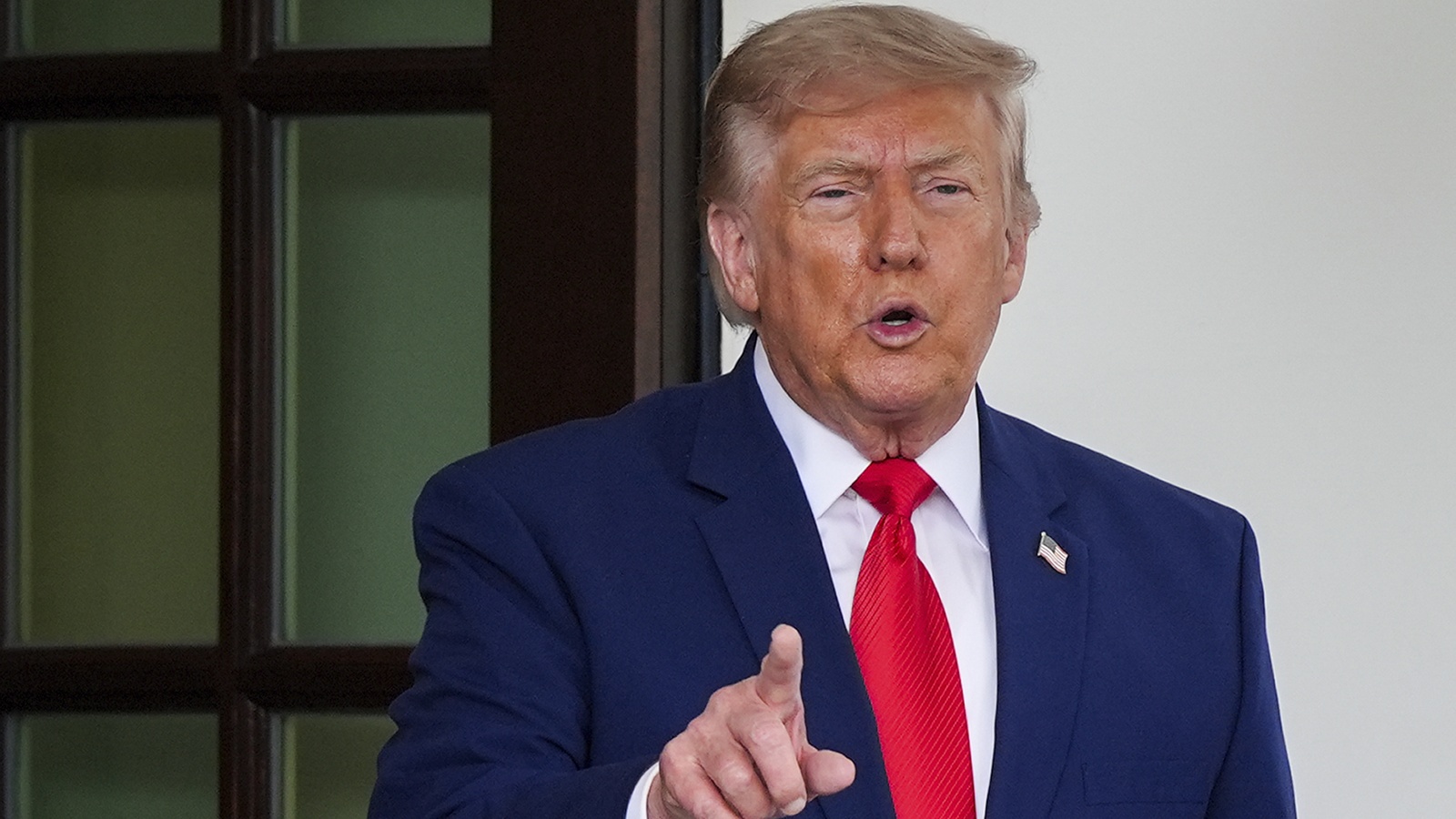
President Donald Trump just pulled the plug on a massive, highly anticipated military strike against Iran. He claims a major diplomatic breakthrough is finally on the horizon. Tehran and regional partners stepped in with an eleventh-hour request, according to statements posted on Truth Social. They asked Washington to hold fire while the loose ends of a brand-new peace agreement get tied up. Expanding on this idea, you can find more in: The Structural Mechanics of Maximum Pressure Statecraft and Tehran Response Functions.
Is this the real end of months of escalating chaos, or just another temporary ceasefire in a volatile theater? You need to look past the political posturing to see what is actually happening on the ground.
The Real Terms of the Proposed Iran Deal
Trump didn't just call off the attacks out of the goodness of his heart. He laid down concrete demands that form the framework of this supposed agreement. Analysts at BBC News have shared their thoughts on this situation.
- The Hormuz Strait: Total, immediate reopening of vital shipping lanes.
- The Nuclear Threat: A complete stop to Iran's nuclear enrichment progress.
- Regional Backing: Broad buy-in from Middle Eastern players, including a stated alignment from Israel.
The United States military was locked and loaded for a scale of operations unseen in decades. Yet, diplomacy squeezed through the cracks right before impact. The catch? The whole deal hangs on whether both sides can actually finalize the paperwork before tempers flare again.
Why Saudi Arabia Pressed the Panic Button
Behind every sudden diplomatic pivot lies intense backchannel pressure. Saudi Crown Prince Mohammed bin Salman made an urgent phone call to Washington just hours before the announcement.
Riyadh wasn't panicking over American safety. They were worried about their own oil infrastructure.
If the US military launched heavy strikes against Iranian energy facilities, Tehran's playbook was clear. They planned to retaliate by striking Gulf oil installations. Saudi leaders made it crystal clear that an expanded regional war would crush their economic stability. That quiet diplomatic intervention gave Tehran the breathing room it desperately needed to restart talks.
[Image of oil refinery infrastructure]
What Most People Get Wrong About This Pause
People love to assume that a canceled strike means long-term peace. History tells us a completely different story.
You've got to remember that temporary pauses in this conflict happen all the time. Tehran's foreign ministry keeps warning that any hostile move from Washington or Israel will trigger immediate, proportionate responses. The State Department isn't taking chances either. They just issued fresh security alerts advising American citizens across ten Middle Eastern countries to prep for sudden flight cancellations and airspace closures.
The agreement isn't signed yet. It's just a conceptual framework.
How to Read the Next Moves in Global Markets
If you're tracking how this affects your daily life, stop looking at the political speeches. Watch the shipping lanes and energy markets instead.
- Monitor the Hormuz Strait traffic: If commercial tankers start moving freely without harassment, the deal has legs.
- Watch official verifications: Wait for independent confirmations from international monitors regarding nuclear oversight before trusting any permanent resolution.
- Keep an eye on travel advisories: The State Department warning tells you the real security climate better than any press release.
Don't buy into the hype of an instant, permanent Middle East fix. Keep your eyes on the actual implementation of these terms over the next few days.
Get ready for sudden shifts because this story changes by the hour.