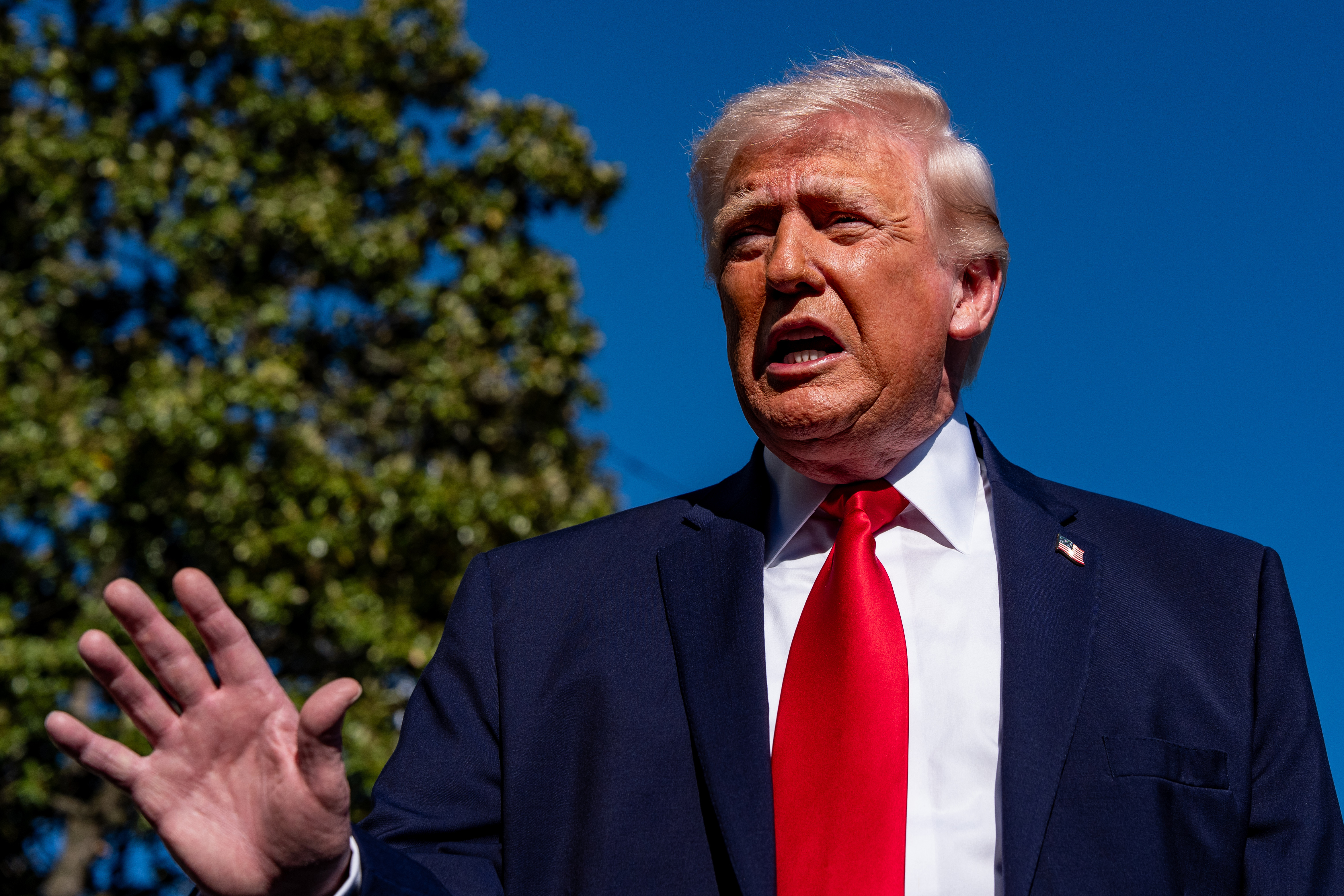
Donald Trump isn't waiting for the ink to dry in Islamabad. While Vice President JD Vance and a team of heavy hitters like Jared Kushner sit across from Iranian officials in Pakistan, the President has already declared victory from the South Lawn. It’s a classic Trump move. He’s framing the situation so that whether a deal is signed or the talks collapse, the United States comes out on top.
"We win regardless," Trump told reporters on Saturday. It’s a bold stance for a conflict that’s pushed global energy prices to their highest levels in years. The Islamabad talks, which stretched past midnight into Sunday morning, represent the most significant direct engagement between Washington and Tehran in decades. But for Trump, the military reality on the ground has already dictated the terms of the peace.
The leverage of a cleared Strait of Hormuz
The biggest shift in this round of negotiations isn't happening at a mahogany table in Pakistan. It’s happening in the water. For weeks, the Strait of Hormuz has been a chokepoint of global anxiety. Now, Trump claims the U.S. has begun "clearing out" the mines laid by Iran. This isn't just a tactical move; it’s a massive display of leverage.
By ordering Central Command to open a "new passage," the administration is effectively telling Tehran that their primary economic weapon—the ability to shut down world oil transit—has been neutralized. Admiral Brad Cooper confirmed that Centcom is establishing a safe pathway for the maritime industry. Trump, never one for subtlety, posted on Truth Social that the U.S. is doing this as a "favor" to countries like China and Germany who didn't have the "will" to do it themselves.
This "favor" puts Iran in a corner. If the U.S. can move oil without Iran's permission, Tehran's seat at the negotiating table gets a lot smaller. It’s why Trump feels he can be so cavalier about the outcome of the Vance-led mission.
What's actually on the table in Islamabad
The talks in Pakistan are intense. We’re talking about a three-way dynamic involving JD Vance, Steve Witkoff, and Kushner on one side, and Iran’s Mohammad Ghalibaf and Abbas Araghchi on the other, with Pakistan's Army Chief Asim Munir acting as the middleman.
Reliable reports suggest a 15-point plan is the focal point. This isn't just a "stop shooting" agreement. It’s a fundamental restructuring of Iran’s regional presence.
- Nuclear Dismantlement: The U.S. is demanding the removal of all enriched uranium and a total halt to enrichment on Iranian soil.
- Sanctions Relief: In exchange, Iran would get extensive economic relief, potentially thawing billions in frozen assets.
- Regional Proxies: The plan calls for Iran to freeze the activities of groups like the Houthis and Hezbollah.
The "mood swings" reported by Pakistani officials suggest the sessions aren't going smoothly. One minute there’s progress on a trilateral face-to-face meeting; the next, the Iranians are lashing out at "excessive demands." Trump’s rhetoric doesn't help the diplomatic "mood," but it’s clear he’s using the "good cop, bad cop" routine with Vance. While Vance talks peace, Trump reminds everyone that U.S. warships are loaded with the "best weapons ever made."
Why the military reality changed the math
You can’t understand these peace talks without looking at the 2026 Iran war’s trajectory. Following the massive strikes in February and the loss of key leadership in Tehran, the Iranian government is operating from a position of extreme vulnerability.
The U.S. intelligence reports suggesting China might send air defense systems to Iran in the coming weeks adds a ticking clock to these negotiations. Trump wants a deal now—on his terms—before the military balance shifts or before the two-week ceasefire expires.
Critics say Trump is playing a dangerous game by saying the outcome "makes no difference." They argue that a failed deal leads back to a hot war that a weary American public doesn't want. But from Trump’s perspective, the "win" is the destruction of Iran's ability to project power. If they sign the paper, he gets credit for a historic peace. If they don't, he continues the military pressure until they have nothing left to negotiate with.
The domestic stakes for the GOP
The timing of these talks isn't accidental. With the midterms looming, the Republican party is banking on a "Peace through Strength" narrative to offset concerns about the war's cost and the 3.3% inflation spike. Senator Lindsey Graham has already been out on the airwaves, defending the conflict as a necessary step to stop a "homicidal" regime from getting a nuke.
For the average American, the "win" Trump talks about needs to show up at the gas pump. The energy price surge in March was a wake-up call. If the Islamabad talks can permanently reopen the Strait and stabilize the Middle East, the political payoff for the administration will be massive.
The situation is fluid. One round of talks ends, and another begins. Don't expect a quiet resolution. Expect more "bold declarations" and high-stakes brinkmanship.
If you're tracking the impact of these talks, watch the oil markets and the shipping insurance rates in the Gulf. Those numbers will tell you more about the success of the Islamabad summit than any official press release. Keep an eye on the mine-clearing progress in the Strait; that is the real-world metric of who holds the power right now. If the tankers start moving freely without Iranian interference, the deal in Pakistan becomes a formality rather than a necessity for the White House.