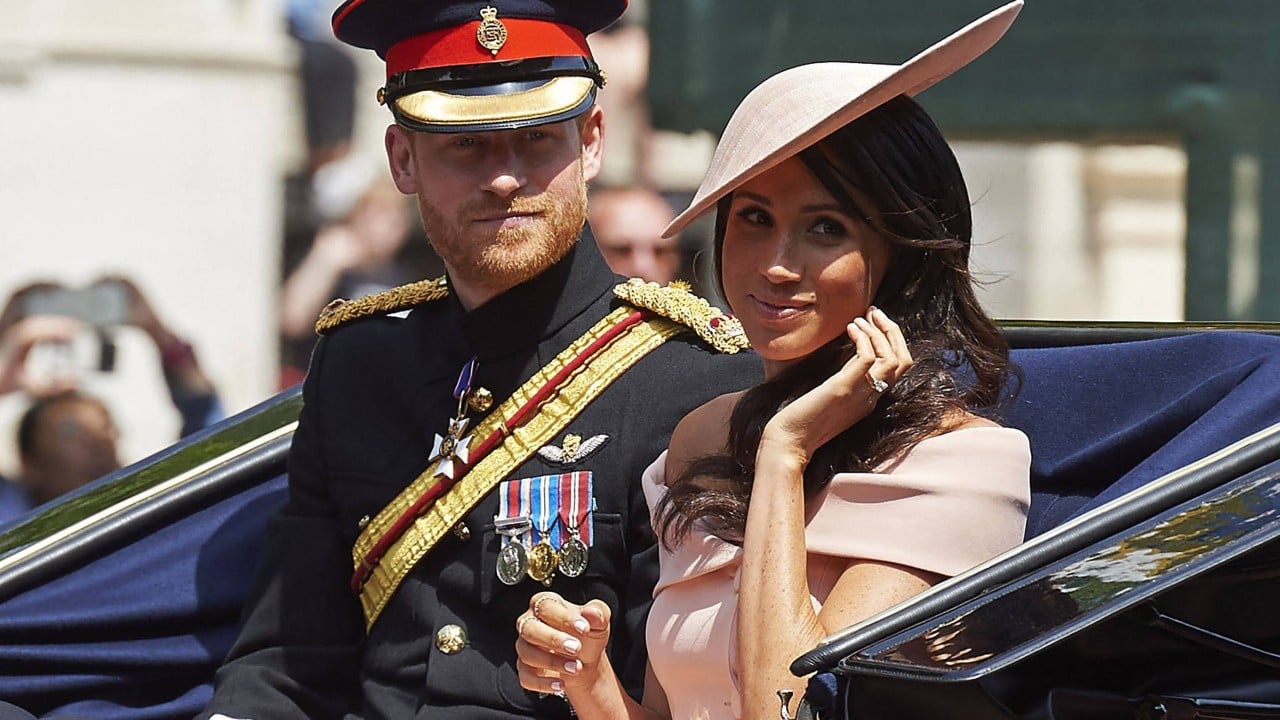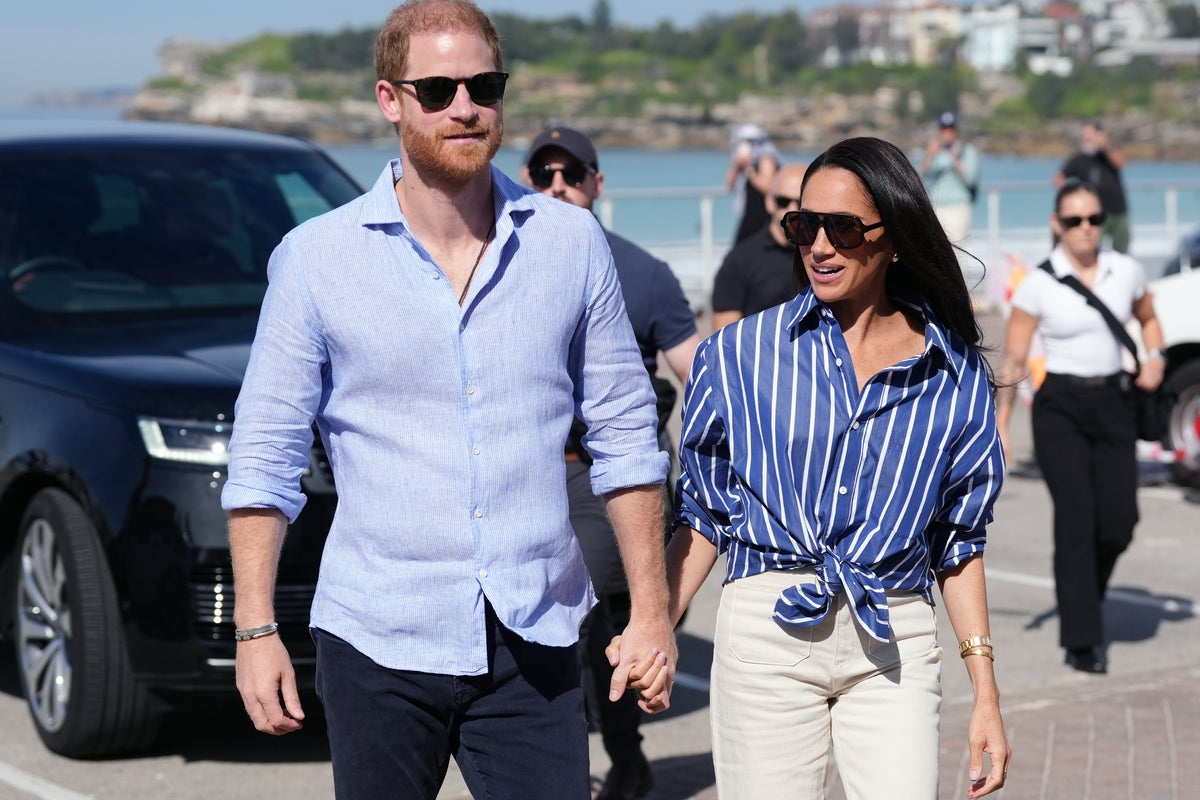
The lazy consensus on Prince Harry and Meghan Markle is a tired two-act play. Act one: plucky royal rebels escape the gilded cage of Buckingham Palace to forge a modern, philanthropic empire of freedom in California. Act two: bitter, out-of-touch politicians and tabloid vultures gloat over every leaked poll and canceled podcast deal, declaring the whole California experiment a total failure.
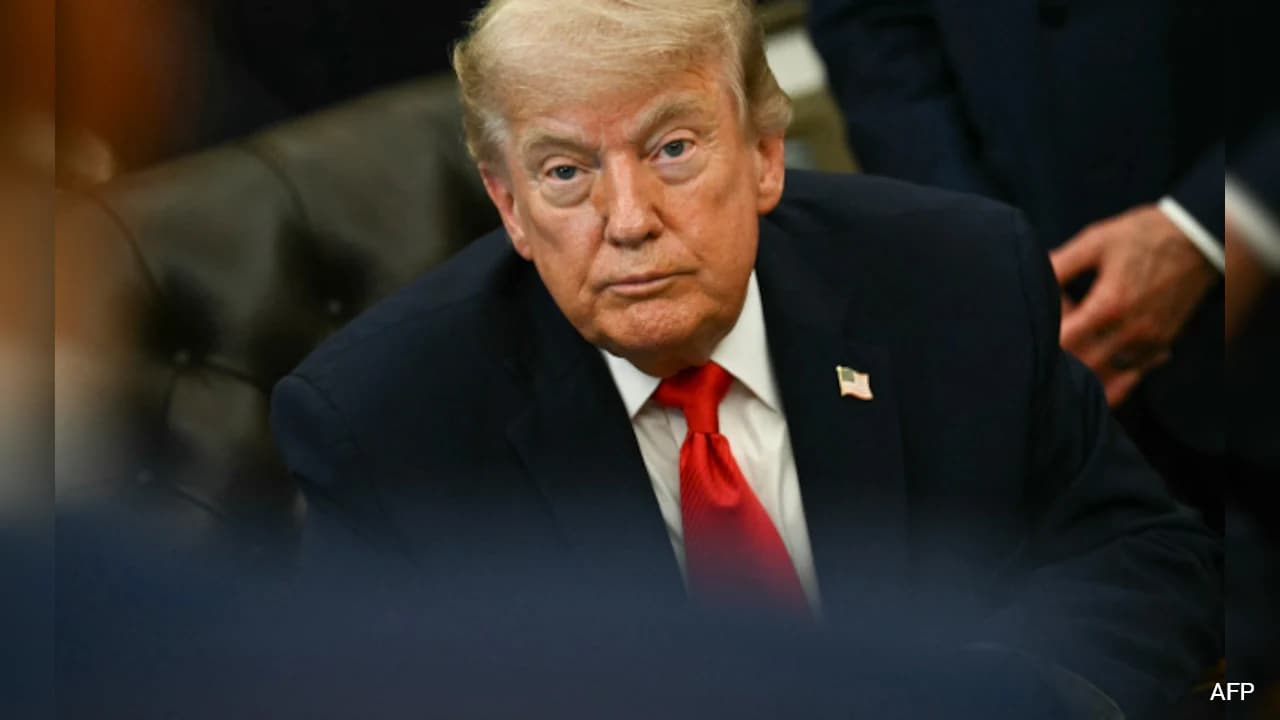
Donald Trump recently chimed in with his usual brand of blunt-force television commentary, claiming he is happy he was never a fan of Harry and noting that Meghan has been disrespectful to the Queen. The media ate it up, framing it as yet another high-stakes chapter in an ongoing political feud.
Both sides are missing the real story.
They are arguing over the soap opera while ignoring the balance sheet. I have spent years watching high-profile public figures try to monetize personal grievance, and I can tell you right now that the conventional wisdom on the Sussexes is completely backwards. They are not failing because they left the royal family. They are struggling because they misunderstood the fundamental mechanics of modern media monetization.
Let us dismantle the noise.
The Myth of Royal Exile
The narrative pushed by royal traditionalists is that Harry and Meghan threw away a multi-billion-dollar brand asset for a foggy mansion in Montecito. The argument goes that without the institutional backing of the crown, they are nothing more than over-privileged influencers shouting into a digital void.
This is amateur analysis.
The British monarchy is a legacy media enterprise built on a centuries-old distribution model: taxpayer-funded pageantry exchanged for public deference. By walking away, Harry and Meghan did not destroy their value; they engaged in a hostile corporate spinoff. They traded a low-margin, high-overhead institutional structure for high-margin, direct-to-consumer digital real estate.
Look at the Netflix deal, the Spotify fallout, and the book sales. Critics point to the dropped podcast contract as proof of collapse. That is standard venture capital math. In the attention economy, you throw massive capital at top-of-funnel experiments to test audience acquisition costs. Their mistake was not leaving the royal family. Their mistake was treating Hollywood like a traditional employer rather than a brutal, algorithmic marketplace.
When you operate as a sovereign entity, you do not need everyone to love you. You need a hyper-engaged, highly polarized niche. Trump understands this instinctively. That is why he comments on them. It is brand maintenance through conflict.
The Trap of Victimhood Monetization
Here is where the contrarian take turns sharp. While Harry and Meghan executed a brilliant structural exit from the firm, their content strategy hit a brick wall because they relied on a flawed premise: that the world wants to buy grievance.
I have seen corporate executives blow millions trying to pivot their public image from corporate villain to misunderstood victim. It never works. Audiences do not reward high-net-worth individuals for complaining about the weather inside their mansion.
The Sussexes made the fatal error of confusing therapy with a business model. Oprah interviews, documentary deep dives, and tell-all memoirs yield massive short-term spikes in engagement. They also destroy long-term brand equity. You cannot position yourself as a global humanitarian powerhouse while simultaneously spending eighty percent of your public output relitigating family drama with minor bureaucrats in London.
The market punished them not for rebelling against the crown, but for lacking product diversification. They hitched their entire corporate wagon to personal beef. Once the novelty of the royal takedown wore off, the algorithms demanded fresh blood. When they did not have it, the engagement metrics dipped, and Hollywood accountants panicked.
What People Get Wrong About Public Opinion Polls
Every few months, a new poll drops showing that Harry and Meghan's popularity has plummeted in the United States and the United Kingdom. Pundits point to these numbers as definitive proof of their downfall.
This is economic illiteracy disguised as social commentary.
In modern celebrity culture, net favorability ratings are a vanity metric. Kim Kardashian does not run her businesses on high favorability; she runs them on high attention. Donald Trump has some of the most polarized favorability numbers in political history, yet he built an unbreakable political movement out of those exact splits.
Polarization is an asset if you know how to leverage it. The mistake the Sussexes made was trying to court mainstream corporate approval while generating hyper-polarized content. You cannot sign deals with traditional consumer brands like Procter and Gamble or mainstream media conglomerates while positioning yourself as an anti-establishment insurgent. You have to pick a lane.
If they had embraced their role as pure cultural disruptors—charging headfirst into media criticism, digital infrastructure, and alternative philanthropy without apologizing for their wealth—they would be untouchable. Instead, they tried to play both sides. They wanted the institutional safety of royal titles combined with the counter-cultural street cred of Silicon Valley rebels.
Markets reward clarity. They punish confusion.
The Real Playbook For Post-Institutional Survival
If you are looking at Harry and Meghan as a case study in modern personal branding, strip away the crowns, the titles, and the political cheap shots from former presidents. Look at the raw mechanics.
- Own the distribution. Leaving a legacy platform only works if you build a better one. Relying on Spotify or Netflix as traditional distributors leaves you at the mercy of corporate executives looking at quarterly churn rates. True autonomy means owning the pipes, not just the content.
- Never sell your trauma as a recurring subscription. The initial reveal has high value. Every subsequent iteration suffers from diminishing marginal returns until it becomes a parody.
- Embrace the haters. If fifty percent of the room hates you, you have a massive, highly motivated audience that will buy whatever you are selling just to stay angry. Trying to win over the middle is a waste of capital.
Trump knows this. That is why he stays in the headlines. The media knows this. That is why they keep writing about Harry and Meghan.
The only ones still confused are the principals themselves, who keep looking backward at a palace they will never return to, wondering why the future is not buying what they are selling. Stop watching the royal soap opera. Look at the P and L statement.
The monarchy is a dying media format. The Sussexes managed to escape it. Now they just have to figure out how to build something better than the system they left behind.