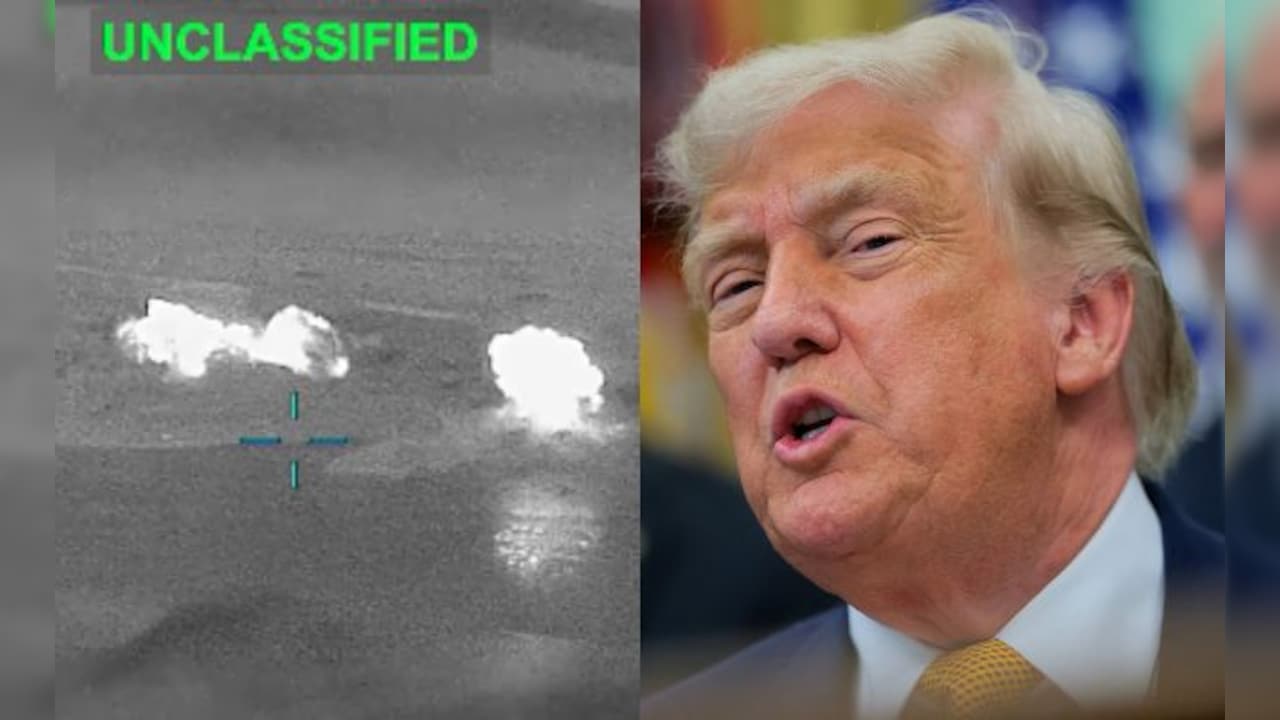
The fragile interim peace deal between Washington and Tehran didn't even survive two weeks. Now, we're watching a terrifying rhetorical escalation that puts the entire global economy on a knife-edge.
Donald Trump isn't mincing words. He just took to social media to warn that the Islamic Republic of Iran will "no longer exist" if the U.S. is forced to finish the military campaign started earlier this year. Tehran didn't blink. Hours later, Iran’s Islamic Revolutionary Guard Corps fired back, warning that American bases throughout the Middle East "will experience hell" in the coming days.
This isn't empty posturing. It's the explosive unraveling of a 14-point interim agreement meant to pause a brutal four-month-old war. Missiles are flying, tankers are burning, and the world's most critical energy chokepoint is jammed. If you think this is just another standard Middle East diplomatic spat, you're missing the bigger picture.
The Trigger Behind Trump Warns Iran Threat
The current crisis ignited when a Panama-flagged oil tanker was hit by an Iranian drone in the strategic Strait of Hormuz. U.S. Central Command reacted instantly, launching fresh airstrikes against Iranian surveillance, air defense, and drone storage facilities in Sirik.
Washington insists Tehran broke the ceasefire first by targeting commercial vessels. Trump backed this up with raw, unfiltered fury on Truth Social, writing that a point may come where the U.S. can no longer be reasonable. He made it clear that completing the job militarily would mean the end of the Iranian state.
Tehran sees things differently. The IRGC claims America's "blind shots" violated the truce first, using the incident to completely halt all mediated diplomatic tracks. Within an hour of Trump’s post, air defense sirens blared across Bahrain and Kuwait as Iranian missiles and drones targeted American military facilities.
U.S.-Iran Conflict Timeline (2026)
Feb 28: U.S. and Israel launch joint campaign; supreme leader Ali Khamenei killed.
Mid-June: Swiss-mediated 14-point interim ceasefire signed by JD Vance and Mohammad Baqer Qalibaf.
June 27: Panama-flagged tanker attacked; CENTCOM retaliates with airstrikes in Sirik.
June 28: Trump issues existential warning; Iran launches retaliatory strikes on U.S. bases.
Why This Ceasefire Was Doomed From the Start
The Swiss-mediated talks led by Vice President JD Vance and Iranian Parliamentary Speaker Mohammad Baqer Qalibaf were a desperate band-aid. Washington waived heavy economic sanctions to get Iran to the table, hoping to reopen the Strait of Hormuz, which handles a fifth of global oil and liquefied natural gas supplies.
The deep-seated issues were never resolved. Iran claims the U.S. failed to enforce a parallel ceasefire in Lebanon, where Israel has been pursuing Hezbollah since March. Meanwhile, the U.S. demanded complete capitulation regarding Iran's nuclear and ballistic missile programs.
Look at what this war has already done. The conflict has caused an estimated $270 billion in infrastructure damage to Iran, destroying its core navy, air force, and senior leadership. Yet, asymmetric warfare allows Tehran to keep hitting back. They don't need a massive conventional fleet to disrupt global energy flows. A few cheap drones and sea mines do the trick.
The Real Danger to Global Markets
Vague promises of peace won't fix the immediate danger to the global economy. Hundreds of transport ships remain blockaded inside the Persian Gulf. If the IRGC delivers on its promise to bring "hell" to American assets, the Strait of Hormuz will lock down completely, sending global oil prices into orbit.
U.S. officials confirm no major damage or casualties from the latest drone strikes in Kuwait and Bahrain, but the margin for error is razor-thin. Relying purely on personal leader rapport without institutional guardrails is a dangerous gamble.
If you are tracking international shipping or energy assets, stop waiting for diplomatic breakthroughs. The interim deal is dead in the water. Diversify your supply chains away from Gulf transits immediately and prepare for extended volatility in energy markets. Watch CENTCOM's daily operational updates rather than political speeches to gauge the actual risk level on the water.