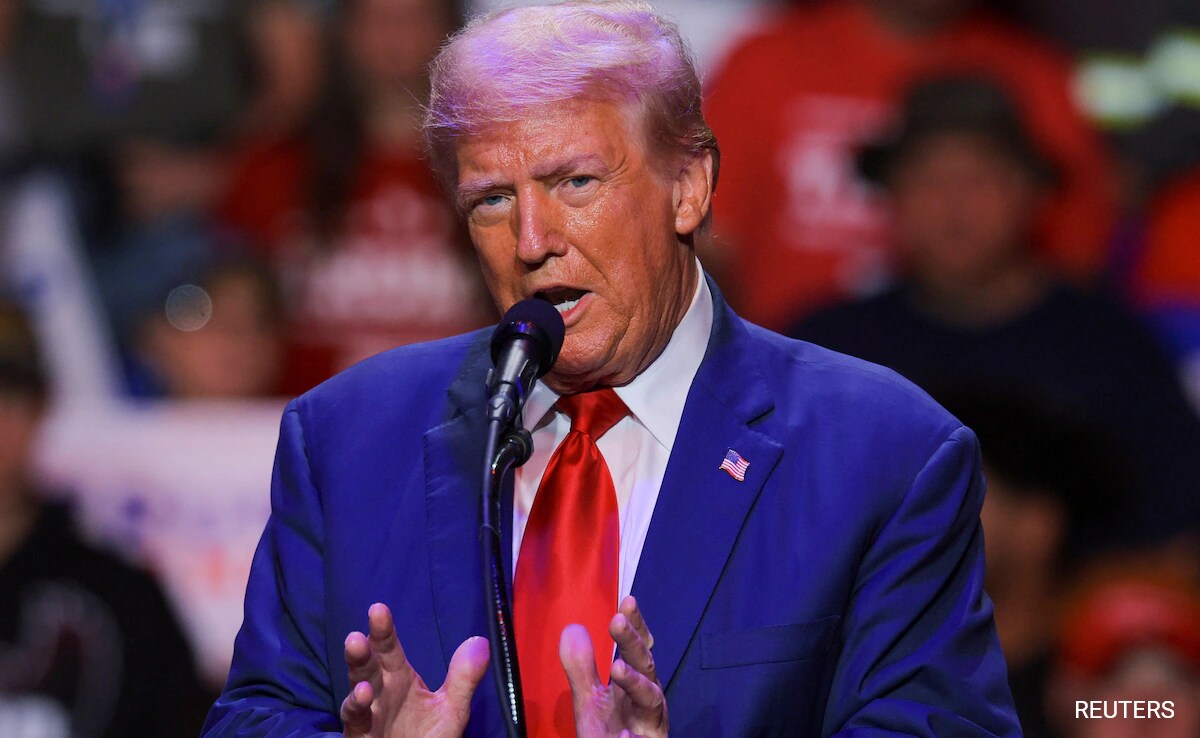
Geopolitical analysis is broken. Walk into any think tank or scroll through any mainstream feed covering international relations, and you will find the exact same cookie-cutter panic. When Donald Trump steps up to the United Nations podium and targets Tehran, the consensus response is swift and predictable. Pundits clutch their pearls. Editorial boards publish frantic warnings about imminent escalation. They treat diplomatic friction as a malfunction rather than a feature of statecraft.
That framing is fundamentally lazy.
The conventional narrative insists that harsh rhetoric and economic pressure push nations closer to total war. Decades of diplomatic orthodoxy taught us to fear strong words, preferring quiet handshakes behind closed doors and endless rounds of appeasement. But look at the actual track record of that approach. Quiet diplomacy has funded proxy militias across the Middle East, allowed clandestine nuclear programs to inch forward under the cover of oversight committees, and maintained a status quo of slow-burn violence that costs thousands of lives every year.
A sharp confrontation at the global stage does not accelerate conflict. It exposes the hidden fault lines and forces a realignment.
To understand why, we have to look past the theatrical outrage of the media cycle and examine the mechanics of deterrence. For years, international bodies treated Tehran with kid gloves, operating under the dangerous assumption that accommodation would moderate regional behavior. That experiment failed. When you subsidize an aggressive actor by lifting sanctions without demanding structural changes to their foreign policy, you do not buy peace. You buy a larger war later.
Trump’s UN messaging operates on a completely different premise, one rooted in commercial leverage and raw realism. Statecraft is not a university seminar. Leaders in authoritarian regimes do not respond to polite communiques or appeals to international norms. They respond to immediate costs and hard ceilings on their behavior. When an American president stands before the global assembly and draws a hard line, it shifts the calculus for every regional player involved.
Critics argue that such rhetoric isolates Washington and alienates traditional allies in Europe. Let us be completely honest about those European allies. Their primary interest in dealing with Iran has historically been commercial access, not regional security. For decades, Western European capitals prioritized trade deals while regional powers bore the brunt of drone attacks, cyber sabotage, and proxy warfare. Accusations of unilateralism are typically code for a preference to maintain a broken system that benefits corporate balance sheets at the expense of human security on the ground.
When the dominant superpower shatters diplomatic decorum, it accomplishes something vital: it creates clarity. Ambiguity is where bad actors thrive. By dragging the realities of Iranian regional aggression out into the open at the UN—refusing to hide behind sanitized diplomatic language—the entire diplomatic landscape snaps into focus.
Consider the alternative that the foreign policy establishment secretly prefers. They want a return to endless negotiations, where technical committees meet in Swiss hotels for years, drafting complex agreements that lack teeth. Meanwhile, uranium enrichment continues behind concrete shields, and regional proxies receive steady shipments of precision guidance systems. That is not peace. That is a managed catastrophe.
A controlled disruption of the diplomatic status quo forces a choice. It tells regional actors that the old rules no longer apply. If you back a proxy network, the economic and political blowback will be immediate and severe. If you pursue a nuclear weapon, the diplomatic umbrella disappears. This is what real deterrence looks like. It is noisy, it makes diplomats uncomfortable, and it breaks the polite fiction that all states act in good faith.
The claim that war is inevitable under this approach ignores the fundamental nature of deterrence. Deterrence works precisely because it raises the stakes so high that escalation becomes irrational for the adversary. Weakness invites aggression. Strength, even when expressed through blunt rhetoric, closes the window for miscalculation. Tehran does not test boundaries when the walls are solid; they test boundaries when the guards are asleep at the negotiating table.
We have watched the old playbook fail for decades. It is time to stop confusing politeness with progress. The diplomatic establishment fears a disruption of the norms because their entire career architecture relies on maintaining those norms, regardless of whether they actually work.
The next time a speech at Turtle Bay makes the headlines for its sharp edges, do not look at the rhetoric as a threat to peace. Look at it as a long-overdue reality check on a region that desperately needed one. Stop managing the crisis. Change the math.