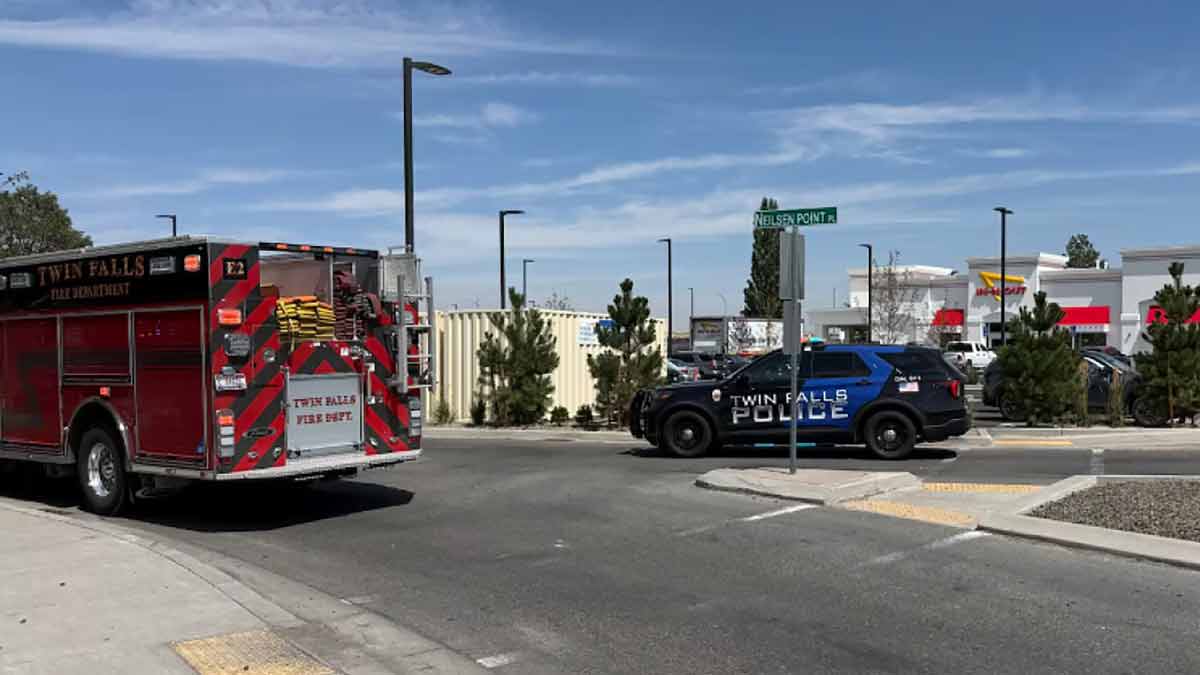
Silence rarely settles over a rural highway interchange the way it did following the emergency dispatches in southern Idaho. Multiple lives ended inside a local fast food establishment during a sudden burst of gunfire that left investigators scrambling to piece together motives. Public safety protocols tested limits. Communities accustomed to isolation confronted national realities.
The Incident Profile
Details emerged slowly through local law enforcement briefings and witness statements. A routine afternoon shift at a commercial food outlet transformed into an active shooter zone within seconds. Responding officers arrived to find a chaotic scene inside the dining area and parking lot. First responders established perimeters while medical crews triaged casualties.
The suspect acted with sudden violence. Law enforcement officials confirmed multiple fatalities at the scene alongside individuals rushed to regional medical centers with critical injuries. Investigators spent subsequent days processing forensic evidence, reviewing security footage, and interviewing survivors who barricaded themselves in employee-only areas.
Rural Vulnerability and Emergency Response
Small towns operate under unique resource constraints. Police departments in rural counties often maintain lean staffing levels. When high-intensity violence strikes a localized venue, backup can be twenty or thirty minutes away.
Emergency response in these regions relies heavily on multi-agency coordination. County sheriffs, state troopers, and volunteer fire departments must synchronize operations under extreme stress. Communication gaps frequently complicate initial containment efforts. In this southern Idaho incident, response times met standard thresholds for the geography, yet the physical distance between outlying stations and commercial hubs highlighted structural vulnerabilities in rural infrastructure.
- Limited local police unit availability during shift changes.
- Extended transit times for specialized tactical teams or air ambulance services.
- Reliance on regional dispatch centers covering thousands of square miles.
The Broader Context of Commercial Violence
Commercial retail and dining locations present distinct security challenges. Open access environments prioritize customer hospitality over target hardening. Entrances remain unmonitored. Exit routes lack access control systems.
Criminologists note that public-facing businesses serve as soft targets. The structural openness that defines consumer convenience simultaneously removes defensive barriers. While high-profile incidents frequently focus on urban centers or educational institutions, commercial properties across suburban and rural corridors increasingly represent sites of acute risk.
Security architectures must balance accessibility with risk mitigation. Metal detectors and private security personnel remain rare outside major metropolitan entertainment complexes or corporate headquarters. Implementing protective measures in standard roadside establishments requires cultural shifts and capital investments that small business operators rarely budget for.
Community Resilience and Recovery
Rebuilding after localized trauma takes years. Small communities possess dense social networks where individual tragedies ripple across every household, school, and workplace. Local resources for mental health support are often scarce, forcing survivors and families to seek specialized psychological care hours away.
Elected officials and community leaders face immediate pressure to address systemic gaps while managing public grief. Memorials replace daily routines. Questions regarding firearms access, mental health crisis intervention, and local policing capacity dominate town hall discussions.
Accountability frameworks require rigorous examination of how warning signs were missed or ignored prior to the violent event. Investigative reporting must look beyond the immediate shock value to examine institutional responses, statutory frameworks, and the ongoing support structures required for long-term recovery.
The investigation remains active as forensic teams process remaining digital and physical evidence. Structural changes to regional emergency preparedness will unfold over the coming months as municipal leaders evaluate the true cost of isolation in an era of widespread public violence.