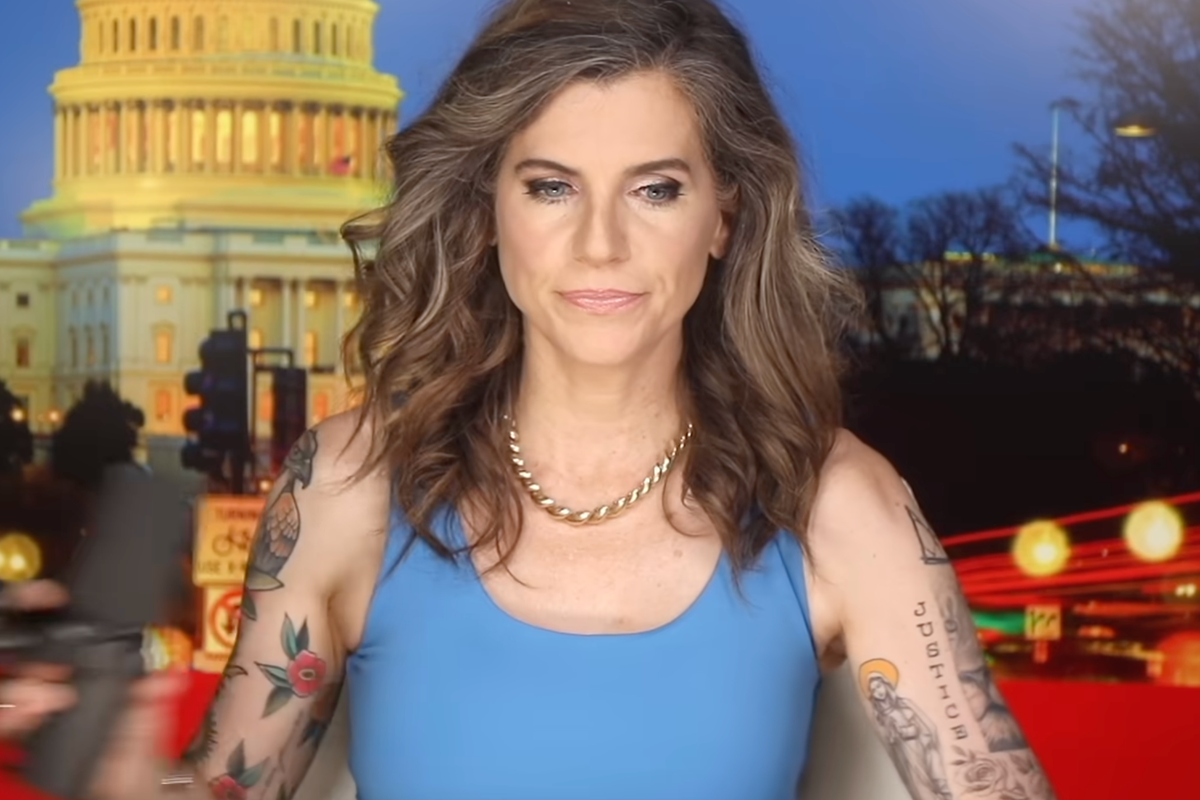
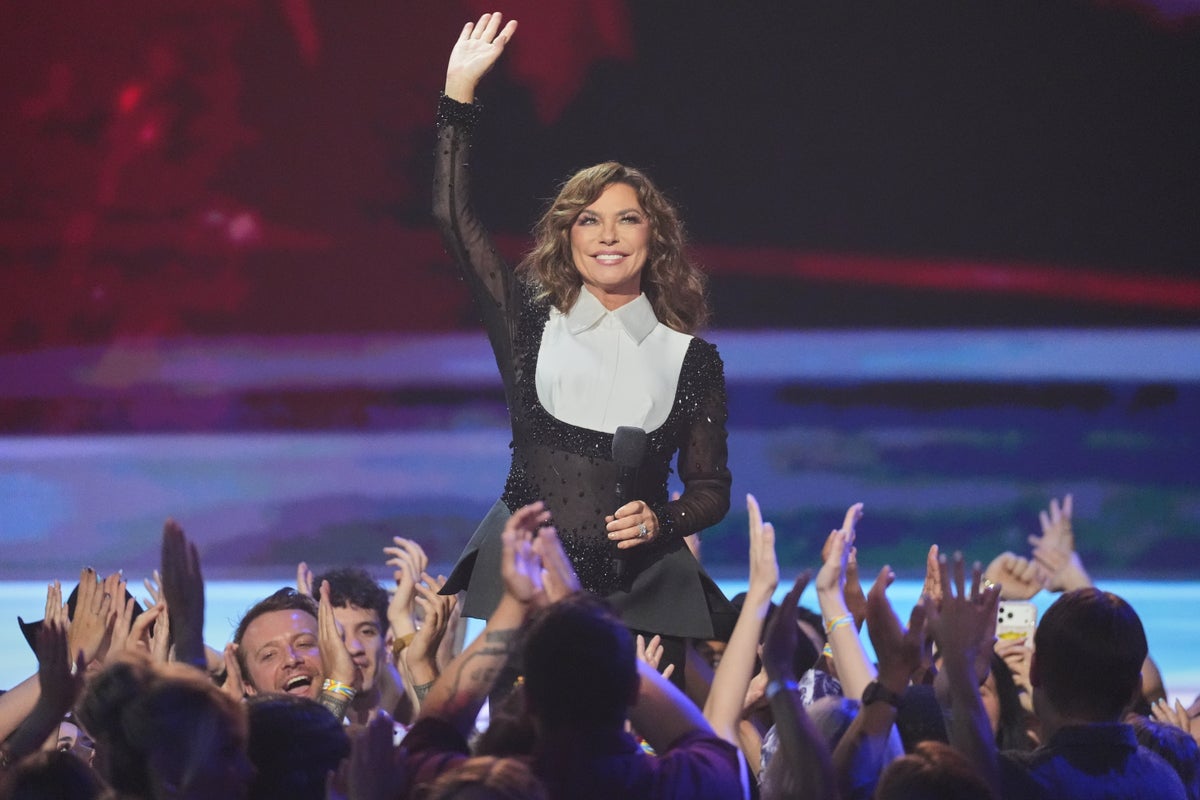
The sudden death of Hayden Panettiere has stunned the entertainment industry and forced an uncomfortable reckoning regarding the systemic exploitation of child stars. Reports confirmed that the former Nashville and Heroes actress passed away from an apparent overdose, bringing a devastating end to a life spent almost entirely in the glaring spotlight of public consumption. She was thirty-one. Fans across the globe woke up to the grim reality that another bright talent, chewed up and spit out by an unforgiving machine, had quietly slipped away in the dark.
For decades, the public has consumed the cautionary tales of young performers rising to meteoric heights only to crash violently against the rocks of adulthood. Yet, the billion-dollar apparatus keeping this machinery oiled continues to operate unchecked. This loss is not merely an isolated tragedy involving one troubled individual. It represents a systemic failure of protection, a symptom of an industry that treats vulnerable minors as disposable commodities rather than human beings undergoing critical developmental stages.
To understand how Panettiere arrived at this final, tragic moment, one must trace the timeline back to her earliest days on television. Born in New York, she began appearing in commercials at just eleven months old. By four years old, she was a fixture on daytime soap operas like One Life to Live and Guiding Living. While most children were learning long division and playing on neighborhood jungle gyms, Panettiere was memorizing scripts, navigating adult emotional demands, and working grueling hours under studio lights.
The Gilded Cage of Early Fame
Childhood is designed for error, growth, and privacy. The child actor's existence eliminates all three. Every misstep, awkward phase, and personal crisis is documented, archived, and monetized by a public hungry for sensationalism. By the time Panettiere landed her breakout role as cheerleader Claire Bennet on NBC's superhero drama Heroes at age seventeen, she had already spent over a decade in the grueling trenches of professional acting.
The psychological toll of this environment is well-documented by developmental psychologists, though rarely addressed by studio executives. When a child's financial output supports an entire family unit, the power dynamics warp irreparably. The child ceases to be a child and becomes the primary corporate asset. Boundaries dissolve. Work environments that would trigger labor board investigations in any other sector are normalized under the guise of show business glamour.
Furthermore, the transition from child star to adult actor is a statistical minefield. Audiences resist watching their surrogate children grow up, sexualize, or rebel. Agents and managers who profited immensely off the youthful innocence of a performer often scramble to pivot or abandon them entirely once the adolescent awkwardness sets in or personal struggles emerge. Panettiere experienced this whiplash firsthand, moving from the global phenomenon of Heroes directly into the gritty, high-pressure ensemble of Nashville, all while battling severe postpartum depression and substance abuse issues that played out in real-time across tabloid headlines.
The Anatomy of Industry Complicity
Hollywood loves a comeback story, but it loves the descent even more. The media ecosystem surrounding celebrity culture functions as an accelerant for mental health crises. Paparazzi stake out rehab facilities, gossip blogs track personal relationships with predatory glee, and publicists manage crises through sanitized damage-control statements while offering zero genuine support behind closed doors.
When Panettiere courageously spoke out about her battles with postpartum depression following the birth of her daughter in 2014, she was met with a mixture of public sympathy and voyeuristic fascination. But sympathy without institutional support is hollow. The entertainment industry lacks mandatory, independent mental health safety nets for performers who transition from youth to adult contracts. Unions like SAG-AFTRA have fought valiantly for wage minimums and pension protections, but psychological safety remains a glaring blind spot in collective bargaining agreements.
Consider the mechanics of a typical television shooting schedule. Fourteen-hour days, physical exhaustion, emotional manipulation to extract authentic tears or terror on cue, and perpetual scrutiny. For an adult with fully formed neural pathways and coping mechanisms, the strain is immense. For someone whose brain did not finish developing until their mid-twenties in an artificial, hyper-critical fishbowl, the strain is frequently catastrophic.
[Child Stardom] ---> [Developmental Disruption] ---> [Public Scrutiny] ---> [Isolation] ---> [Crisis]
The absence of guardrails allows networks and production companies to look the other way as long as the talent hits their marks and delivers ratings. When the performer inevitably breaks under the weight, the industry simply discards them and moves on to the next fresh face waiting in the wings.
Breaking the Cycle
Changing this trajectory requires more than thoughts and prayers shared on social media by former co-stars. It demands structural reform. First, child labor laws specific to the entertainment industry must be radically updated to mandate independent, licensed psychological counseling that is entirely separate from studio-hired production doctors whose primary loyalty lies with the bottom line.
Second, financial shielding is mandatory. The alarming frequency with which former child stars face financial ruin points to a failure of trust management. Laws modeled after the classic Coogan Act must be expanded nationwide and globally, ensuring that a significant percentage of a minor's earnings are locked away securely, inaccessible by parents, managers, or agents until the individual reaches adulthood.
Finally, audiences bear a portion of the responsibility. The ravenous demand for celebrity gossip, drug addiction updates, and personal downfalls creates the economic incentive for predatory media outlets to hound vulnerable individuals. Until consumers reject the commodification of private pain, the machinery will continue to find new fuel.
Hayden Panettiere deserved better. She deserved an industry that valued her well-being above her marketability, and a public that allowed her to stumble, heal, and grow away from the magnifying glass. As her story fades from the immediate news cycle, the systems that permitted this tragedy remain fully operational, waiting quietly for the next young talent to step into the light.