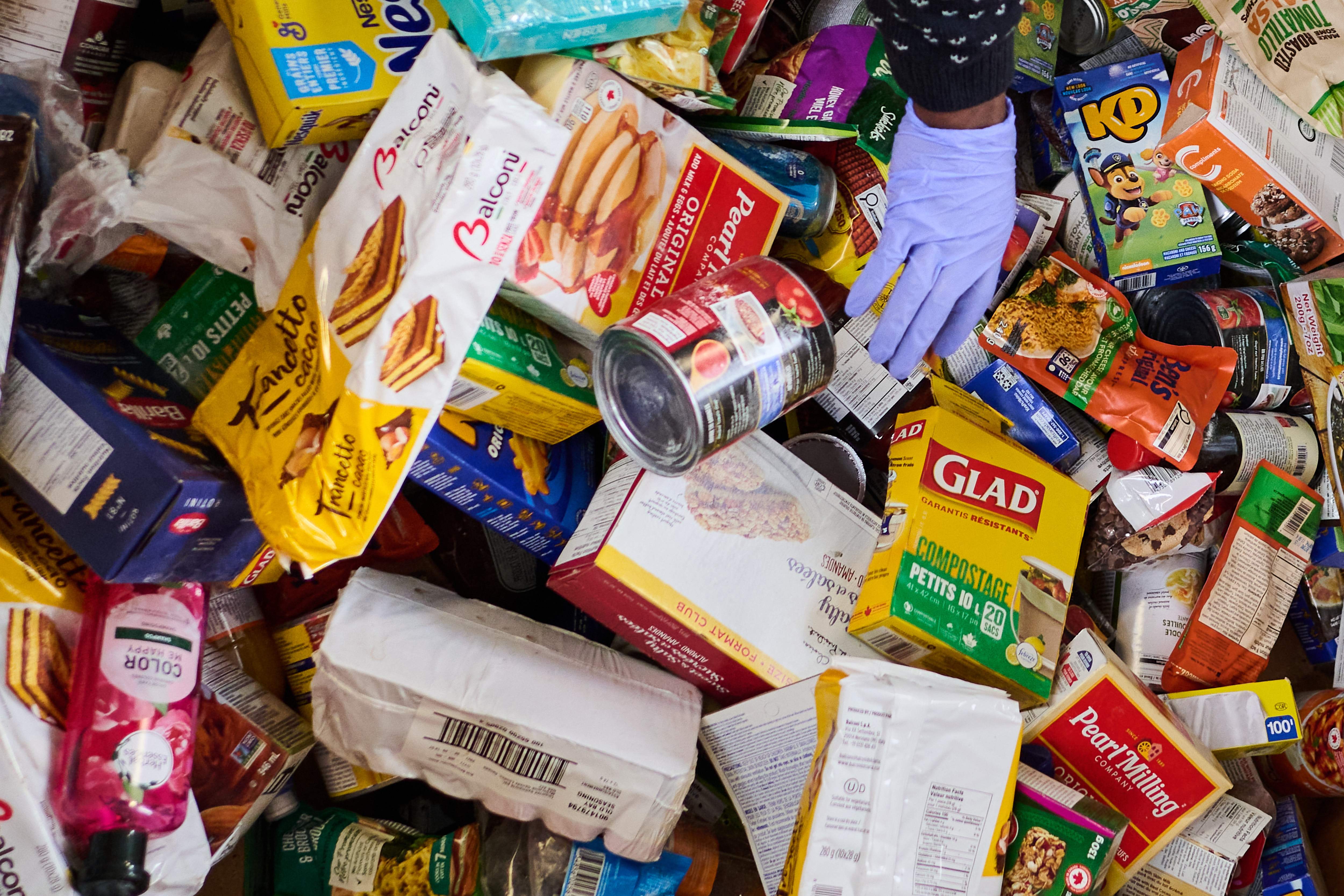
A catastrophic sewer pipe failure forced a major Toronto food bank to shut its doors abruptly, cutting off thousands of vulnerable residents from basic sustenance and exposing the precarious physical infrastructure underpinning urban hunger relief. When a subterranean utility line collapses, the immediate casualty is typically property damage or environmental runoff. In this case, the rupture compromised public health compliance standards, flooding essential storage areas and halting food distribution networks across the city.
Emergency closures of this magnitude do not happen in a vacuum. They represent the collision point between escalating community need and decades of deferred municipal maintenance. As demand for charitable food assistance hits record highs across Ontario, the facilities housing these operations are cracking under the weight.
Let us examine why a single broken pipe can paralyze a vital distribution hub, how municipal neglect threatens the social safety net, and what this crisis reveals about urban resilience.
The Anatomy of a Utility Collapse
Municipal infrastructure ages silently out of sight until catastrophe strikes. Beneath asphalt and concrete, underground drainage networks built decades ago are reaching the end of their design life. When a main sewer line fails beneath a commercial or industrial building zoned for charitable use, the consequences cascade instantly.
Wastewater backup creates an immediate biological hazard. Health codes prohibit the distribution of dry goods, produce, or refrigerated items exposed to raw sewage contamination. The affected Toronto facility faced an instant write-off of thousands of pounds of inventory alongside structural remediation demands.
Repairing commercial plumbing infrastructure in older urban cores is rarely straightforward. Municipal permits, environmental assessments, and specialized contractors delay restoration work by weeks or months. During this downtime, the operational vacuum grows. Food that would have reached family tables sits in limbo, while logistics coordinators scramble to redirect incoming donations to alternative sites that are already operating at maximum capacity.
The Strain on the Relief Network
Toronto's food security apparatus relies on a decentralized web of warehouses, community pantries, and transit vehicles. When a central node drops offline, the surrounding nodes absorb the shock. Unfortunately, those secondary locations rarely possess the storage capacity or volunteer bandwidth to handle a displaced surge in clientele.
Logistics bottlenecks emerge almost immediately. Refrigerated trucks must be rerouted. Forklift operators pull double shifts at secondary depots. Volunteers field calls from distressed families who arrive at locked doors, unaware that a burst pipe three feet beneath the basement floor has halted operations.
This incident underscores a harsh reality about modern charity. Non-profit organizations operate on razor-thin margins. Capital reserves are earmarked for purchasing provisions, not for replacing commercial-grade sewer mains or retrofitting aging municipal hookups. When physical plant failures occur, organizations depend entirely on emergency grants, philanthropic bailouts, or municipal intervention to reopen.
Deferred Maintenance and Municipal Blind Spots
Municipalities across Canada face a multi-billion-dollar infrastructure deficit. Aging stormwater management systems, combined with increasingly volatile weather patterns and heavy spring thaws, place unprecedented stress on underground piping. Cities prioritize transit lines, commercial downtown cores, and high-density residential zones when allocating capital improvement budgets.
Charitable warehouses, often relegated to industrial fringe zones or older repurposed buildings, frequently occupy the lowest tier of municipal utility prioritization. Property owners renting to non-profits may lack incentives to invest in proactive plumbing overhauls, relying instead on a reactive repair model.
That reactive model has run out of runway.
When a food bank closes because of structural failure, the failure belongs to the entire civic ecosystem. Urban planning models must begin treating food distribution centers as critical infrastructure, on par with transit stations, electrical substations, and water treatment plants. If a city cannot guarantee that the physical buildings feeding its residents possess secure, modern utility hookups, the safety net is nothing more than an illusion.
The doors in Toronto will eventually reopen after remediation crews clear the site and pass health inspections. But the underlying vulnerability remains unaddressed, waiting quietly beneath the floorboards for the next heavy rain or the next rusted joint to give way.