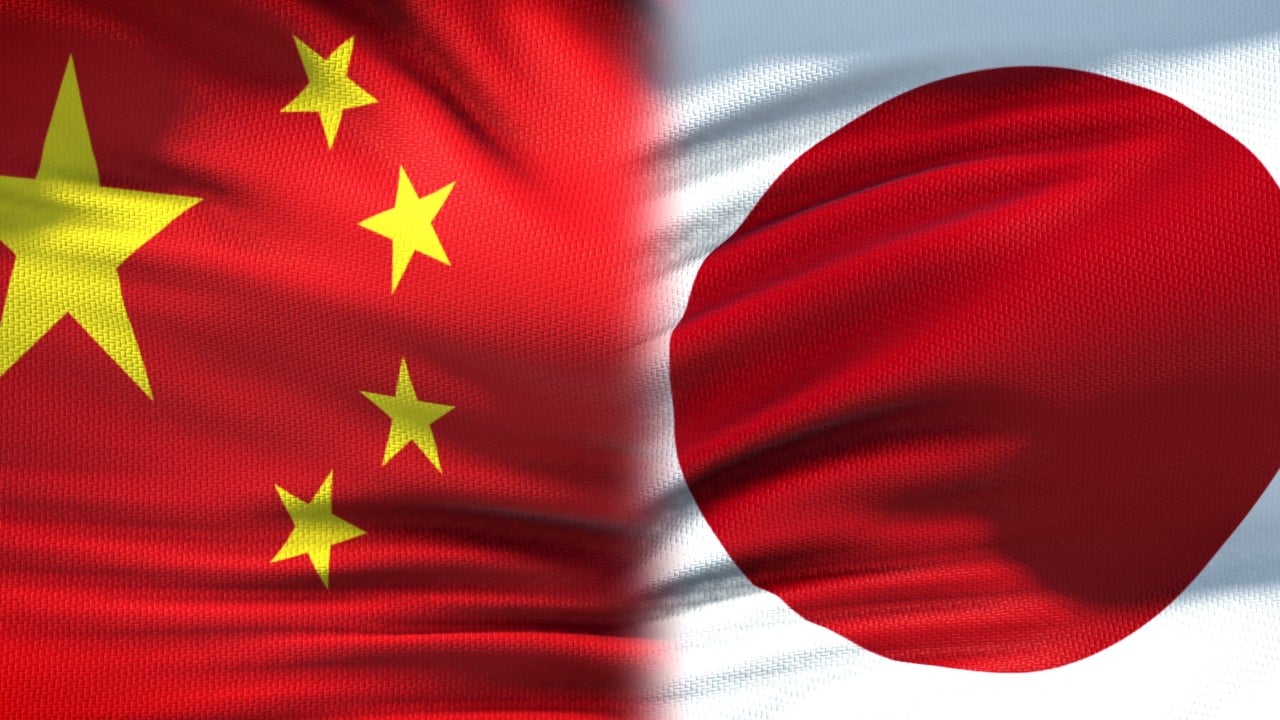
Legislators packed their bags for Beijing with quiet desperation in their briefcases, hoping to thaw a frozen diplomatic winter. Japanese lawmakers are traveling to China in an attempt to repair a bilateral rift that has paralyzed economic cooperation and heightened maritime friction. Diplomatic history suggests they will accomplish very little. Parliamentary delegations without executive authority rarely alter sovereign policy. They serve as political theater while foreign ministries maintain their rigid postures.
The Anatomy of a Toothless Delegation
When elected officials from Tokyo board planes for the mainland, they carry portfolios full of well-intentioned talking points and empty hands. They do not write foreign policy. They lack the mandate to negotiate trade concessions, maritime boundaries, or security pacts.
Bipartisan groups visiting Beijing often frame their mission as a bridge-building exercise. Realists call it photo-opportunity diplomacy.
- No Executive Authority: Backbenchers and senior party members outside the cabinet cannot commit their home government to a binding treaty.
- Domestic Optics: Lawmakers often make these trips to appease domestic business lobbies demanding access to Chinese manufacturing hubs, rather than to resolve root geopolitical grievances.
- Parallel Tracks: While politicians sip tea in the Great Hall of the People, defense planners in both capitals continue expanding naval patrols and missile batteries.
Beijing understands this structural impotence better than anyone. Chinese statecraft operates on centralized power and hierarchical discipline. When a decentralized delegation of Japanese parliamentarians arrives, leadership in Beijing views them through a pragmatic lens. They are listened to politely, photographed under chandeliers, and sent home with vague assurances about regional stability that change nothing on the ground.
Economic Gravity Versus Strategic Friction
Trade numbers tell a story of forced coexistence. Corporations on both sides refuse to decouple completely despite mounting political hostility. Supply chains remain thoroughly entangled. Tokyo relies heavily on Chinese rare earth elements, while Chinese manufacturers depend on Japanese precision machinery and advanced chemicals.
This economic interdependence creates a strange paradox. Politicians fly to Beijing to plead for commercial normalcy while their respective defense budgets hit record highs.
Factory floors hum while naval destroyers shadow each other near contested islets. Corporations manage risk by diversifying supply chains toward Southeast Asia, quietly hedging against a sudden military escalation. Lawmakers ignore this structural shift. They cling to the outdated assumption that economic ties will forever immunize the two nations against open conflict.
History offers a brutal correction to that theory. Economic integration did not stop European powers from tearing themselves apart in the twentieth century. It will not stop East Asian powers from stumbling into a crisis if maritime miscalculations outpace diplomatic channels.
The Domestic Trap Facing Tokyo
Politicians in Tokyo face a narrow and unforgiving political corridor. Hardliners within the ruling party punish any perceived weakness toward Beijing. Public opinion in Japan has turned sharply skeptical regarding China's territorial ambitions and regional posture.
Stepping onto a plane for Beijing requires political capital that few lawmakers are willing to spend unless they can spin the trip as tough-minded engagement.
- Public Scepticism: Voter polls across Japan consistently demonstrate deep distrust of Beijing's foreign policy intentions.
- Party Factions: Conservative heavyweights monitor every statement made abroad, ready to label any conciliatory remark as appeasement.
- Media Scrutiny: Domestic journalists hound returning politicians for tangible concessions, making modest diplomatic gestures look like humiliating failures.
This domestic reality ensures that parliamentary visits remain timid. A politician who sounds too accommodating in Beijing finds their career stalled upon returning to Tokyo. Consequently, delegation members adopt a defensive posture, reading pre-approved scripts about mutual prosperity while avoiding the hard truths about sovereignty, trade restrictions, and military deterrence.
Why Structural Realities Trump Good Intentions
Diplomacy requires leverage. If you bring nothing to the table, you walk away with nothing.
The structural deadlock between the world's third-largest economy and its second-largest cannot be resolved by backchannel chatter among parliamentarians. The disputes run too deep. They involve competing visions for regional dominance, control over vital sea lanes, and fundamentally incompatible security alignments with the United States.
Real negotiations happen behind locked doors in foreign ministries, backed by military readiness and economic coercion. Until executive leaders in both capitals decide the cost of hostility outweighs the benefit of confrontation, parliamentary delegations remain little more than tourists in dark suits looking for a headline that never comes.