Tiger Woods is altering his legal strategy. Court documents filed in Florida reveal that the golf icon plans to change his not guilty plea following a high-profile rollover crash.
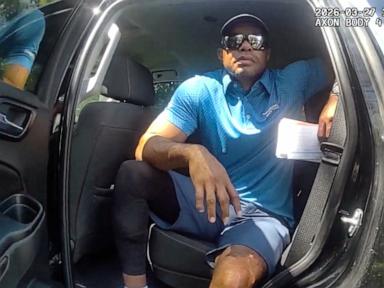
The incident happened back in March on Jupiter Island. Woods was driving his Land Rover on a residential road when he clipped a truck, causing thousands of dollars in damage. His vehicle rolled onto its side. While he managed to crawl out uninjured, law enforcement arrested him on suspicion of driving under the influence.
Initially, his legal team entered a not guilty plea and demanded a jury trial. That stance is shifting now. A scheduled plea conference hearing in Martin County Circuit Court points toward a resolution that avoids a messy courtroom battle.
Behind the Arrest Details
The specifics of the March 27 stop painted a complicated picture. Deputies on the scene noted that Woods showed physical signs of impairment. He told officers he was looking down at his phone and adjusting the radio when he struck the vehicle.
A breathalyzer test came back completely clean for alcohol. Even so, authorities found two pain pills—identified as hydrocodone—in his pocket. Woods admitted to taking prescription medication, pointing toward his extensive history of back and leg surgeries as the underlying context for pain management. He refused a subsequent urine test, which added another layer to the legal charges.
Prosecutors subsequently sought and received approval to comb through his medical records and prescription history from local Palm Beach pharmacies. With that evidence gathered, fighting the charges at trial became an uphill battle. Changing the plea usually signals a negotiated agreement with prosecutors, often involving a reduction in charges or an alternative sentencing program that includes treatment.
The Broader Impact on His Career
Legal troubles are nothing new for the 15-time major champion, but the timing of this case hits hard. This crash marks his fourth major vehicle-related incident since 2009, following the infamous 2017 DUI arrest involving prescription drugs and the severe 2021 single-car crash that nearly cost him his right leg.
Following the March arrest, Woods stepped away from competitive golf again. He traveled outside the United States for inpatient treatment, prioritizing his health over a return to the PGA Tour. Though he made a brief public appearance in late June to introduce upcoming tour schedule changes, he remains sidelined from competitive play.
Resolving this court case cleanly allows him to close a dark chapter. Expect the upcoming hearing to establish a path forward that keeps him out of jail and focuses squarely on long-term health management. Take note of how legal experts handle prescription-related DUI cases; transparency and proactive treatment usually mitigate the worst penalties, a route Tiger's camp appears to be taking now.


