Aarav sat in a tiny, windowless laboratory in Pittsburgh, the hum of computer servers vibrating through the soles of his shoes. It was three in the morning. His eyes, bloodshot from staring at lines of Python code, drifted from his neural network output to a small, laminated piece of paper on his desk. His Form I-20. On it, under the section for visa duration, were three letters written in faded black ink: "D/S."
Duration of Status.
For decades, those three letters represented a quiet, unspoken pact between the United States and the brightest minds on the planet. They meant that as long as Aarav remained enrolled, kept his grades up, and continued pushing the boundaries of machine learning, he was welcome. No arbitrary end dates. No constant, low-grade panic of deportation. Just a simple promise: do the work, and you can stay to finish it.
But the rules of the game are shifting underfoot.
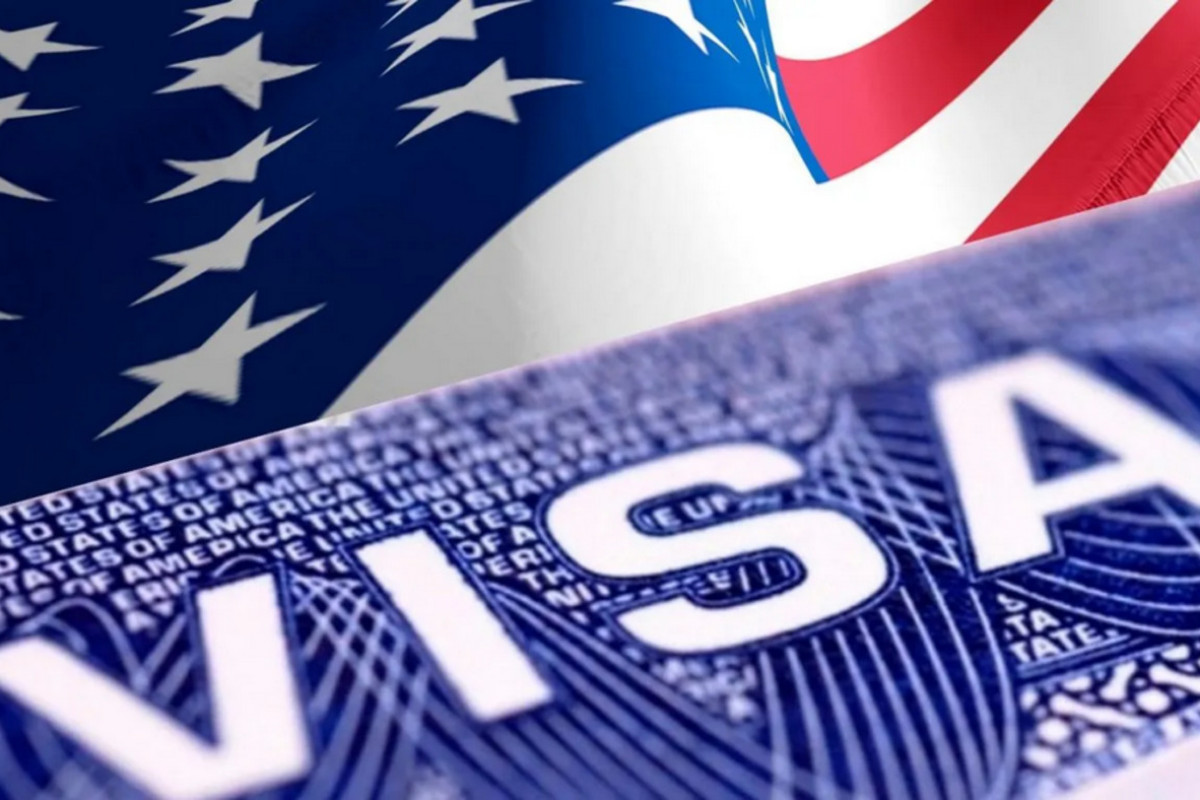
The U.S. government proposed a sweeping overhaul of visa regulations, aiming to strip away this flexible status and replace it with a hard, uncompromising expiration date. For foreign students and international journalists, the clock is suddenly ticking. Loudly.
The Invisible Shield of Duration of Status
To understand why this bureaucratic tweak is sending shockwaves through universities and newsrooms worldwide, you have to understand how the system has worked for nearly half a century.
When an international student or a foreign correspondent enters the United States, they do not receive a standard visa with a hard expiration date. Instead, they receive that "D/S" stamp. It is an acknowledgment that education and journalism do not adhere to neat, four-year cycles. A Ph.D. in biotechnology might take five years, or it might take seven. A groundbreaking investigative piece on regional geopolitical shifts might require years of cultivating sources on American soil.
The proposed policy changes want to replace this fluid system with a strict, fixed-term admission period. For most, that means a maximum of four years. For citizens of dozens of countries—mostly in Africa, Asia, and the Middle East—that limit shrinks to just two years.
Imagine trying to complete a complex doctorate when your legal right to exist in the country expires before you even reach your candidacy exams.
Consider what happens next. A student must apply for an extension. On paper, this sounds like a simple administrative hurdle. In reality, it is a high-stakes gamble. It requires paying hefty fees, submitting to biometrics screenings, and waiting months for a decision from an backlogged immigration agency. During that waiting period, your life is on pause. You cannot travel. You cannot easily renew your driver’s license. You live in a state of suspended animation, waiting for a bureaucrat to decide if your research is still worthy of American soil.
The Human Cost of High-Stakes Bureaucracy
Let’s talk about Anya.
Anya is a foreign journalist covering environmental policy from Washington, D.C. She works for a major European daily, translating the complex decisions of Capitol Hill for millions of readers back home. Her work is not flashy, but it is vital. Under the current rules, her "I" visa allowed her to stay as long as she remained employed by her media outlet.
Under the proposed changes, journalists like Anya would be capped at a maximum of 240 days for an initial stay, with strict limits on extensions.
Journalism is built on trust. Trust takes years to build. If a foreign correspondent has to pack her bags and leave every few months because her visa is expiring, she cannot do her job. The stories that matter—the slow-burning investigations into corporate corruption, the deep profiles of American communities—simply will not get written.
The policy is driven by a desire for national security and immigration control. Proponents argue that the current system lacks oversight, making it easy for individuals to overstay their welcome without the government’s knowledge. They argue that a fixed-date system forces regular check-ins, ensuring that everyone in the country is supposed to be here.
It is a logical argument on its face. But it ignores how human beings actually behave.
Talent is highly mobile. The world's best and brightest do not have to choose America. When you make the environment hostile, they look elsewhere. Canada, Germany, the United Kingdom, and Australia are actively rolling out the red carpet for the very researchers and storytellers that the United States is pushing away. They offer clear pathways, predictable timelines, and a sense of stability.
The Brain Drain is Not a Theory
We often talk about "brain drain" as an abstract economic concept. We analyze charts, debate immigration statistics, and project GDP losses. But the real problem lies elsewhere. It lies in the quiet decisions made in student apartments and newsrooms late at night.
It is the decision of a brilliant quantum computing researcher from Mumbai to accept a fellowship in Toronto instead of Boston because she knows she won’t have to beg for a visa extension in two years. It is the decision of a young investigative reporter from Nairobi to set up his bureau in London rather than New York because he wants to focus on his stories instead of his immigration status.
For Aarav, the stress is physical.
His research on deepfake detection algorithms could help secure democratic elections worldwide. It is work that requires deep focus, long hours, and a clear mind. Instead, he spends his weekends scanning immigration forums, reading horror stories of denied extensions, and drafting contingency plans.
He feels like a guest who has been invited to dinner, only for the host to repeatedly tap their watch and remind them that the door is locked after midnight.
The United States built its technological and cultural hegemony on a simple premise: if you are the best at what you do, we want you here. We will give you the resources, the freedom, and the stability to build the future. That stability is the bedrock of innovation. You cannot build a groundbreaking startup or write a career-defining piece of journalism when you are constantly looking over your shoulder, waiting for the clock to strike midnight.
The ink on the proposed regulations is not yet permanent, but the chill is already in the air. As the debate continues in the halls of power, thousands of students and writers are looking at their calendars, counting down the days, and wondering if the American dream is still worth the price of admission.
Aarav turned his eyes back to the monitor. The code was running, a steady stream of green text scrolling down the screen. Outside, the first light of dawn was beginning to paint the Pittsburgh sky a cold, metallic grey. He sighed, picked up the laminated I-20 form, and slid it into his backpack, hoping that those three letters—D/S—would still mean something when the sun finally came up.