The White House just dropped a series of photos that look like they belong in a high-budget political thriller, but the stakes couldn't be more real. On February 28, 2026, the world woke up to the news of Operation Epic Fury—a massive, joint U.S.-Israeli military campaign aimed directly at the heart of the Iranian regime. But instead of the traditional wood-paneled gloom of the West Wing Situation Room, we see President Donald Trump monitoring the opening salvos from a makeshift command center at Mar-a-Lago.
It's a jarring image. Trump is there in his signature "USA" cap, surrounded by Secretary of State Marco Rubio, Chief of Staff Susie Wiles, and Chairman of the Joint Chiefs General Dan Caine. While Vice President JD Vance held down the fort in the actual D.C. Situation Room with Tulsi Gabbard and Scott Bessent, the real seat of power over the weekend was clearly in Palm Beach.
Critics are already tearing the photos apart. They're calling it "ballroom diplomacy" and pointing out security risks. But if you look past the gold trim and the "improvised" feel of the room, these images tell us everything we need to know about how this administration intends to run a war.
A new kind of war room in Palm Beach
The White House wants you to see a president in total control. By releasing these photos, they're signaling that the physical location of the Commander-in-Chief doesn't matter as much as his proximity to the decision-making process. The setup at Mar-a-Lago featured secure video links to the Pentagon and the West Wing, effectively turning a resort into a global strike hub.
Critics on social media were quick to mock the "curtains and stickers" aesthetic. One viral post suggested a guy was "peeking in" from the club. Others claimed the maps visible in the background might have accidentally leaked U.S. asset locations. Whether those maps were "active" or just for the cameras is a debate for the intelligence community, but the message was received: Trump is the one pulling the strings, even from a Florida ballroom.
Operation Epic Fury hits the regime hard
This wasn't just another limited strike on a few radar installations. Operation Epic Fury is an all-out air and missile campaign. Along with Israel’s "Operation Roaring Lion," it’s probably the most significant joint military operation in history. We're talking hundreds of targets across Iran, from nuclear enrichment sites at Fordow and Natanz to the heart of the Islamic Revolutionary Guard Corps (IRGC).
Trump didn't mince words in his Truth Social posts. He's already declared Supreme Leader Ali Khamenei dead. While Tehran is still trying to counter that narrative on social media, the reported strikes on Khamenei's compound in the Pasteur district of Tehran don't leave much room for doubt. The goal here isn't just to "degrade" Iranian capabilities—it's to dismantle the regime entirely.
Why the military and the White House are acting now
The Trump administration’s reasoning is simple: diplomacy is officially dead. After months of what officials describe as "games and stall tactics" from Tehran, the decision was made to strike first. A senior administration official told reporters that the risk of waiting to get hit was just too high. The thinking is that if you let a nuclear-armed Iran throw the first punch, the casualty count would be astronomical.
Instead, they launched a preemptive strike that's being described as "defensive" in nature. It’s an aggressive stance that’s shaking the foundations of international law, which usually requires a more direct "armed attack" before you can start dropping bunker-busters. But this administration has clearly decided that the old rules don't apply when you're dealing with a regime they view as an existential threat.
What’s actually being targeted in Iran
- Nuclear Infrastructure: We’re seeing reports of B-2 stealth bombers dropping massive GBU-57 bunker-busters on underground facilities.
- Missile Industry: Trump has vowed to "raze" the Iranian missile program to the ground.
- Naval Assets: The IRGC Navy, including the frigate Jamaran, has reportedly been targeted.
- Leadership: This is a decapitation strike. They’re going after the people who run the country, not just the soldiers on the ground.
The risks of the Mar-a-Lago strategy
You can't ignore the security concerns here. When you're running a major military operation from a private club, things are bound to get messy. There’s a reason the Situation Room in the West Wing cost $50 million to renovate—it’s designed to be a vacuum. Mar-a-Lago, for all its luxury, is a public space.
Beyond the physical security, there’s the optics. Using a resort for war monitoring feels a little too much like a reality show for some. It raises questions about who else might be in the building and whether sensitive briefings are being overheard. But for Trump, this is about being where he feels most comfortable and where he believes he's most effective.
What happens next in the Middle East
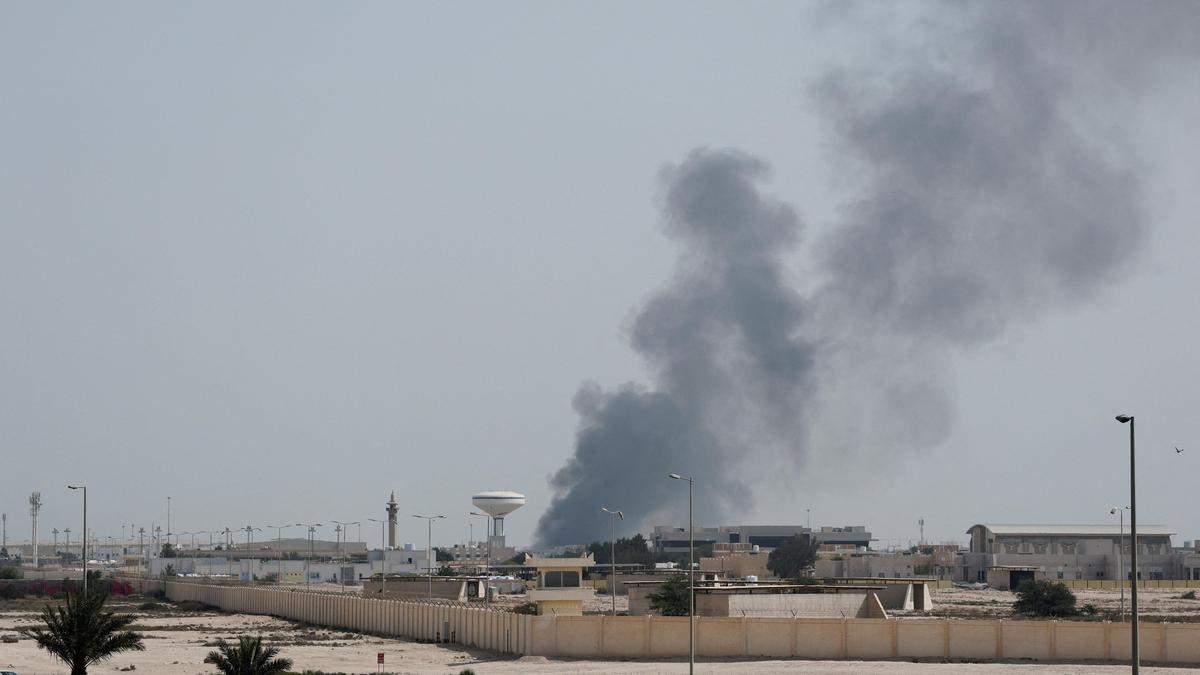
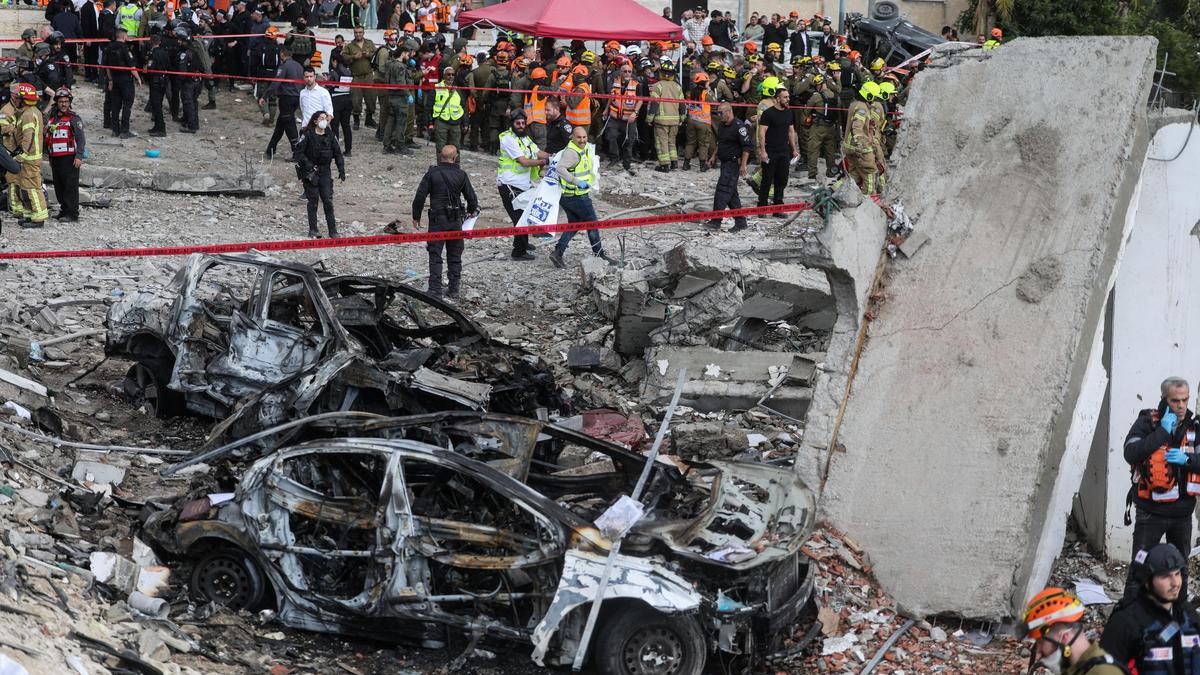
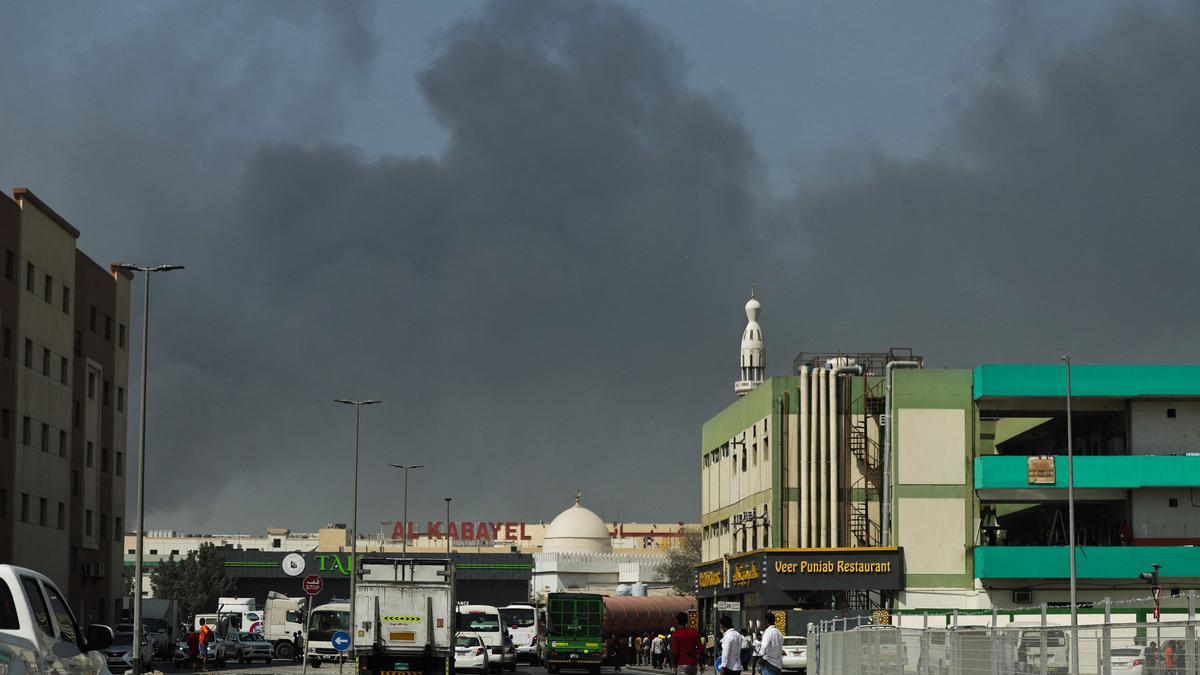
The fallout from these strikes is already happening. Iran hasn't just sat back and taken it. They’ve launched their own ballistic missiles and drones at Israel and at Gulf states like Saudi Arabia, the UAE, and Qatar that host U.S. forces. It’s a regional firestorm that shows no sign of cooling down.
Trump has a clear message for the people of Iran: "This will be probably your only chance for generations." He's calling for a full-scale uprising, telling Iranians that the country is "theirs to take." It's a massive gamble. If the regime collapses, it’s a historic win for the administration. If it doesn't, we’re looking at a prolonged, messy conflict that could drag on for weeks or months.
The political stakes at home
This isn't just a military operation; it's a political one. The release of these photos is designed to show a strong, decisive leader in action. With Vice President JD Vance and Secretary of State Marco Rubio prominently featured, the administration is presenting a united front. They want the American public—and the rest of the world—to see that they're not afraid to use force to protect national interests.
But expect a fight in Congress. Critics are already questioning the President's authority to launch such a massive campaign without a formal declaration of war. War Powers resolutions are likely on the horizon, but for now, the administration is moving forward at full speed.
Keep an eye on the official White House social media channels and major news outlets like the AP and Reuters for the latest on the strike tallies. The situation is moving fast, and what we see in those photos is just the beginning of a very long, very dangerous road. Check for updates on regional troop movements and any further statements from the Iranian Revolutionary Guard as they try to reorganize.