The text message usually arrives with a standard, digital chime. It is the same sound that alerts you to a grocery delivery, a work email, or a meme from a cousin. But in the villages of southern Lebanon, that generic ringtone has become the dividing line between an organized life and total chaos.
When the Israeli military issues a digital evacuation order, it does not come with a discussion. It is a command broadcast via SMS, social media, and dropped leaflets. It tells tens of thousands of people that their immediate geography—the kitchen where the tea is brewing, the bed where a child is napping—is now a combat zone. The message is simple: leave now, move north of the Awali River, save your lives.
But how do you pack a generation of memories into the back of a battered sedan in fifteen minutes?
Consider a family in Nabatiyeh. Let us call the father Rami. He is not a combatant; he is a schoolteacher who spent twenty years building a modest concrete home. When the warning flashes on his screen, the clock starts ticking. He has to choose. Does he grab the family’s birth certificates, or the hard drive containing every photo of his late mother? Does he pack extra blankets for the cold nights ahead in an overcrowded shelter in Beirut, or does he use that space for water bottles?
His wife is frantically checking on her elderly uncle next door, who refuses to move because his knees are ruined and he remembers the wars of 1982 and 2006. The uncle believes that if he stays quiet, the storm will pass over him. He is wrong. Modern warfare does not negotiate with stubbornness.
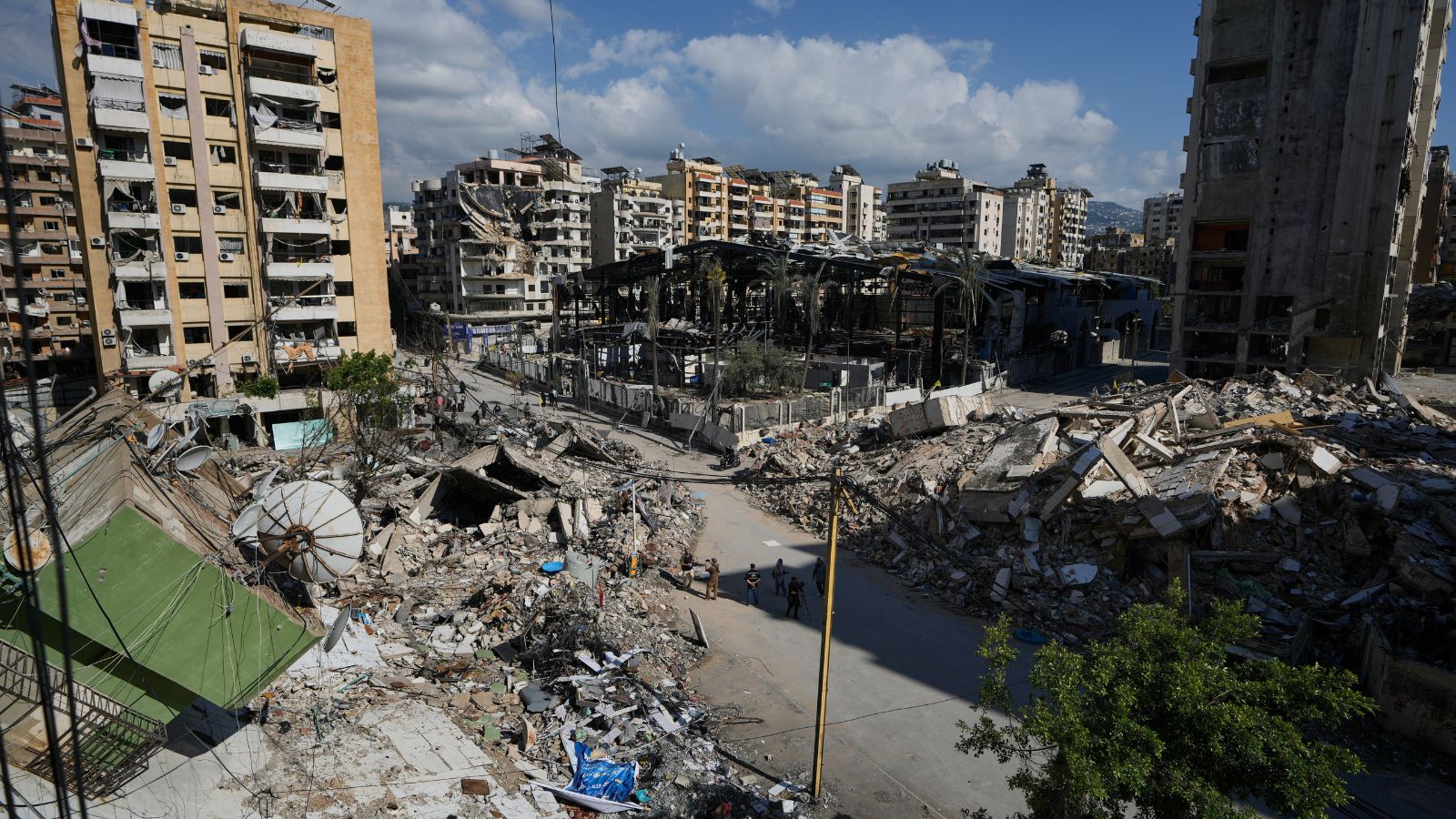
This is the invisible anatomy of displacement. It is not just a statistic on a news ticker reading "100,000 displaced." It is the smell of burning rubber as hundreds of cars choke the narrow coastal highways. It is the sound of a child crying because they had to leave their cat behind. It is the sudden, terrifying realization that you are now a refugee in your own country.
The military logic behind these orders is presented by Israel as a humanitarian effort to minimize civilian casualties while targeting Hezbollah's deeply embedded infrastructure. The argument is clinical: if civilians leave, anyone remaining is presumed hostile, and the targets can be neutralized with maximum force. Hezbollah has spent decades weaving itself into the fabric of these southern towns, burying rocket launchers in garages and digging tunnels beneath olive groves. To strike the weapon, the military insists it must clear the room.
But this clinical logic collides brutally with human reality. The Awali River, the designated safe line, sits dozens of miles north of the traditional border. Moving beyond it means abandoning entire agricultural hubs, leaving fields of tobacco and citrus to rot, and flooding cities like Sidon and Beirut with desperate people who have nowhere to sleep but school benches or public parks.
The roads heading north become rivers of metal. Bumper-to-bumper traffic stretches for miles under a hot sun. Drivers watch their fuel gauges drop with a dry throat; a stalled car means abandonment. Rumors fly from window to window as cars idle in the heat. Is the highway ahead safe? Did a strike just hit the bridge up north? The uncertainty is a psychological weight that crushes resolve long before the physical fatigue sets in.
We often view geopolitical conflicts through the lens of maps, arrows, and strategic triumphs. We talk about the degradation of Hezbollah's command structure or the tactical necessity of a buffer zone. But maps do not capture the smell of fear inside a packed minibus. They do not show the humiliation of a proud grandmother sleeping on a cardboard sheet in a makeshift sanctuary.
The tragedy of the modern Levant is that this script is entirely unoriginal. The older generation walking these roads has done this before. They know the routine. They know that a "temporary evacuation" can easily stretch into months, sometimes years. They know that even if their house survives the bombs, the looters or the elements might claim what is left.
As night falls over the highway, the headlights create a long, glowing snake winding through the hills. Behind them, the southern horizon flashes with silent, distant thuds. The sky turns an unnatural orange.
Rami looks in his rearview mirror at his children sleeping fitfully in the back seat, their faces illuminated by the dashboard light. He does not know where they will sleep tomorrow, or if he will ever see his classroom again. He only knows that he is moving forward, driven by the oldest, most primal human instinct: to keep his bloodline alive for one more day, while the world he built crumbles into dust behind him.