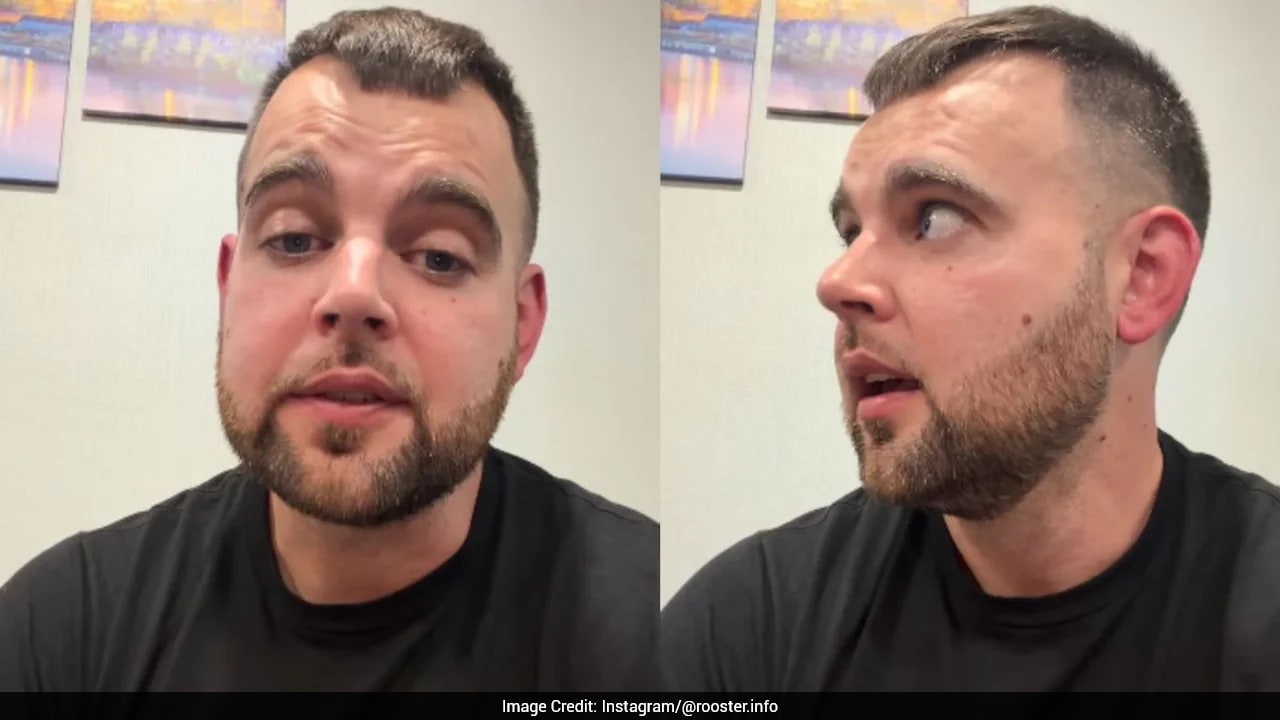
The boundaries of protected political expression face a distinct operational stress test when digital satire intersects with statutory definitions of telecommunications harassment. The October 2026 conviction of Ohio political blogger D.J. Byrnes in Willoughby Municipal Court provides a clear blueprint for examining how state legislatures and judicial bodies draw the line between caustic public commentary and criminal statutory violations.
The Anatomy of the Prosecution
The legal mechanism deployed against Byrnes was telecommunications harassment, a first-degree misdemeanor under Ohio law. To secure a conviction, the state was required to prove beyond a reasonable doubt that the defendant knowingly made a telecommunication with the purpose to harass, intimidate, or abuse. The communication in question was a digitally altered image of the cartoon character Shrek with an exposed, humanlike penis sent directly via text message to Ohio State Senator Jerry Cirino.
Statutory frameworks governing electronic communications typically rely on a dual-pronged standard:
- The presence or absence of a legitimate communication purpose.
- The specific intent to cause mental distress, annoyance, or alarm to the recipient.
While public figures, particularly elected officials, operate under a heightened threshold for defamation and annoyance due to First Amendment protections safeguarding criticism of governance, direct, targeted electronic transmissions to private or office numbers bypass public square doctrines. When communication shifts from public publishing platforms to direct-to-device messaging, the legal calculus changes from protected speech to targeted conduct.
The Intersection of Satire and Statute
Political satirists frequently employ vulgar, absurd, or grotesque imagery to subvert institutional authority. However, the medium and method of delivery dictate the legal vulnerability of the actor. The prosecution argued, and a municipal jury ultimately agreed, that sending unsolicited pornographic or obscene digital media directly to a lawmaker's phone falls outside the scope of protected political discourse.
The defense and civil liberties advocates, such as the Foundation for Individual Rights and Expression, framed the arrest as an overreach by a public official weaponizing law enforcement against a critical journalist. Yet, the statutory analysis hinges on the specific mechanics of intent and conduct rather than the political identity of the sender or receiver.
The cost function of such legal battles involves significant resource expenditure for both sides, reputational polarization, and the creation of legal precedents regarding what constitutes an acceptable electronic petition or communication to government officials. Byrnes faced a potential sentence of up to six months in jail, though the final judicial penalty resulted in a two-hundred-dollar fine and a judicial warning. This outcome signals a measured application of punitive measures by the court, balancing the technical violation of the statute against the eccentric nature of the political stunt.
The Operational Limits of Direct Electronic Engagement
Political commentators and activists operating in high-conflict environments must navigate clear operational boundaries to mitigate legal risk.
- Direct-to-device messaging campaigns directed at specific individuals bypass the protections afforded to broad public publishing.
- The use of obscene or sexually explicit imagery introduces statutory liabilities under obscenity and harassment laws that purely textual criticism avoids.
- State-level definitions of harassment frequently turn on the frequency, nature, and expected receipt of the communication, giving prosecutors wide discretion when an official formally requests law enforcement intervention.
When evaluating the efficacy of aggressive political rhetoric, actors must distinguish between systemic critique and targeted interpersonal disruption. The judiciary consistently differentiates between content published for public consumption and direct electronic transmissions designed to provoke an individual target.
Monitor communication channels for compliance with local telecommunications statutes, establish explicit internal protocols for interacting with public officials, and restrict political satire to public forums where First Amendment protections maintain maximum legal robustness.