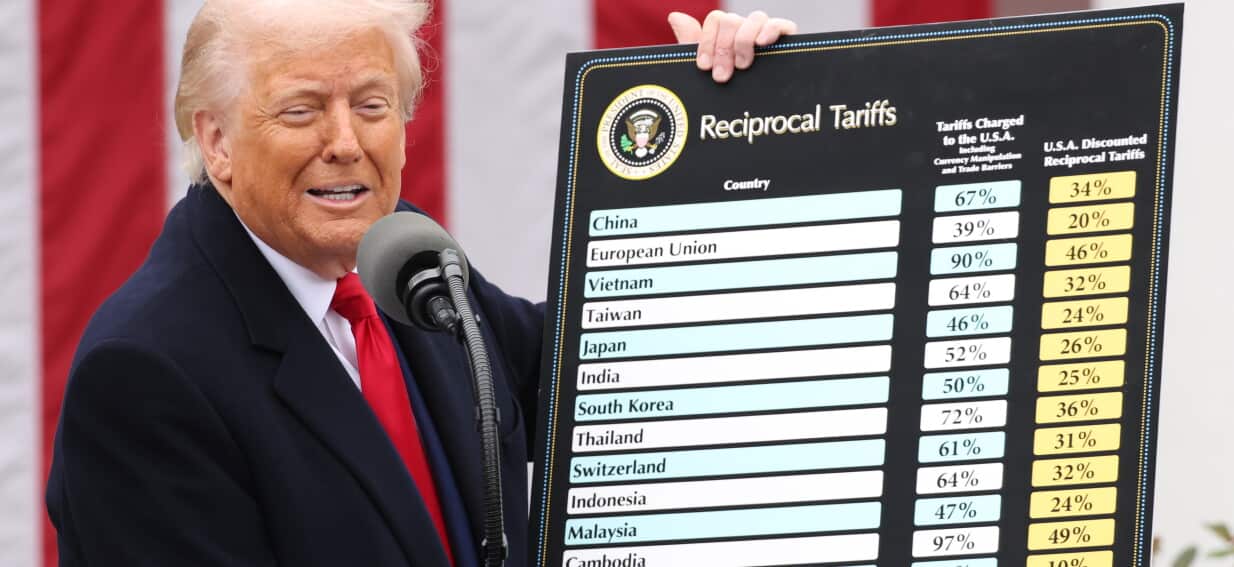
The federal government distributed roughly $166 billion in tax refunds during a single filing season, delivering temporary financial relief to tens of millions of American households. Yet that massive cash injection hid a far more complex structural trade-off. By over-withholding earned income throughout the year to secure an annual windfall, workers effectively issued interest-free loans to the U.S. Treasury during an era of elevated interest rates. This systemic reliance on annual refunds exposes how tax policy silently extracts real purchasing power from middle-class bank accounts, sacrificing compounding savings and debt reduction for a fleeting psychological reward.
The High Price of Interest-Free Lending to Washington
For decades, getting a huge check from the Internal Revenue Service felt like a victory. Millions celebrate it as a surprise bonus or a forced savings plan. It feels like free money.
It is not.
When a taxpayer receives a $3,000 refund, it simply means they overpaid their federal tax obligations by $250 every month. In a high-interest economic climate, that money sitting in government coffers costs the individual real returns.
Consider a hypothetical scenario where an employee named Alex overpays $250 each month into federal withholding. If Alex had kept that $250 monthly and placed it into a basic high-yield savings account earning 4% to 5% annually, those funds would have generated notable interest over twelve months. Instead, the federal government held that capital interest-free. Alex receives only the principal balance back a year later. The lost yield remains with the Treasury.
The collective impact of this habit across tens of millions of taxpayers amounts to billions of dollars in lost financial opportunity. Capital that could clear high-interest credit card debt or build an emergency fund sits dormant in public accounts.
Why the Forced Savings Fallacy Keeps Winning
The behavior persists because money is emotional rather than purely mathematical. Most people struggle to save systematically when left to their own devices.
Employer withholding operates automatically. Money taken out before a paycheck hits a checking account is effectively invisible. Workers adjust their monthly lifestyle to their net income, ignoring the inflated tax slice until spring arrives. The IRS becomes a default vault.
This reliance highlights a deeper fragility in personal finance. For lower- and middle-income households, the annual refund represents the single largest lump-sum cash infusion of the entire year. It gets earmarked for major expenses like vehicle repairs, catch-up medical bills, or overdue debt.
| Outcome | Tax Withholding Strategy | Financial Impact |
|---|---|---|
| Large Refund Strategy | Over-withhold $250/month | Receives $3,000 principal late; loses interest growth and liquidity |
| Balanced Allowance Strategy | Accurate zero-balance withholding | Retains $250/month immediately; gains liquidity and potential yield |
The psychological comfort of a guaranteed spring payout creates an illusion of financial safety. In reality, it forces families to operate on tighter monthly budgets for eleven months straight, often driving them toward short-term credit options to bridge mid-year gaps. They pay interest on credit cards while lending money to the government for free.
Structural Incentives That Keep the Engine Turning
The tax system benefits immensely from this arrangement. Over-withholding guarantees high compliance rates and gives the Treasury a steady stream of working capital throughout the fiscal year.
Form W-4, which determines employee tax withholding, underwent significant revisions in recent years to improve precision. Despite those updates, many workers leave their withholding settings untouched for years after starting a job. Major life changes like marriages, births, or side gigs pass without an update to withholding calculations.
The resulting systemic overpayment acts as a buffer for the government. It reduces the need for aggressive enforcement actions against individuals because most taxpayers end the year owing nothing.
Breaking the Cycle of Deferred Income
Fixing this dynamic requires a shift from passive compliance to active capital management. Taxpayers can take immediate steps to recalculate their withholding allowances.
First, evaluate last year's tax return. If the final refund exceeded a few hundred dollars, the Form W-4 on file with your employer needs adjustment. The goal should be a net zero balance where you neither owe money nor receive a large refund.
Second, redirect the newly recovered monthly cash flow immediately into an automated investment or savings account. Without automation, the extra monthly take-home pay tends to disappear into routine daily friction.
Relying on state and federal agencies to act as a forced savings mechanism remains one of the costliest financial habits in modern economics. Reclaiming that cash flow puts purchasing power back where it belongs, right when it is earned.