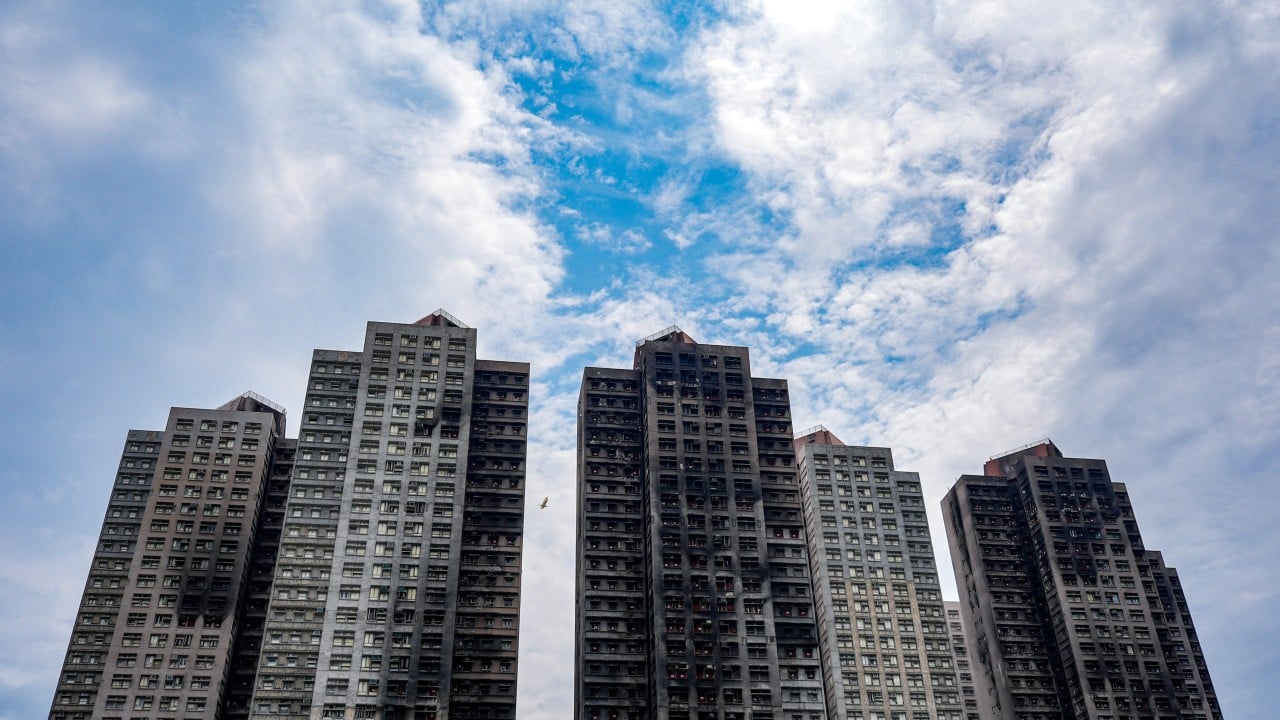
The tragic fire at Wang Fuk Court didn't just burn through eight residential blocks; it scorched the reputation of every government department tasked with keeping Hong Kong residents safe. If you've been following the public inquiry led by Judge David Lok, you know the testimony has been more than just tragic—it's been damning. We aren't just looking at a freak accident here. We’re looking at a systemic collapse where every single safety net failed at the exact same time.
The numbers are staggering. 168 people died in the November 2025 blaze. When the inquiry opened, Senior Counsel Victor Dawes didn't mince words. He pointed out that nearly every life-saving system meant to protect those people failed because of human error and sheer negligence.
The lethal combination of foam and nets
You might wonder how a fire at a single building spread to seven others in a matter of hours. The inquiry revealed a "chimney effect" created by the very materials meant to protect the building during its $336 million renovation.
Contractors had draped the towers in cheap, non-fire-retardant green netting. When a cigarette butt—likely tossed by a construction worker—ignited a lightwell on the first floor of Wang Cheong House, the netting acted like a fuse. But the nets weren't the only fuel. To make life easier for workers, they had sealed apartment windows with polystyrene foam boards.
Think about that for a second. Residents were literally shrink-wrapped inside flammable boxes. When the fire hit the exterior, the foam pulled the flames directly into the living rooms. The inquiry heard heart-wrenching testimony from Lee Chun Ho, who watched via FaceTime as his brother tried to keep their mother and 15-month-old niece from passing out. They couldn't see the fire coming because the foam blocked their view. They were trapped in a blind, burning furnace.
A six month blackout of safety systems
The most infuriating revelation is that the building was "dark" for months. The fire alarm system and the water hydrants were deactivated for over half a year before the fire even started.
- The Alarms: Property management had shut off the main power to the fire pumps. They said it was for "maintenance," but evidence suggests it was done so workers could move around without triggering sensors.
- The Water: Fire hoses were turned off for months, far beyond the 14-day legal limit.
- The Paperwork: A contractor reportedly applied for 16 separate extensions to keep the systems offline. They didn't even visit the site; they just processed the paperwork for a fee.
When the fire broke out at 2:33 p.m., no bells rang. Residents didn't know they were in danger until they smelled smoke or heard neighbors screaming. By then, the "chimney" was already roaring.
The "Not My Job" syndrome
The inquiry exposed a shocking "regulatory vacuum" where three major government bodies—the Labour Department, the Fire Services Department (FSD), and the Housing Bureau’s Independent Checking Unit (ICU)—all played a game of hot potato with resident complaints.
Residents had been screaming for help for over a year. They complained about workers smoking on the scaffolding. They complained about the flammable foam. What did the authorities do? The FSD said smoking was a Labour Department issue. The Labour Department said it was a fire ordinance issue and sent it back. The ICU said they couldn't prosecute because polystyrene was a "temporary" material.
It’s the classic bureaucratic trap. Everyone followed their specific handbook, but nobody looked at the big picture. Even worse, the ICU apparently gave the contractors a "heads-up" before inspections. This allowed the company to temporarily swap out the cheap netting for fire-rated stuff just long enough to pass the check. Once the inspectors left, the death traps went back up.
Accountability is the only way forward
This inquiry isn't just about finding out what happened—we already know it was a disaster. It's about whether Hong Kong is actually going to fix the "gray areas" that let 168 people die.
If you live in a complex undergoing renovation, you can't just trust that the green netting is safe or that the red "Power" light on your fire panel actually means the pumps are on.
- Demand Proof: If your building is being renovated, ask the Owners' Corporation for the fire-retardant certificates for the scaffolding materials. Don't take "it's up to code" for an answer.
- Check the Panels: Look at the fire alarm control panel in your lobby. If you see "Fault" or "Disabled" lights that stay on for weeks, start making noise.
- Document Everything: The Wang Fuk Court residents were ignored, but their documented complaints are now the primary evidence being used to nail the contractors in court.
The inquiry continues, and more heads will likely roll as the "WhatsApp" messages between subcontractors—where they openly discussed "coordinating statements" about the non-fire-retardant nets—are read into the record. Honestly, it's about time.