A phone call can change everything. For Maria Cornejo, that call brought devastating news about her son, Edwin Lopez-Cornejo. He was just 39 years old, locked away inside the Delaney Hall detention facility in Newark, New Jersey, when his body simply gave out.
Edwin had high blood pressure, diabetes, and epilepsy. He relied on daily medication to keep those conditions stable. But inside immigration detention, prescriptions don't always make it past the administration desk. The day before he died, Edwin called his mother in a panic. He told her the right side of his face and arm had gone completely numb. He knew something was terribly wrong. He asked for help, but the system looked the other way.
When families demand answers after a tragedy like this, they usually hit a brick wall of bureaucratic silence. Let's look at why these deaths keep happening and how accountability gets buried under official statements.
The Reality Behind Delaney Hall and Private Detention Centers
Delaney Hall isn't just a building. It's a flashpoint. Operated by the private prison contractor The GEO Group, this facility has faced intense scrutiny from activists, local politicians, and desperate families.
When someone dies in custody, Immigration and Customs Enforcement (ICE) almost always releases a predictable script. They claim the individual experienced an unexpected medical emergency. They insist that proper care was provided from the moment of intake.
Edwin's case follows this exact pattern. ICE stated that facility staff and medical personnel responded immediately when he suffered his medical emergency, calling 911 before he was rushed to University Hospital where he was pronounced dead.
His family isn't buying it. His 12-year-old daughter spoke publicly about how much weight he had lost inside, and how he had been repeatedly denied his essential medications. When chronic conditions like diabetes and hypertension are left unmanaged, a medical emergency isn't a surprise. It's an inevitability. Over 50 people have died in ICE custody nationwide since January 2025, pointing to a systemic failure rather than isolated medical incidents.
The Information Blackout
Getting clear records when a detainee dies is exhausting. Agencies frequently cite privacy rules, ongoing evaluations, or operational security to withhold autopsy reports and internal logs.
Transparency shouldn't require a congressional visit. New Jersey Representative Rob Menendez and other local leaders went straight to Delaney Hall to demand answers following Edwin's death. What they found was a wall of deflected responsibility between the federal agency and the private operator.
Worse still, policy shifts mean some deaths barely register on public dashboards. Advocacy groups have pointed out instances where detainees were granted sudden discretionary releases just hours before dying at an outside hospital, effectively scrubbing those casualties from official in-custody death counts.
What Actually Needs to Happen Now
If you want to understand how to push for accountability when a vulnerable person is trapped in the immigration system, you have to look past the press releases. Vague promises of internal reviews rarely lead to systemic reform.
Families and civil rights advocates are pushing for independent state-level investigations into private facilities like Delaney Hall. New Jersey Governor Mikie Sherrill publicly noted that state inspection efforts face continuous obstruction. When oversight is blocked, neglect thrives behind closed doors.
Demanding justice requires keeping pressure on elected officials, supporting legal aid organizations that file class-action lawsuits over medical negligence, and refusing to let these stories fade into the news cycle. Real change starts by shining a glaring light on the private contractors profiting from substandard detention conditions.
Inside the Delaney Hall ICE Death and Demands for Accountability
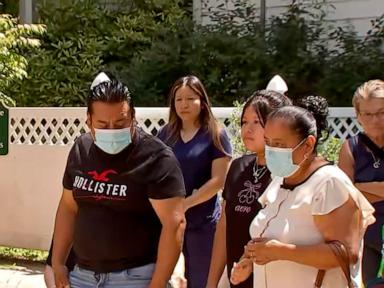
This video provides an on-the-ground look at the community response and political pressure surrounding the recent death in New Jersey immigration custody.