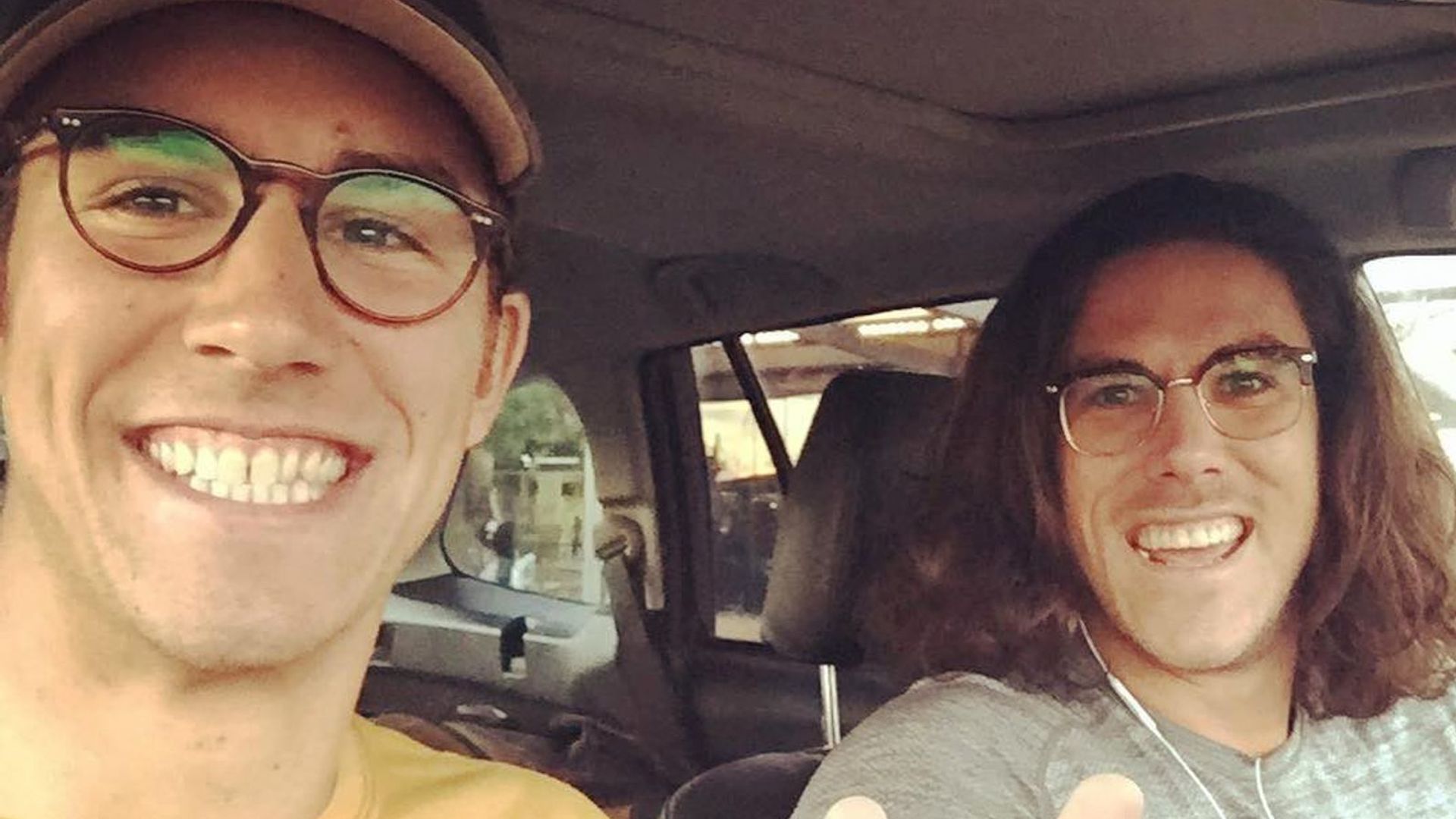
Three men were just handed prison sentences of 158 years and nine months each for killing two Australian brothers and an American surfer in Baja California. Let that sink in for a second. Not combined—each of them.
For anyone who follows surf travel or tracks safety along Mexico's Pacific coast, the verdict in Ensenada lands like a cold wave to the face. Jake and Callum Robinson, brothers from Perth aged 30 and 33, along with their friend Carter Rhoad, vanished in late April 2024 after camping near the coast south of Ensenada. Prosecutors laid out a brutal chain of events: an attempted robbery targeting tires and gear from their pickup truck, resistance, gunfire, and three bodies dropped into a hidden cliff-top well. When Judge Raul Hernandez sentenced the three convicted men—identified in court filings and reporting as Jesus Gerardo (known as "El Kekas"), Irineo Francisco, and Angel Jesus—to more than a century and a half behind bars apiece, the legal chapter closed, yet the bigger questions around coastal safety and remote travel stayed wide open.
So why do surfers keep packing boardbags for Baja anyway? Honestly, because the coast isn't a monolith, and reducing an entire peninsula to a single nightmare misses how surf travel actually works on the ground.
What the Baja Surfer Sentencing Actually Means
A sentence of 158 years and nine months per defendant sends a loud signal from a state court in Baja California. Convictions for aggravated homicide, robbery with violence, and vehicle theft with violence carried heavy weight here, especially after a month-long trial that drew Martin and Debra Robinson all the way from Western Australia to the courtroom in Ensenada while other relatives watched by video link. Earlier, in November 2025, another woman linked to the case—Silva Raya, whom authorities tied to a victim's stolen phone and who admitted involvement in the robbery—received a 20-year sentence in a separate proceeding.
Still, a stiff sentence doesn't erase what happened on April 27, 2024, or how long it took to find the victims. Investigators had to search a remote area where a well was covered with boards and nearly invisible from the outside, eventually pulling out four bodies—including one that had been there much longer—with state prosecutor María Elena Andrade noting potential links to an earlier killing without additional charges filed.
From a practical standpoint, here's what this ruling changes and what it doesn't:
- Accountability happened, even across borders: Families traveled thousands of miles and saw a judge impose severe terms for premeditated violence. That matters to travelers who fear cases involving foreigners simply vanish into bureaucratic silence.
- Opportunistic crime still thrives in isolation: Prosecutors pointed to a robbery over truck parts and gear rather than a targeted cartel hit. Remote beaches with zero cell service and sparse traffic create temptation for local predators.
- One verdict isn't a magic shield: Convicting three men—and jailing an accomplice earlier—won't automatically patrol every dirt road between Ensenada and San Quintín.
Why Remote Surf Missions Carry Different Risks Than Resort Towns
Ask ten seasoned Baja surfers about safety and you'll usually hear a distinction that casual news summaries gloss over. Popular surf hubs with established camps, regular patrols, and steady local commerce feel worlds apart from an empty point break ten miles down a washboard track.
That doesn't mean established spots are risk-free. A surfers' leader told Al Jazeera after the tragedy that visitor numbers around Ensenada took a sharp hit, and anyone who has driven Highway 1 knows how fast moods and conditions can shift. Worse, this isn't the first time foreign surfers have been killed along Mexico's Pacific side; two Australian surfers, Dean Lucas and Adam Coleman, were murdered in Sinaloa back in 2015 during a road trip, with their bodies burned.
"There can never be justice for the loss of a son, but we are grateful that these men will never hurt anyone else," Page Rhoad said after the sentencing, capturing a grief that no legal formula can fix.
In real-world surf travel, the biggest mistake people make isn't crossing the border—it's treating Baja like California with cheaper tacos. Out there, self-reliance cuts both ways. A flat tire or dead battery in a remote cove isn't just an annoyance; it can leave you stranded and vulnerable after dark. And flashing high-value gear or camping completely alone out of sight from everyone is a choice most experienced travelers avoid.
Debating Safety, Tourism, and Real-World Precautions
Is Baja safe for surfers? Ask two people and you'll get two honest, sharply different answers. One surfer will point to decades of friendly locals, world-class swell, and hundreds of smooth trips. Another will point to the 2024 killings near Punta San Jose, the 2015 deaths in Sinaloa, and regional crime headlines, arguing the risk isn't worth it.
Both sides have evidence on their side, and pretending the debate is settled would be dishonest. Travel advisories from governments like the U.S. State Department and Australia's Smartraveller regularly urge caution in parts of Mexico, weighing violent crime against regional differences. Meanwhile, local communities and surf operators rely heavily on tourism dollars and have a strong stake in keeping visitors safe, even as state authorities wrestle with deeper security challenges.
If you're weighing a trip south—or trying to make smarter calls on a coast you already love—skip vague platitudes and focus on concrete habits:
- Check official advisories right before you go: Look up current guidance from your own government (such as U.S. State Department travel advisories or Australia's Smartraveller) for Baja California and neighboring states, paying attention to specific municipalities rather than broad rumors.
- Avoid isolated solo camping: Don't pitch a tent at a deserted beach miles off the main road with no neighbors, no operator oversight, and no reception.
- Keep a low profile with vehicles and gear: Drive unflashy vehicles, keep valuables out of sight, and avoid leaving trucks unattended in secluded spots.
- Share live check-ins and drive by daylight: Stick to daytime driving on unfamiliar roads, leave a clear itinerary with someone you trust, and carry a satellite communicator if you're heading off-grid.
Justice in court doesn't bring back Jake Robinson, Callum Robinson, or Carter Rhoad. What it does give travelers is clarity: the law came down hard in Ensenada, yet smart planning on the coast remains non-negotiable.
Mexican judge sentences three men to 158 years in prison for murders of Australian and US surfers
ABC News coverage of the 158-year prison sentences in the surfers' murders
This video report summarizes the Ensenada court sentencing and highlights the emotional toll on the victims' families following the 2024 killings.