We used to worry about the power grid failing in January. A massive freeze hits, everyone turns up the electric heating, and transformers blow under the strain of dark, icy nights.
That dynamic is officially dead.
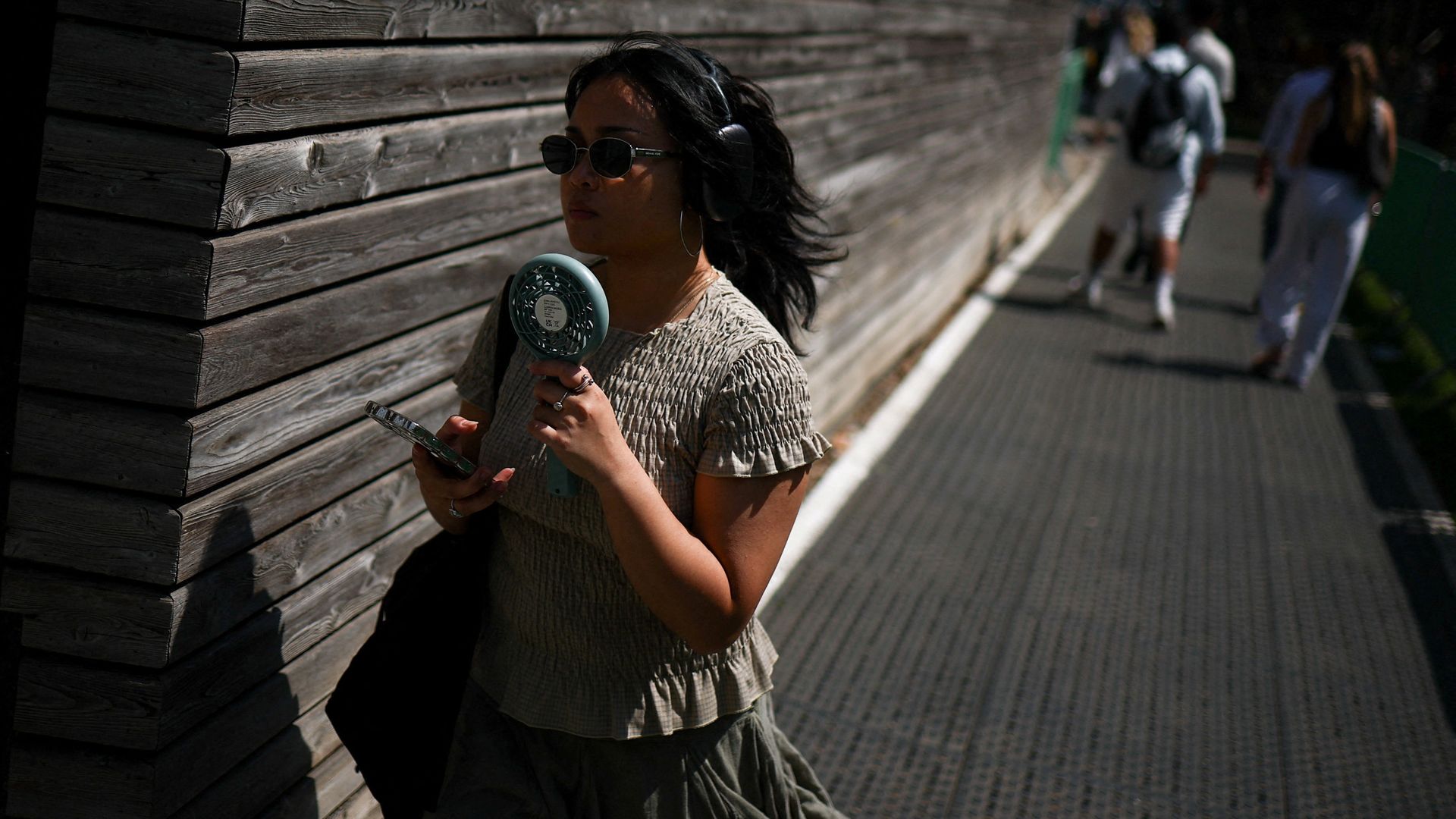
Britain's National Energy System Operator (NESO) just issued an emergency electricity margin notice. This marks the third time this summer that the grid operator had to practically beg energy companies to generate more juice. This isn't happening during a winter blizzard, but during a scorching July heatwave with European temperatures climbing past 40°C and UK peaks pushing toward 36°C.
If you think a summer power crisis doesn't make sense because we aren't running heavy heating systems, you're missing the bigger picture. Extreme heat cripples infrastructure in ways most people don't realize.
The Hidden Science of How Heat Breeds Blackouts
When temperatures rocket, everyone switches on air conditioning units and desk fans. Demand spikes, which is obvious enough. But the real crisis hides on the supply side.
Power plants are fundamentally massive thermodynamic machines that rely on a temperature differential to create electricity. When the ambient air and local water sources get too hot, the whole system loses efficiency.
- Nuclear and Gas Plants Slow Down: Conventional power stations rely heavily on cool water from rivers or the sea to condense steam. When water temperatures rise, these plants must legally and mechanically dial back their output to avoid overheating or violating environmental thermal limits.
- Solar Panels Lose Efficiency: It sounds backward, but intense heatwaves actually hurt solar power production. Standard photovoltaic panels operate best around 25°C. For every degree above that, their efficiency drops.
- Interconnectors Strangle Supply: The UK relies heavily on underwater cables to pull excess power from mainland Europe. But when France and the rest of the continent are baking under the same heat dome, they don't have spare power to send. Everyone clings to their own reserves.
Throw in a high-pressure weather system—which usually accompanies these heatwaves—and wind generation completely drops off. You get a perfect storm of soaring demand, dying wind, and throttled power plants.
Why Grid Warnings Aren't a Reason to Panic Yet
An electricity margin notice sounds terrifying, like someone is about to pull the master breaker on your neighborhood. Honestly, it's a routine operational tool, not a countdown to a blackout.
Think of it as a defensive buffer. The grid operator isn't saying the lights will go out; they're telling the market that the safety cushion between supply and demand is too thin for comfort. By issuing the notice, they essentially offer to pay top dollar to anyone who can fire up extra generation or cut back commercial usage during the peak 6:30 PM to 10:30 PM window.
In fact, the previous two notices issued in June were cancelled before the deadline because the market responded and stabilized the system. The system works exactly as designed, but the frequency of these alerts tells us our buffer is shrinking faster than we're upgrading the system.
What You Can Actually Do to Protect Your Home
You don't need to sit in the dark to help ease the strain, but a few deliberate adjustments during peak evening hours make a genuine difference to local grid stability.
Pre-Cool Your Living Space
Don't wait until 6:00 PM to crank the AC or fans to the maximum setting. Run your cooling systems earlier in the afternoon when solar production is at its peak and the grid has breathing room. Once the evening peak hits, close the blinds and let the trapped cool air carry you through.
Shift Your Appliance Usage
The period between 6:30 PM and 10:30 PM is when domestic demand collides with falling solar generation. Postpone running the dishwasher, washing machine, or tumble dryer until late at night or early morning. Better yet, use the delay-start timer on your appliances to run them while you sleep.
Unplug Idle Electronics
Widespread vampire draw from TVs, gaming consoles, and desktop computers adds unnecessary heat and load to your home environment. Turn them off at the wall when they're not in use to reduce both your electric bill and local transformer stress.
The era of worrying about the grid only when it snows is over. As summers get hotter, managing your energy footprint when the sun goes down is just part of living with a modern climate.