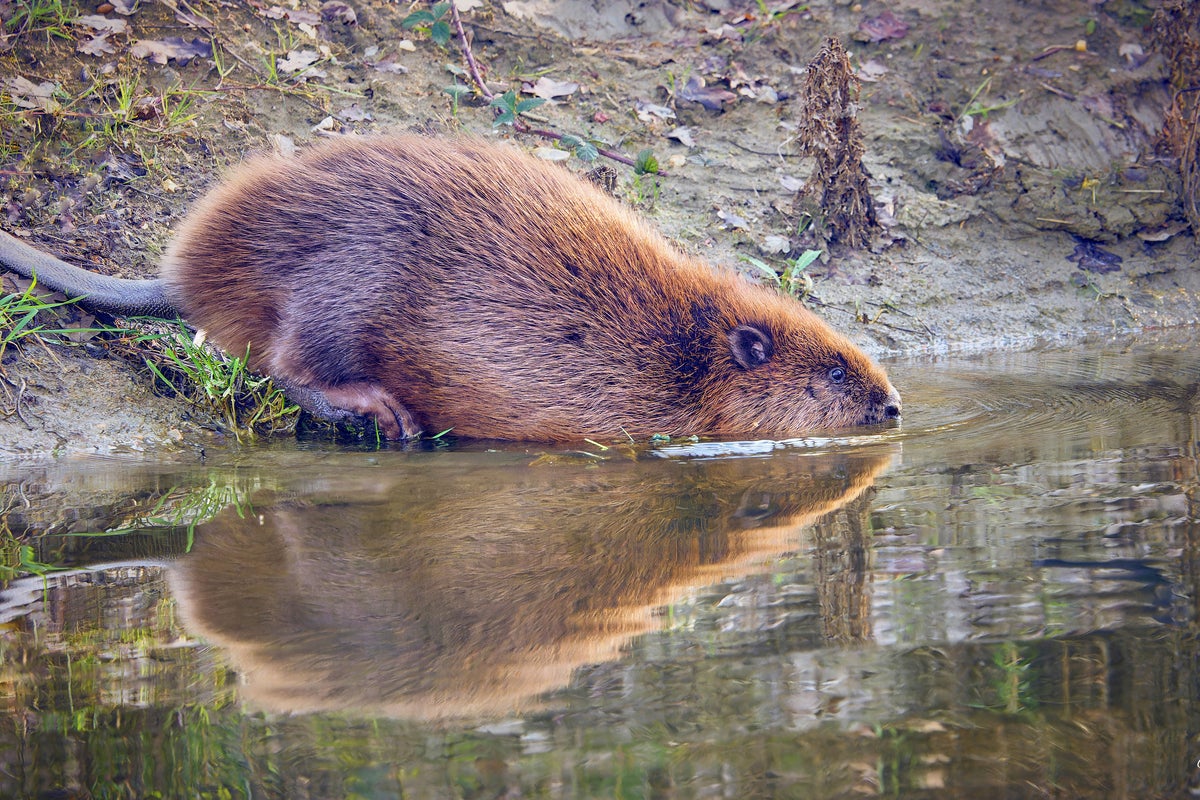
Suburban lakes are supposed to be peaceful oases. You buy a home in a manicured community, expect a nice water view, and maybe plant some expensive lakeside ornamental shrubs. Then, the ecosystem does what ecosystems do.
Right now, the Deer Lake subdivision in Alpharetta, Georgia is ground zero for a classic suburban standoff. On one side, you have a homeowners' association trying to protect its high-end landscaping from being turned into literal wood chips. On the other side, you have furious residents watching neighborhood kids find drowned, dead native animals in traps while walking down to the community lake.
It's messy. It's emotional. Honestly, it's also a masterclass in how not to handle wildlife management.
When your neighborhood lake turns into a battleground, the reflex is usually to declare war on the wildlife. But as the brewing crisis in Alpharetta shows, wiping out the local beaver population is a short-sighted band-aid that usually creates more problems than it solves.
The Alpharetta Beaver Trap Backlash
The friction in the Deer Lake community started when the HOA board quietly voted to deal with a growing beaver problem. The rodents were doing what they evolved to do: gnawing through tree trunks, cutting down valuable neighborhood shrubs, and building dams.
The board's fix was immediate and lethal. They hired wildlife trappers to set underwater body-gripping traps.
The backlash was instant. Residents like Allison Manning reported that children heading down to the water for a summer fishing trip were instead greeted by the sight of dead beavers floating in the lake. For many families, the neighborhood Facebook page exploded with condemnation. Residents like Liliana Rodriguez and Daniel Walsh went public, arguing that killing native wildlife simply to preserve cosmetic landscaping is inherently wrong.
But the HOA hit back with a cold, hard dose of bureaucratic reality.
In a letter sent to the community, the board revealed they had actually contacted more than ten wildlife trappers across North Georgia to find a humane relocation strategy. The answer they got across the board was a definitive no.
The Myth of Easy Wildlife Relocation
When people see a nuisance animal, the natural response is always, "Why can't we just move them somewhere else?" It sounds like a win-win. The homeowner gets their yard back, and the animal gets a new home in the woods.
In the state of Georgia, it doesn't work that way.
The Georgia Department of Natural Resources has incredibly strict rules regarding the movement of wildlife. Because beavers are legally classified as nuisance animals, you cannot simply dump them on state-owned land, inside state parks, or within wildlife management areas. The law dictates that a trapped beaver can only be released on private property if the trapper secures explicit, written permission from the landowner.
Good luck finding a private landowner who wants a family of industrial-grade wood-choppers dropped onto their property to flood their timberland or block their drainage ditches.
Because nobody wants to inherit someone else's headache, relocation is functionally impossible in Georgia. If a professional wildlife control operator traps a beaver, state law basically ensures that euthanasia is the only legal end game.
Why Lethal Trapping Is a Temporary Illusion
Let's look at this from a purely practical, cost-benefit angle. Say you don't mind the ethical implications. You just want the trees protected. Even then, lethal trapping is a losing game.
Beavers are highly territorial. If you have a lake with a stable food supply and perfect conditions for a lodge, it's premium real estate. When you trap and kill the resident beaver family, you create a biological vacuum.
Within months, dynamic younger beavers from connected waterways or nearby creeks will notice the vacant territory. They move right in. The cycle repeats, your HOA dues keep going toward recurring trapper fees, and your landscaping gets chewed anyway. You haven't fixed the problem; you've just created a permanent line item on the community budget for animal extermination.
Real Coexistence Tools That Actually Work
If trapping doesn't work long-term and relocation is illegal, homeowners are left wondering what they can actually do. True property protection requires stopping the damage, not trying to fight a losing war against natural biology.
Experienced land managers use targeted, physical exclusion methods that allow the animals to exist without ruining the human infrastructure.
Tree Wrapping and Sand Paint
Beavers have specialized, continuously growing teeth that require hard wood to wear down. They hate biting into metal or abrasive textures. Wrapping vulnerable lakeside trees with a heavy-gauge, 3-foot-high welded wire mesh prevents them from ever touching the bark. Another highly effective trick used by parks departments is painting tree trunks with a mixture of exterior latex paint and coarse mason sand. The grit ruins their teeth, so they move on to less important vegetation.
Pond Levelers and Beaver Baffles
The real threat to neighborhood infrastructure isn't just the loss of a few shrubs; it's the flooding caused by dams. When a beaver hears running water, it triggers an instinctual urge to build.
Instead of tearing down the dam—which the beavers will completely rebuild overnight—smart communities install a device called a pond leveler or a "beaver baffler." This is a specialized PVC pipe system routed directly through the center of the dam. The intake pipe is placed far away from the dam structure in deep water, hidden inside a protective cage.
The water drains quietly through the pipe, keeping the lake at a safe, predetermined level. Because the beavers can't hear or feel the water flow at the intake site, they don't try to clog it. You keep your lake level stable, prevent property flooding, and the beavers get to stay without causing damage.
How to Handle Wildlife Panic in Your Community
If your neighborhood is currently dealing with its own wildlife dispute, the absolute worst thing your leadership can do is make a unilateral decision behind closed doors. Sneaking traps into a communal space always backfires.
Take a breath and step back. Before approving an expensive, short-term trapping contract, demand an open assessment of physical exclusion tools. Look at the long-term cost of wrapping high-value trees versus the infinite loop of paying a trapper every time a new animal moves into the lake.
Real property management means outsmarting the problem, not turning your community lake into a traumatic scene for the local kids. Protecting your landscaping and respecting local wildlife don't have to be mutually exclusive goals. It just requires a little more strategy than a metal trap.
The video from 11Alive News covers the immediate local reaction and emotional impact on the Alpharetta neighbors dealing with the HOA's beaver trapping program.