The issuance of elevated travel restrictions and security directives by United States diplomatic missions across the Gulf cooperation zone establishes a clear baseline for regional operational risk. Transgressions against critical civil aviation hubs and energy infrastructure inside Saudi Arabia by Yemen-aligned Houthi forces have compressed the margin of error for civilian transit corridors. This dynamic shifts the analytical framework from localized perimeter defense to systemic vulnerability mapping across the Arabian Peninsula.
The Vector Calculus of Cross-Border Projectiles
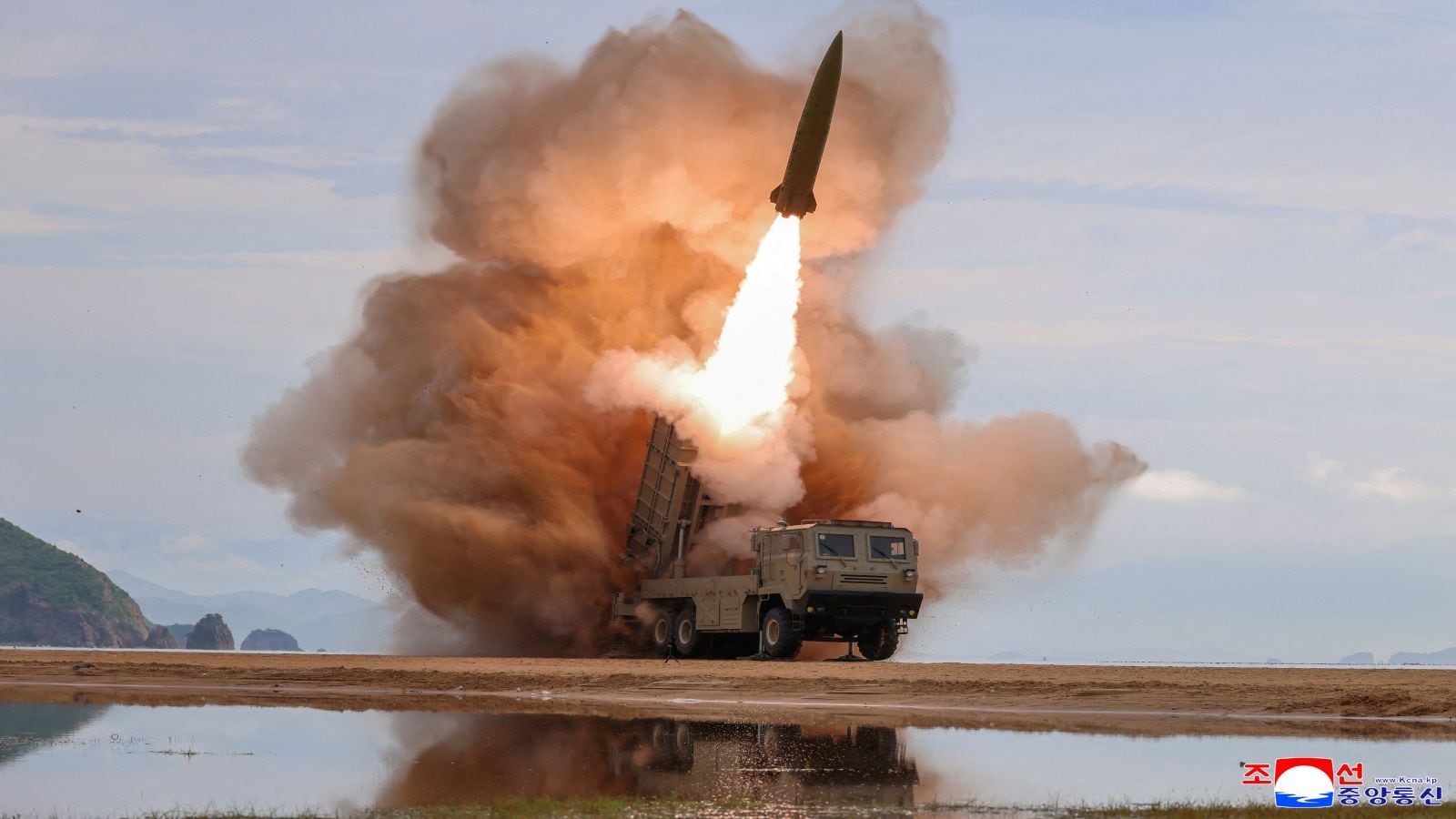
Modern air defense architectures operating within the Gulf theater face a complex intercept geometry. The deployment of uncrewed aerial vehicles and ballistic assets against urban centers and hydrocarbon processing nodes creates an asymmetrical cost function. Defensive batteries rely on high-cost kinetic interceptors to neutralize low-cost propulsion platforms, forcing a financial and logistical drain on defensive coalitions. If you found value in this article, you might want to read: this related article.
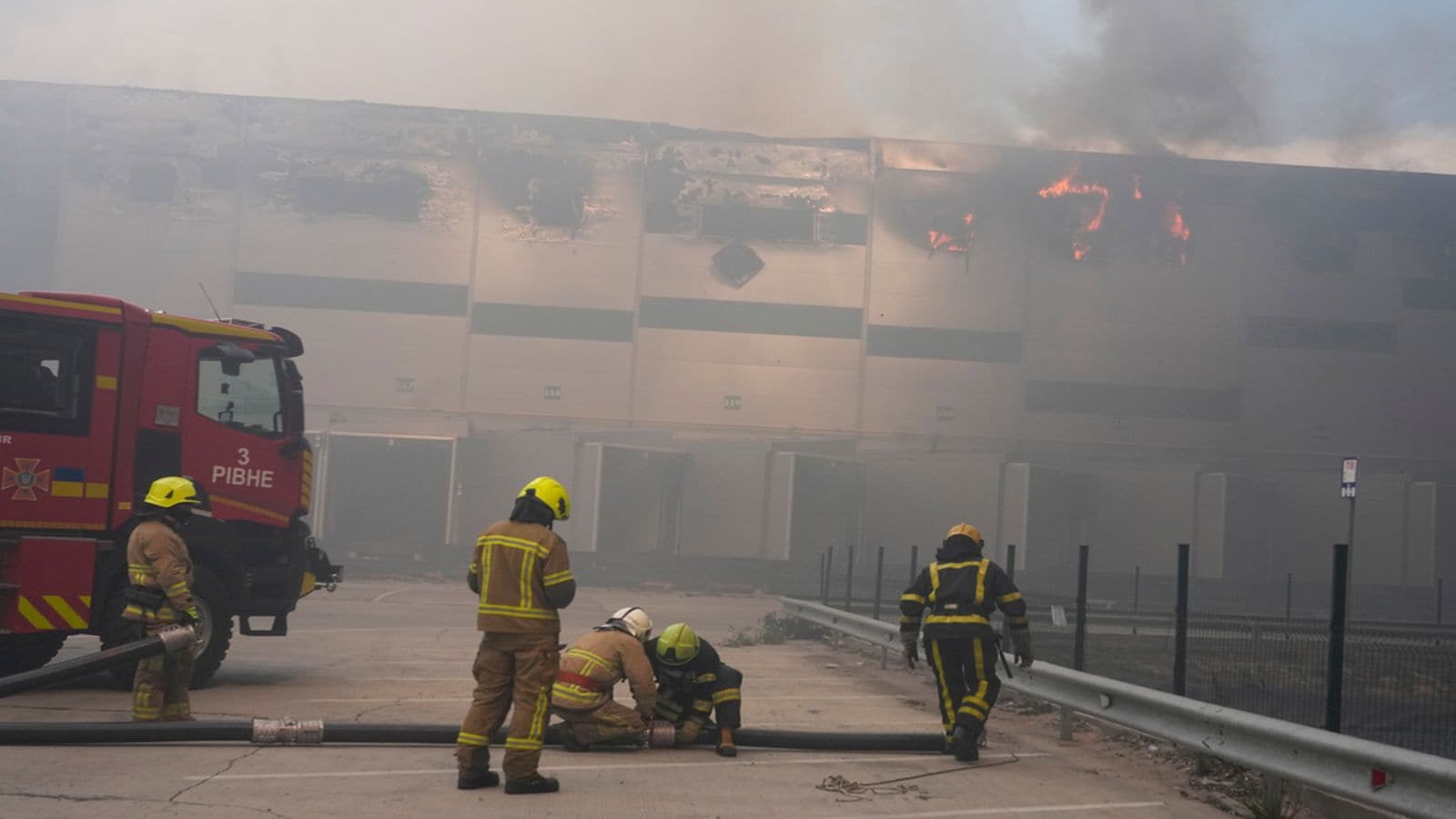
When debris fields from intercepted munitions impact populated environments or civil aviation zones, the secondary hazard profile escalates. The primary risk variable is no longer direct kinetic payload delivery alone, but the kinetic scatter and structural compromise of civilian infrastructure. This environment alters the risk premium for commercial transit networks, triggering rapid adjustments in airspace management and ground handling security.
The Operational Bottlenecks in Civil Aviation and Transit
The operational integrity of regional transport nodes depends on continuous, predictable capacity utilization. When security alerts mandate heightened vigilance at civilian airports, the friction coefficient of transit increases through several distinct mechanisms: For another angle on this development, see the recent update from BBC News.
- Airspace buffer expansion alters flight trajectories, extending transit times and increasing fuel burn tolerances.
- Ground handling verifications introduce delays, compounding turnaround times for international carriers.
- Contingency rerouting strains regional air traffic control capacity during high-threat windows.
These operational constraints introduce structural unpredictability. Corporate mobility management must account for sudden schedule collapses and the suspension of non-essential diplomatic or commercial movement, particularly when consular directives mandate the departure of non-emergency personnel.
The Regulatory and Compliance Friction Matrix
Operating inside high-risk geopolitical zones requires adherence to stringent compliance frameworks. Host-state authorities maintain rigid protocols regarding information control and airspace security.
- Digital Documentation Restrictions: Local legal codes criminalize the recording, photographing, or digital dissemination of military interceptions, impact sites, or security infrastructure. Compliance violations carry severe detention risks for foreign nationals.
- Consular Mobility Thresholds: Diplomatic missions frequently enforce geographic exclusion zones, barring personnel from traveling within specified perimeters of international borders or critical energy installations.
- Jurisdictional Divergence: Discrepancies between official host-state security updates and foreign consular threat assessments force organizations to execute independent risk evaluations.
Strategic Operational Forecast
Organizations maintaining physical assets or human capital within the affected theater must decouple their contingency planning from short-term diplomatic reassurances. The persistence of cross-border strike capabilities ensures that baseline operational volatility will remain elevated.
Corporate resilience strategies must prioritize decentralized decision-making protocols, real-time telemetry tracking for personnel movements, and pre-engineered evacuation pathways that bypass primary civil aviation hubs vulnerable to rapid airspace closures. Risk mitigation in this theater requires treating sporadic infrastructure targeting not as anomalous events, but as a permanent structural condition of the operating environment.